Hire or use AI? Four ideas to help you decide.
Four Insights from Korva on where help is needed, what is worth doing, and how to test your next move.
1. Find where the work is waiting
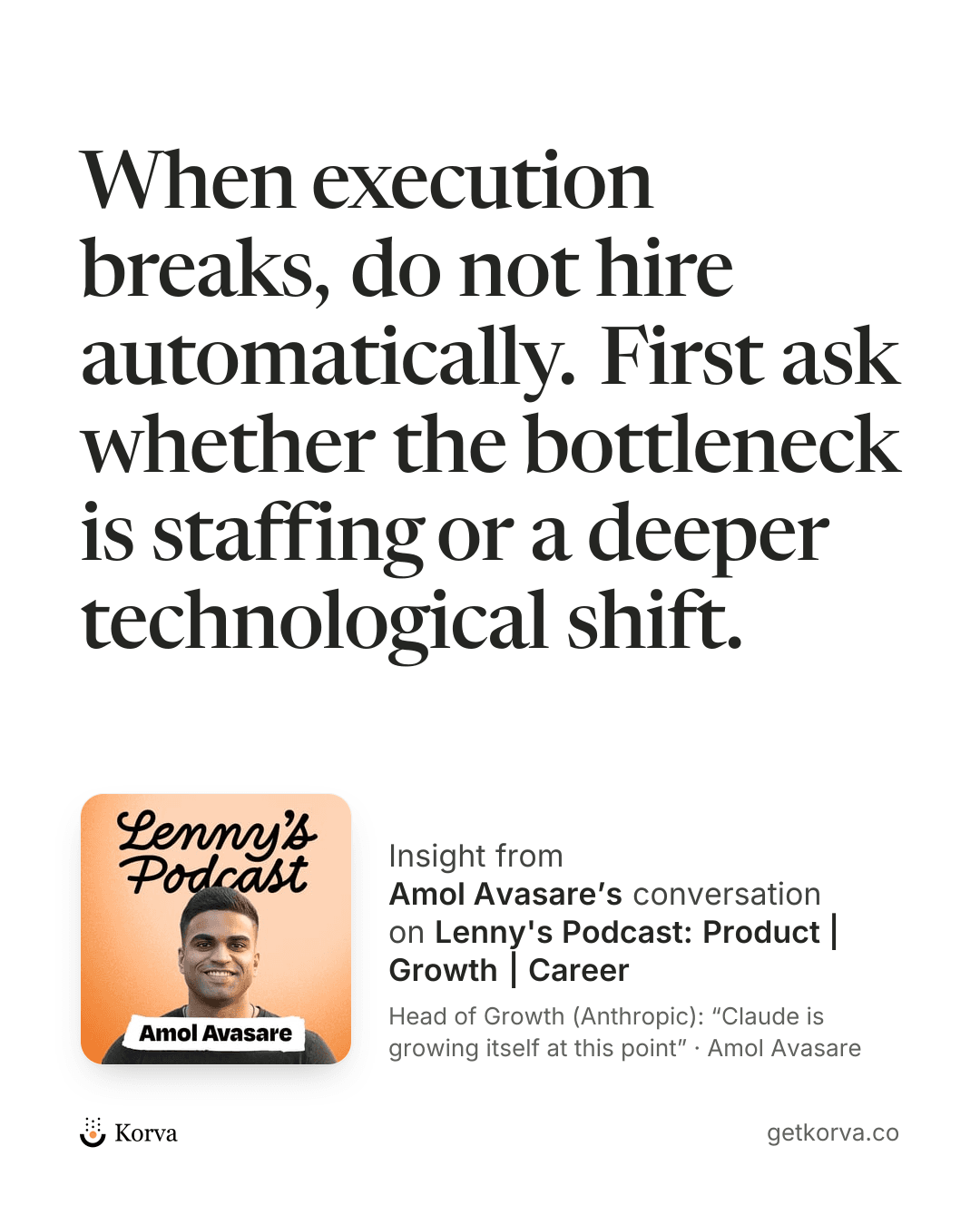
Before hiring or adding an AI tool, look at where work stops. Is someone needed to do the task, make a decision, or coordinate the next step? The answer helps you choose what kind of help to add.
At Anthropic, faster engineering left product management and design struggling to keep pace. For projects needing two weeks of engineering or less, product-minded engineers took on the product manager’s coordination work, including talking to legal, security, and other teams. Product managers stayed available to advise and remained responsible for larger projects. The company also planned to hire more product managers: faster coding had changed where people were needed.
2. Check whether the work needs doing

Before adding capacity, review the work you want it for. Which tasks or features are essential, and which could be dropped? An AI tool might make the backlog faster to build, but deciding what belongs in the product still needs attention.
Basecamp’s appeal is that it is simple to use. David Heinemeier Hansson, co-owner of 37signals, the company behind Basecamp, had just ten hours a week to build its first version. That constraint forced the team to focus. Years later, AI let designers take features almost to completion before the team questioned whether they belonged. The concern was that adding them would make Basecamp harder to use, weakening the reason customers chose it.
3. Look for a tool people choose to use
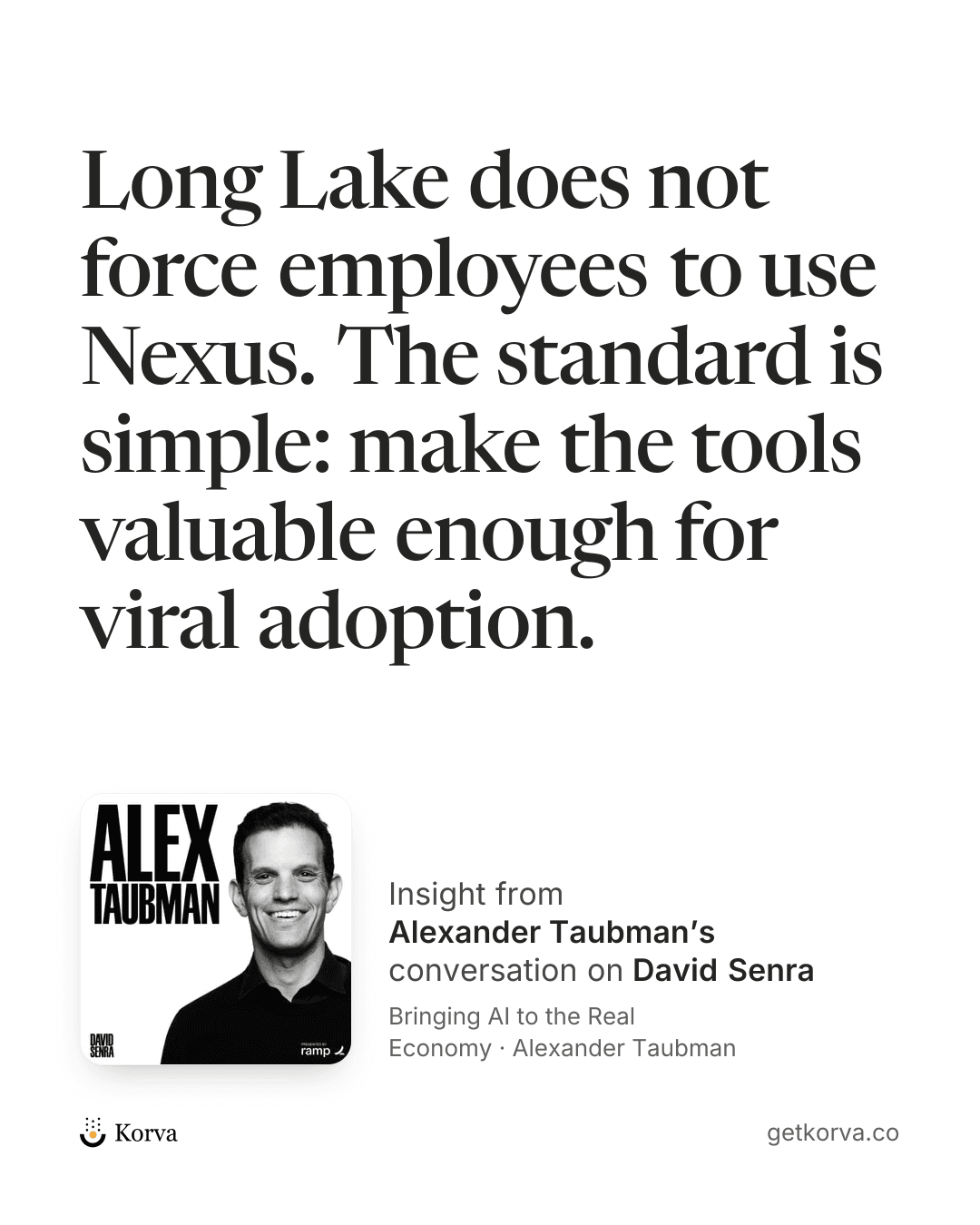
When trying an AI tool, look beyond what it can produce. Does it save effort once people have supplied the inputs, checked the result, and corrected mistakes? Whether they keep choosing to use it is a useful signal.
At Long Lake, Nexus is an AI platform built for the company’s operating businesses. Engineers work alongside employees to understand their tasks and the systems they rely on. In property management, for example, Nexus can prepare an email reply using information about vendors, prices, and schedules, leaving the manager to review and edit it. Employees are not required to use it; the team works on making it useful enough that they want to.
4. Test before making a bigger commitment
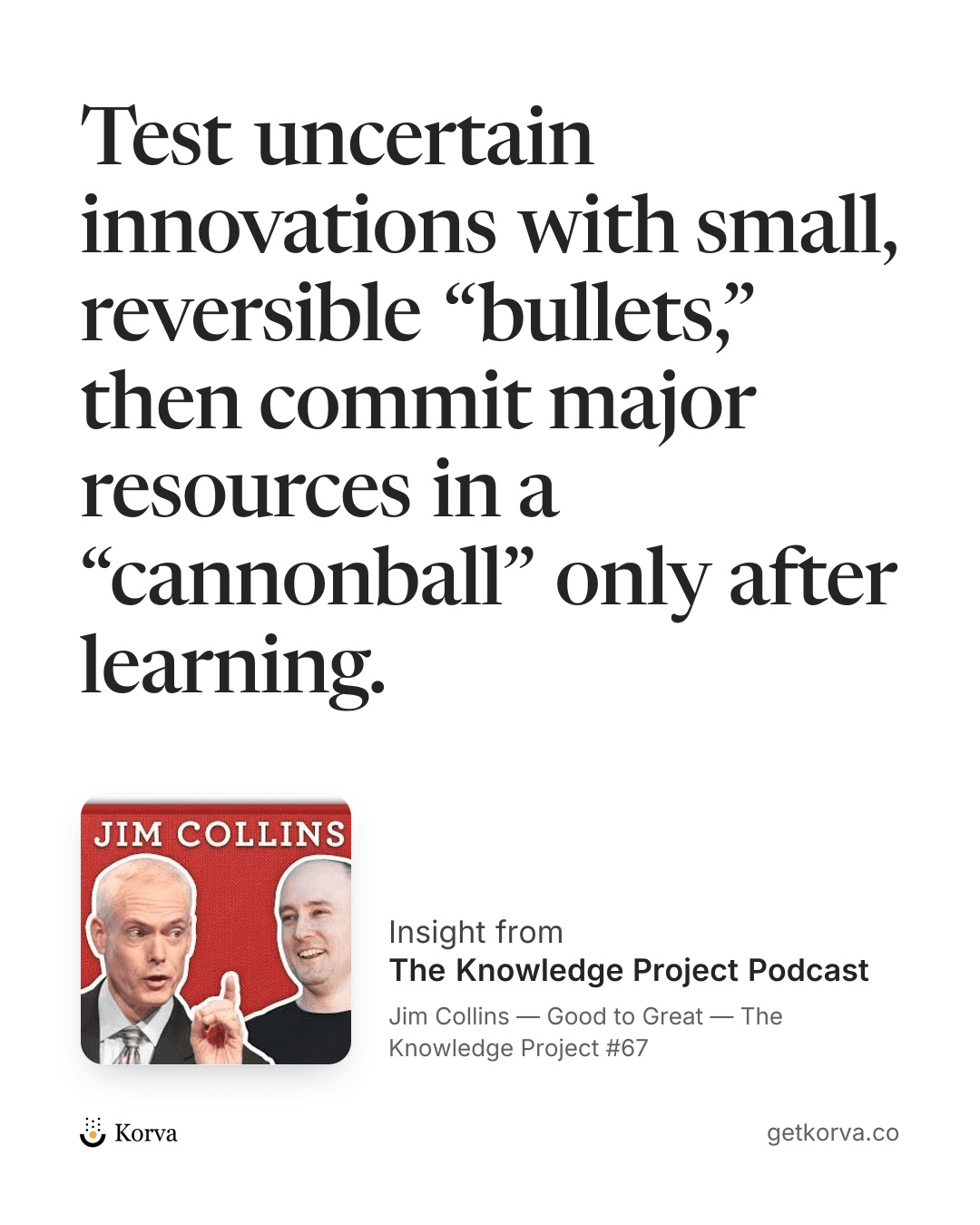
Start with one recurring piece of work. Compare the time and quality of the result, including setup and review. Decide what improvement would justify using the tool more widely, and what work would still need a person.
Jim Collins’s “bullets, then cannonballs” approach separates a small experiment from a large commitment. The experiment limits cost, risk, and distraction, but still needs to be done well. Otherwise, a disappointing result leaves you unsure whether the idea failed or the test was poorly executed. The point is to learn enough from actual use to decide where a bigger investment is justified, rather than committing on the strength of a promising demonstration.