K
Korva
™
Board
Food Science
Food
·
20 insights
·
0 followers
@food
Naturally fatty meat supplies its own thermal interface: rendered fat lets the meat fry in it.
Adam Ragusea
Why we cook food in oil
Go deeper ✨
@food
Cooking oils approach 400°F/200°C before breaking down. Water reaches only 212°F/100°C before becoming steam.
Adam Ragusea
Why we cook food in oil
Go deeper ✨
@food
Oil improves some roasted foods’ appearance and texture without greatly changing their overall browning.
Adam Ragusea
Why we cook food in oil
Go deeper ✨
@food
In a 400°F oven, oiling food does not necessarily create much more surface browning.
Adam Ragusea
Why we cook food in oil
Go deeper ✨
@food
Roasting oil barely changed beef’s appearance, but made chicken skin look somewhat better.
Adam Ragusea
Why we cook food in oil
Go deeper ✨
@food
Duck breast cooks successfully in a cold dry pan, while less fatty chicken thigh can overcook and undercook simultaneously.
Adam Ragusea
Why we cook food in oil
Go deeper ✨
@food
Dry-pan naan-style bread browns in patches and tastes breadlike. Oil creates broad golden browning and a fried flavor.
Adam Ragusea
Why we cook food in oil
Go deeper ✨
@food
A dry pan browns only where food touches metal. Oil spreads heat, creating generalized golden browning.
Adam Ragusea
Why we cook food in oil
Go deeper ✨
@food
Brussels sprouts cooked without oil took nearly twice as long, stayed hard inside, and tasted worse.
Adam Ragusea
Why we cook food in oil
Go deeper ✨
@food
Oil reaches upward from the pan bottom, heating food that never touches metal and broadening browning.
Adam Ragusea
Why we cook food in oil
Go deeper ✨
@food
Oil does more than prevent sticking: it fills gaps between pan and food, transferring heat across more surface.
Adam Ragusea
Why we cook food in oil
Go deeper ✨
@food
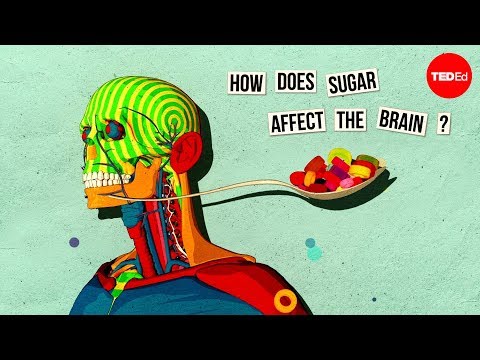
A sweet taste signal travels from your taste receptors through the brain stem and cerebral cortex into the brain’s reward system.
TED-Ed
How sugar affects the brain - Nicole Avena
Go deeper ✨
@food
The brain seeks dietary variety to detect spoiled food and improve the odds of getting every nutrient it needs.
TED-Ed
How sugar affects the brain - Nicole Avena
Go deeper ✨
@food
Sugar releases dopamine, an unusual response among foods. Alcohol, nicotine, and heroin trigger it more violently, while broccoli does not.
TED-Ed
How sugar affects the brain - Nicole Avena
Go deeper ✨
@food
The brain’s reward system makes experiences feel rewarding and subconsciously evaluates whether food, socializing, sex, or drugs should be repeated.
TED-Ed
How sugar affects the brain - Nicole Avena
Go deeper ✨
@food
Unlike ordinary food, excessive sugar can keep producing a strong dopamine response, encouraging continued consumption like a drug.
TED-Ed
How sugar affects the brain - Nicole Avena
Go deeper ✨
@food
Sugar receptors in your gut, separate from taste buds, signal fullness and help regulate insulin when sugar arrives.
TED-Ed
How sugar affects the brain - Nicole Avena
Go deeper ✨
@food
Eat the same food repeatedly and dopamine spikes shrink. The brain prioritizes novel tastes.
TED-Ed
How sugar affects the brain - Nicole Avena
Go deeper ✨
@food
Overactivating sugar’s reward system can trigger loss of control, cravings, and increased tolerance to sugar.
TED-Ed
How sugar affects the brain - Nicole Avena
Go deeper ✨
@food
Overconsuming sugar can affect the brain in addictive ways, but an occasional cake is unlikely to cause harm.
TED-Ed
How sugar affects the brain - Nicole Avena
Go deeper ✨
Keep what matters
Save insights to your own Boards and return to them anytime.
Create your Korva account