Insight by Food
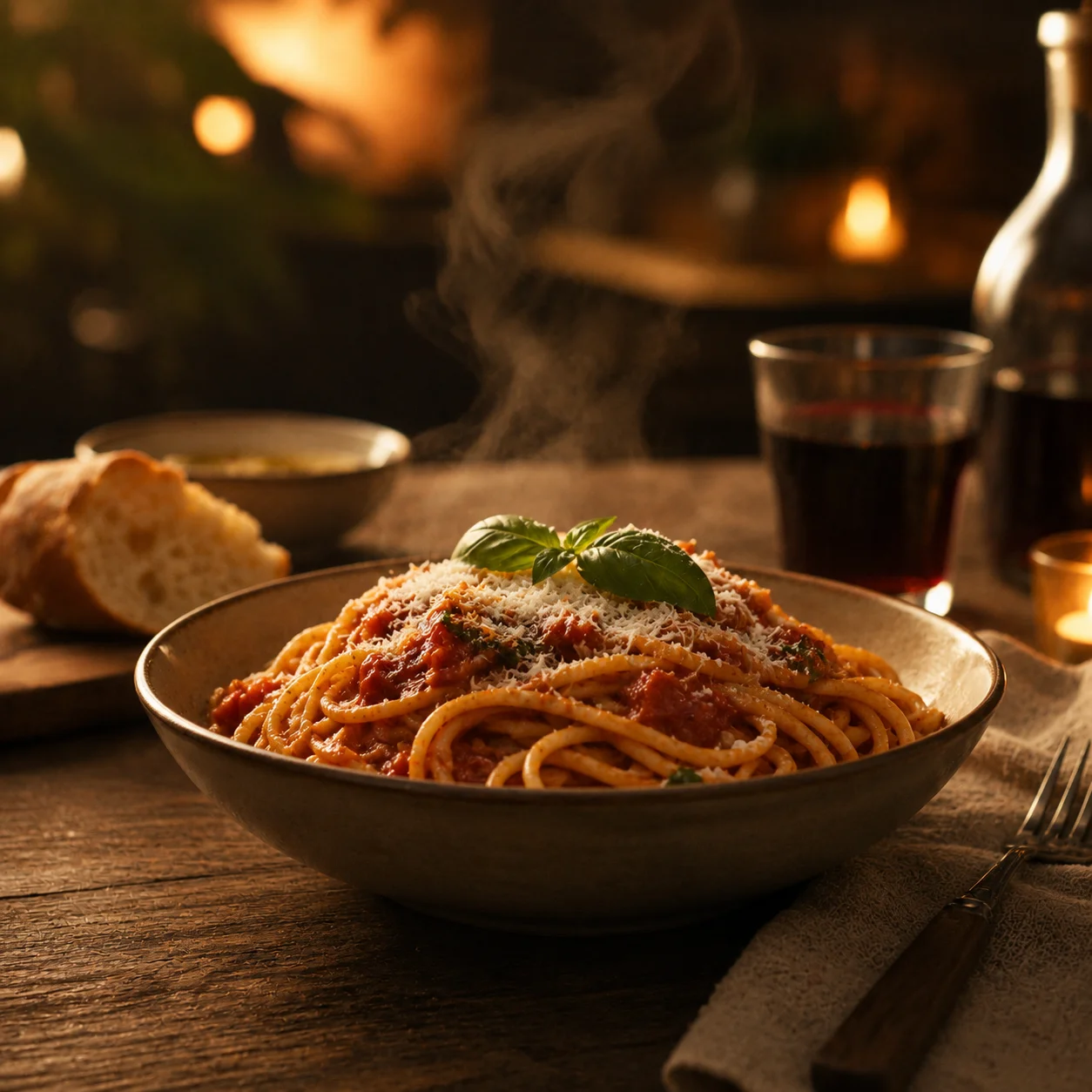
Around 310°F, amino acids and reducing sugars undergo Maillard reactions that form heterocyclic (ring-like) compounds, which change surface color and produce volatile molecules responsible for browned, savory flavors.
Want more like this?
Every card on Korva is an insight someone saved from a podcast or video they loved.
More from @food's Picks
See all →When consumed in large amounts, sugar can prevent the normal habituation of dopamine response, so continued high dopamine release sustains reward and incentive to keep consuming similarly to addictive drugs.
Commercial flocks are highly vulnerable to disease because genetic uniformity removes variation in resistance, so a single introduced pathogen can spread across nearly all birds instead of being limited by naturally resistant individuals.
Dopamine produces stronger motivational effects in brain 'hotspots' because dopamine receptors are unevenly clustered across forebrain regions, so release in dense receptor areas is amplified and more strongly drives behavior.