Baking soda reacts with acids in cookie dough, producing carbon dioxide that creates airy pockets.
Baking soda reacts with acids in cookie dough, producing carbon dioxide that creates airy pockets.
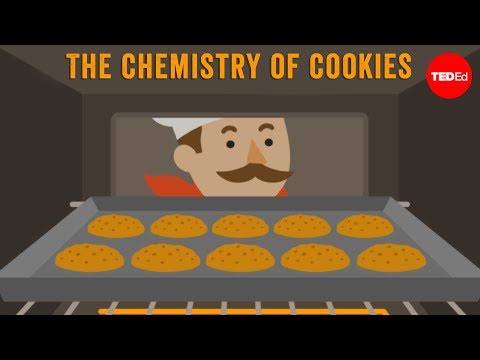
More from this video
See all →A 350°F oven is below caramelization’s starting point: sugar caramelization begins at 356°F and…
 @food
@foodAt 92°F, butter melts, releasing water that turns to steam and pushes cookie dough outward.
@foodAt 144°F, egg proteins unfold and tangle into a nearly solid network, giving cookie dough its…
@foodBake around 310°F for a barely browned cookie. Higher heat produces deeper browning, with…
@foodAt 310°F, Maillard reactions rearrange proteins and sugars into browned compounds, flavors, and…
@foodAt 212°F, boiling water escapes cookie dough as steam, leaving airy pockets that make the finished…
@foodCaramelization breaks sugar molecules apart, creating the sweet, nutty, slightly bitter compounds…
@foodDon't lose this one
A free account saves insights like this to your Boards, and Korva resurfaces them so you actually remember.