Korva is a scroll of the internet’s best ideas.
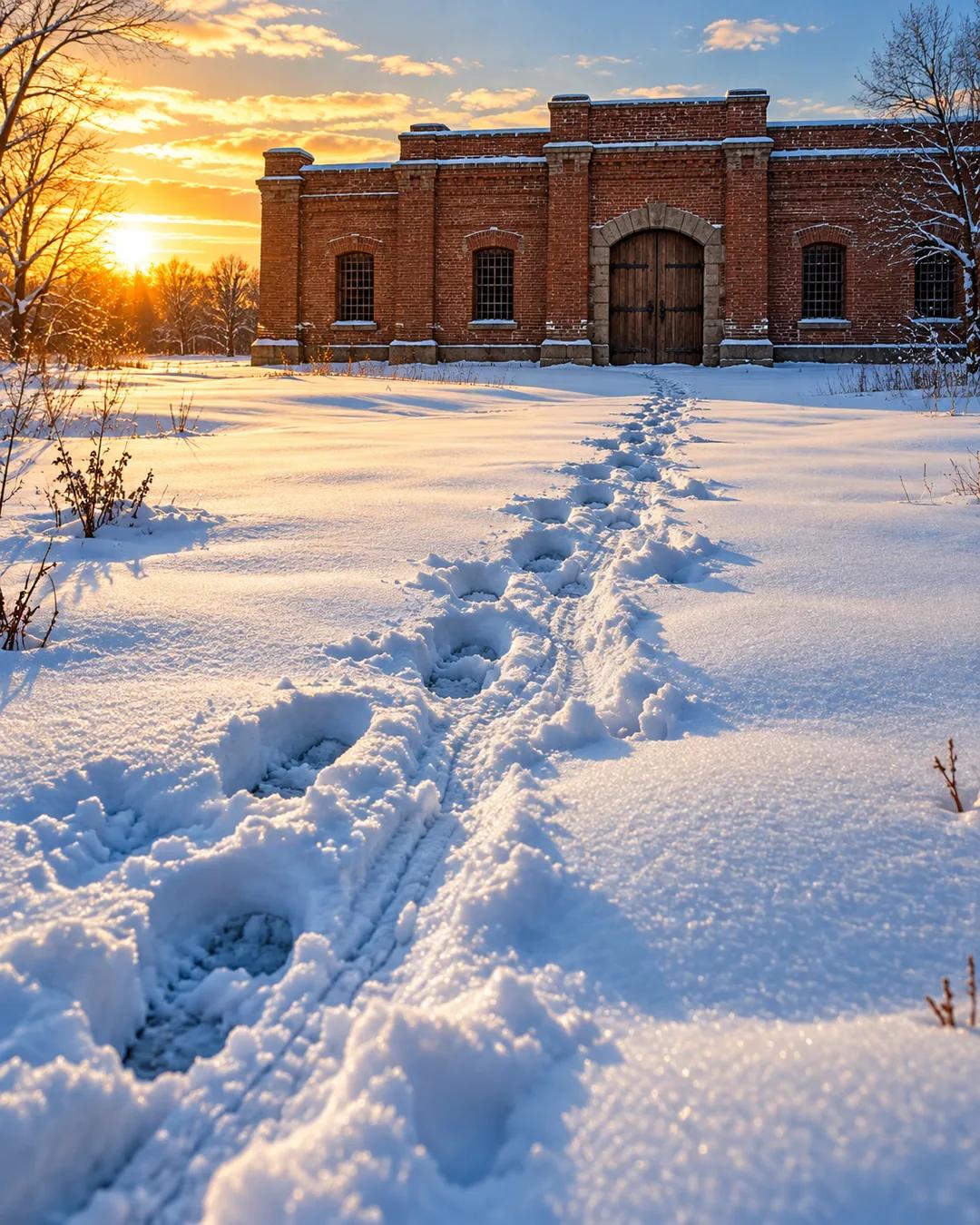
1,000 farmers marched on an armory
Why the farmers marched
Their leader, Daniel Shays, had fought at Bunker Hill, Saratoga, and Stony Point, and George Washington had personally picked him to guard Major John Andre before the British officer's hanging. Congress paid him in nearly worthless IOU certificates. Then Massachusetts raised taxes and demanded payment in coin, and the courts began foreclosing on farmers who had none. Shays sold the sword Lafayette had given him.
The fight at Springfield
At Springfield, the armory was guarded by the state militia under General William Shepard, because Congress had neither the troops nor the money to send any. Shepard's messengers told the farmers to disperse, and the farmers kept coming in columns. Two cannon shots went over their heads. The 400 old soldiers at the front quickened to a trot.
Shepard lowered the cannon to waist height, and an unseen howitzer fired grapeshot. Three farmers died on the spot, a fourth died later, and the rest broke and retreated through the snow.
The aftermath
The rebellion fell apart soon after, and Governor John Hancock secured pardons for its chief instigators, Shays included. Across the 13 states, Americans were terrified: farmers had attacked a federal arsenal, and only Massachusetts had been able to deal with it. That fear made states willing to hand Congress real power, and it led straight to the convention in Philadelphia.
Why did coin-only taxes crush farmers?
Hard money was scarce in postwar Massachusetts, partly because trade with Britain had drained coin out of the country. Farmers mostly lived on credit and barter, so a tax bill due in coin forced them to sell crops and land at distress prices. Courts then seized property from those who could not pay, and many farmers faced debtors' prison as well. By the winter of 1786, mobs had shut down county courts across western Massachusetts to stop the foreclosures.
Why couldn't Congress send troops itself?
Under the Articles of Confederation, Congress could request money from the states but had no power to tax them. The Continental Army had been largely disbanded after the war, and by 1786 the standing force was only a few hundred men. Congress did authorize raising additional troops that year, but the states sent too little money to fund them. Massachusetts ended up paying for its own militia with loans from wealthy Boston merchants.
How did the rebellion change Washington's mind?
Washington had retired to Mount Vernon in 1783 and was reluctant to return to public life. News of the uprising alarmed him, and he wrote to friends including Henry Knox and James Madison that it showed the weakness of the existing government. Madison and others used the episode to argue that the Philadelphia convention needed him. Washington agreed to attend and was unanimously chosen to preside.
More from History That Doesn't Suck