Korva is a scroll of the internet’s best ideas.
100,000 riders, no infantry
Small and Loyal
That army would have fit in a stadium. It worked because of loyalty and organization. The smallest unit was a squad of ten with a leader in total control, and every member knew the others would protect him and that nobody gets left behind. A man could obey his leader knowing the leader was risking his own life for him too.
Everything Carried
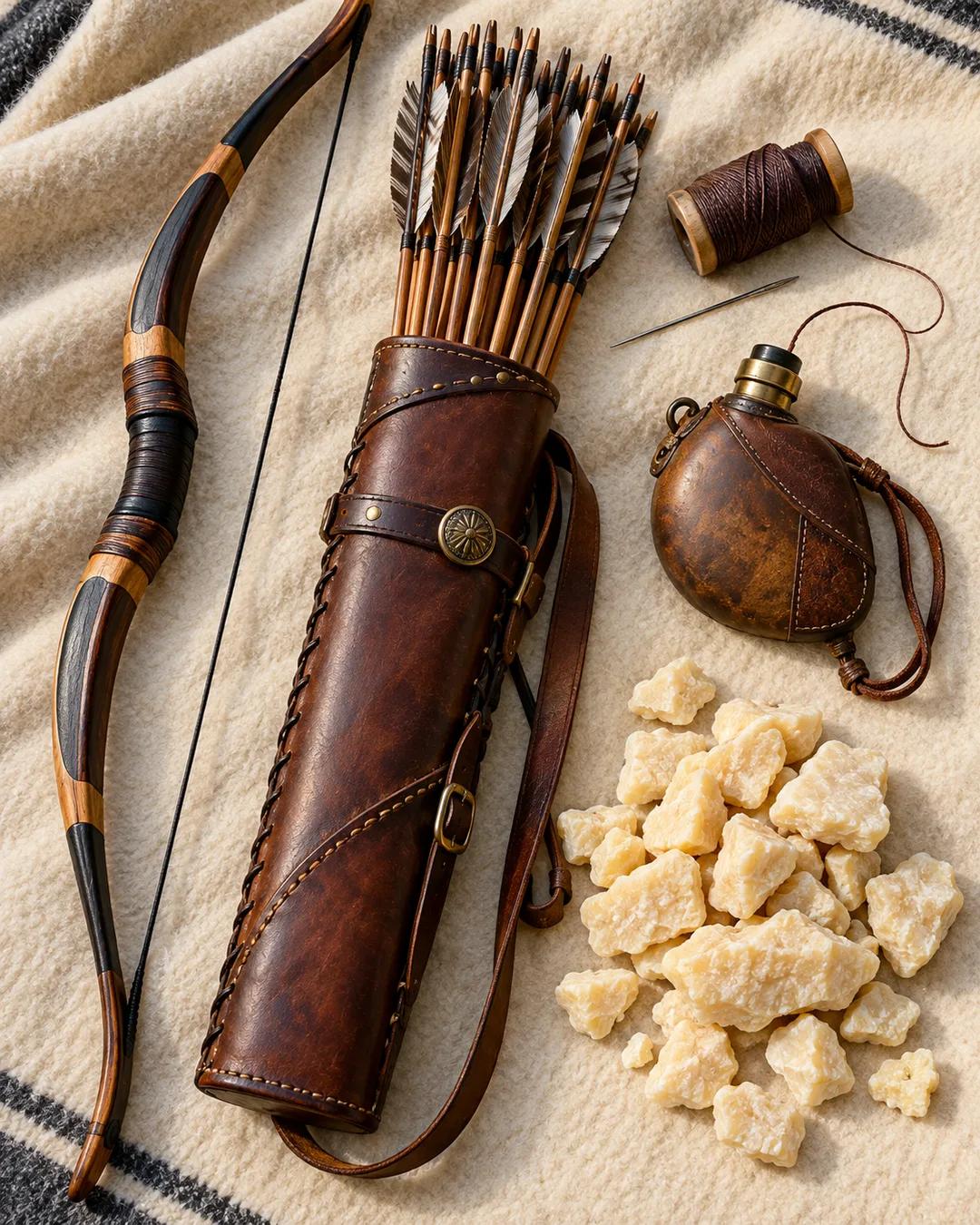
Each man carried everything himself, with five horses, a bow, and as many arrows as he could gather, enemy arrows included. Mongols could shoot Russian arrows, but Russians could not fit Mongol arrows to their bows. Every soldier also carried needle and thread to sew up a torn garment or a wound, and dried curd, which turned into thick protein in a flask of water jostled all day on horseback. Mongols could go three to five days without lighting a fire.
Wings and Vanguard
The army formed a left wing in the east, a right wing in the west, and a center made up of his bodyguard unit. A vanguard sometimes went out as much as two years ahead to scare people off and leave the grass for the army's horses. They never marched in single file; each horse had its own path in long parallel lines.
How did the Mongols organize their army by tens?
The army was built on a decimal system. Ten men formed an arban, ten arbans a jaghun of one hundred, ten jaghuns a mingghan of one thousand, and ten mingghans a tumen of ten thousand. Each unit had a commander who answered to the one above. The system let Genghis Khan pass orders quickly across a large army.
What made Mongol horses suited to long campaigns?
Mongol horses are small and stocky, and they live outdoors all year. They graze on steppe grass and can paw through snow to reach it, so an army needed no grain. Each rider led spare horses and switched mounts through the day. That let a column cover long distances without stopping to rest the animals.
How did orders travel across the empire?
The Mongols ran a relay courier system called the yam. Stations stood along the main routes at intervals of tens of miles, each stocked with fresh horses and food. A rider carrying a message changed horses at every station and rode day and night. Couriers wore bells so that the next station would have a horse ready.
More from Lex Fridman Podcast