Korva is a scroll of the internet’s best ideas.
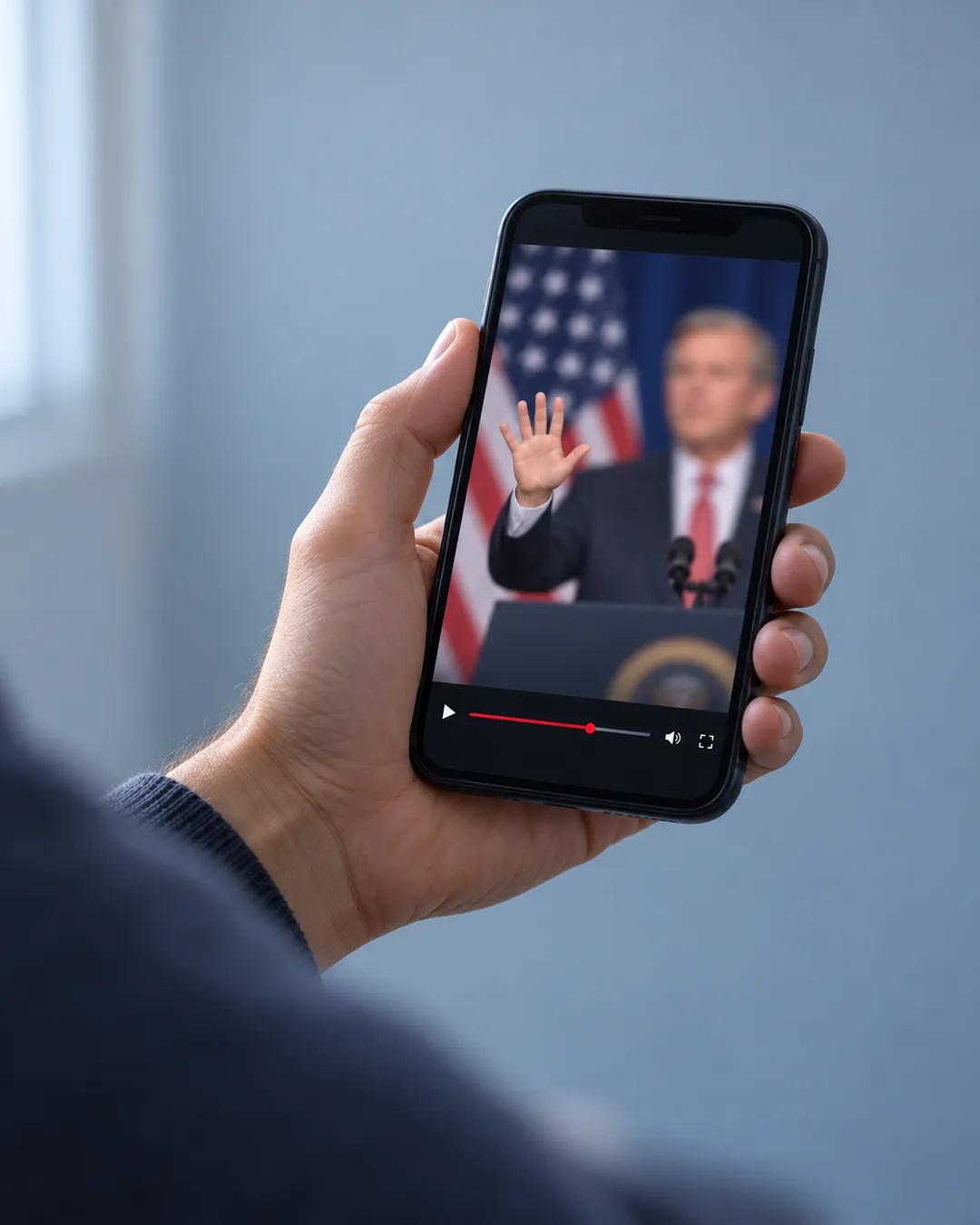
$140 million on AI-made political ads
The AI tweaks range from small, innocuous edits to full-on deepfakes of prominent Democratic politicians, including New York Mayor Zohran Mamdani and Democrats in tight Senate races.
One ad from the group Make Oklahoma Great Again showed a fake clip of a Democratic candidate hugging and holding hands with Hillary Clinton. Another ad showed an AI version of Michigan's Democratic Senate candidate, Abdul El-Sayed, laughing at cards that read Death to America and Celebrate 9/11.
More than 80% of the ads were produced by Republicans or groups that back the GOP. The researchers suggested that Democrats have used AI much less because their supporters are more critical of the technology.
The head of the Wesleyan Media Project said there are likely many more AI-powered ads than the researchers found, especially because most don't have a disclaimer identifying them as AI-generated. Many lawmakers have been working to push for more transparency, but 20 states have no laws requiring AI disclosures for political ads.
How do deepfakes get made so easily?
Face-swap and video-generation tools learn a person's appearance from many images and clips. Public figures have hours of footage online, which gives the software plenty of material. Voice cloning works the same way and can need only a short audio sample. In January 2024, a robocall using an AI-cloned voice of President Biden urged New Hampshire voters to skip their primary, and the FCC ruled the following month that AI-generated voices in robocalls fall under existing rules.
Why do AI disclosure rules differ by state?
US elections are run largely by the states, so each legislature writes its own rules for political ads. Texas and California passed early laws on election deepfakes in 2019. Those laws focus on altered videos meant to deceive voters shortly before an election. Courts weigh such laws against First Amendment protections for political speech.
How does the Wesleyan Media Project track ads?
The project, based at Wesleyan University in Connecticut, studies political advertising on television and, in recent years, online. It relies on data from ad-tracking firms that record when and where ads air. Researchers code each ad for details such as the sponsor, the topic, and the tone. The project grew out of the Wisconsin Advertising Project, which began tracking political ads in the 1990s.
More from The Headlines