Korva is a scroll of the internet’s best ideas.
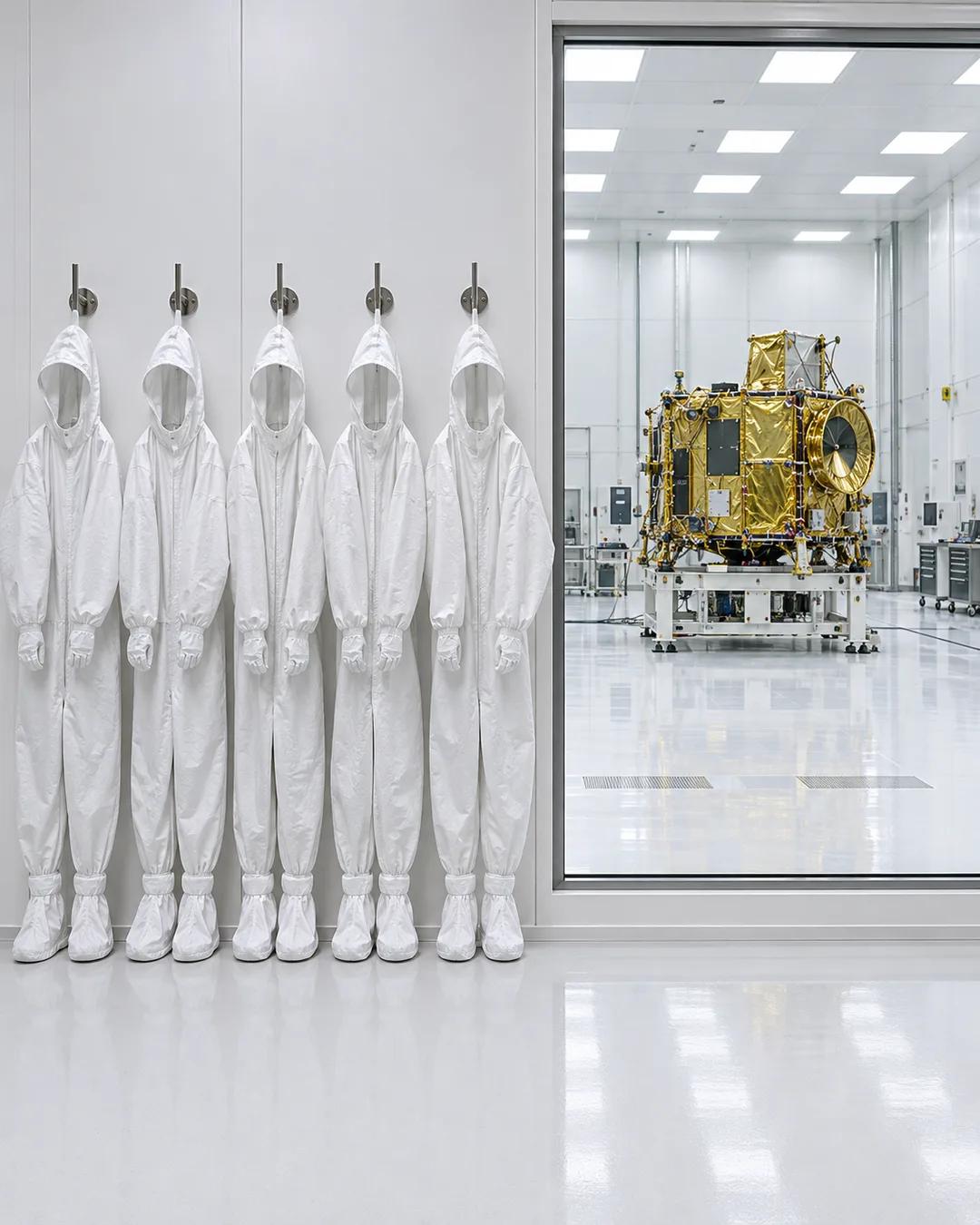
2001's future has almost no bodies
A Bodiless Future
Otherwise the people are asexual and barely biological, and the future is designed from the ground up with no thought for what it is to be a living body. Clean room space flight is the closest real match: visitors to the clean rooms at JPL put on a full gown and cap so they don't shed skin on an interplanetary spacecraft.
The Lived-In Look
Films after it went the other way. Starting with Trumbull's own Silent Running, and showing up in Alien and Blade Runner, the future looked lived in, with Pontiacs and jet cars, and toggle switches beside touch screens. It no longer looked as if everything had been designed in the same lab at the same time. Alien's old monitors and switches fit a working industrial setting, where miners aren't handed the best tech.
Psychology Arrives
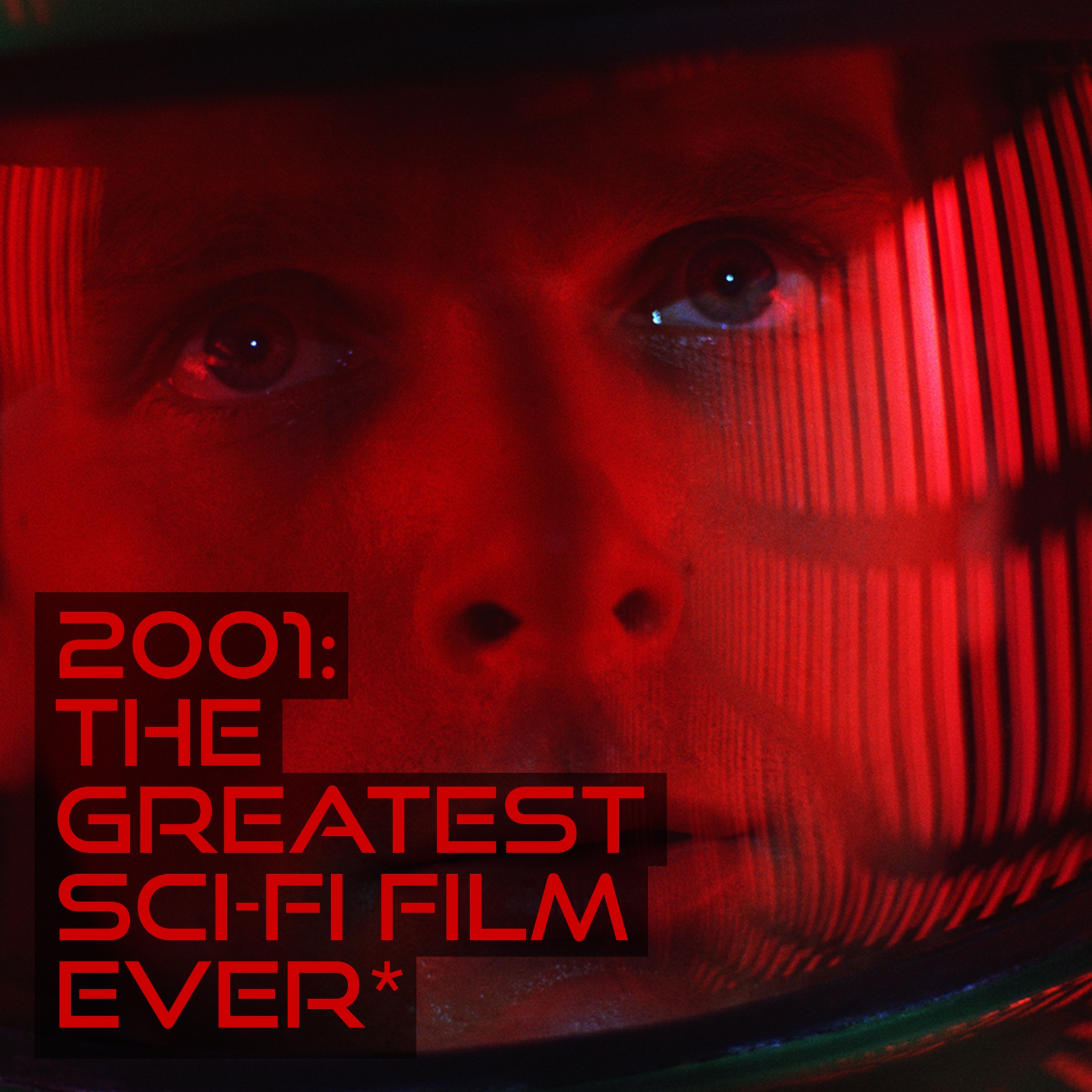
Once futures had to hold people breathing, working, living, and dying, better directors, screenwriters, and actors mattered to science fiction. One reading puts 2001 as the last of the pre-psychological science fiction films, with HAL as the exception.
Why do clean rooms demand full gowns?
People shed skin cells, hair, and dust constantly, and a single particle can foul a camera lens or a sensor on a spacecraft. Missions bound for other worlds also have to avoid carrying Earth microbes with them. Spacecraft parts are assembled in rooms where the air is filtered and the number of particles per cubic foot is limited. Article IX of the 1967 Outer Space Treaty requires states to avoid harmful contamination of celestial bodies.
Why did Alien show blue-collar space crews?
The crew of the Nostromo in Alien works on a commercial towing ship hauling a load of mineral ore. They argue about pay and bonus shares like any crew on a freighter. Director Ridley Scott and screenwriter Dan O'Bannon built the ship as a cluttered working vessel rather than a gleaming one. Alien came out in 1979 and won the Academy Award for Best Visual Effects.
How did Blade Runner build its crowded future?
Director Ridley Scott wanted a city where new technology was layered over old buildings, and much of the film was shot on sets built on the Warner Bros. lot in Burbank. Lawrence G. Paull led the production design. Syd Mead, an industrial designer, created the film's flying police cars and other vehicles. Mead also designed vehicles for Tron, which came out the same year.
More from Every Single Sci-Fi Film Ever*