Korva is a scroll of the internet’s best ideas.
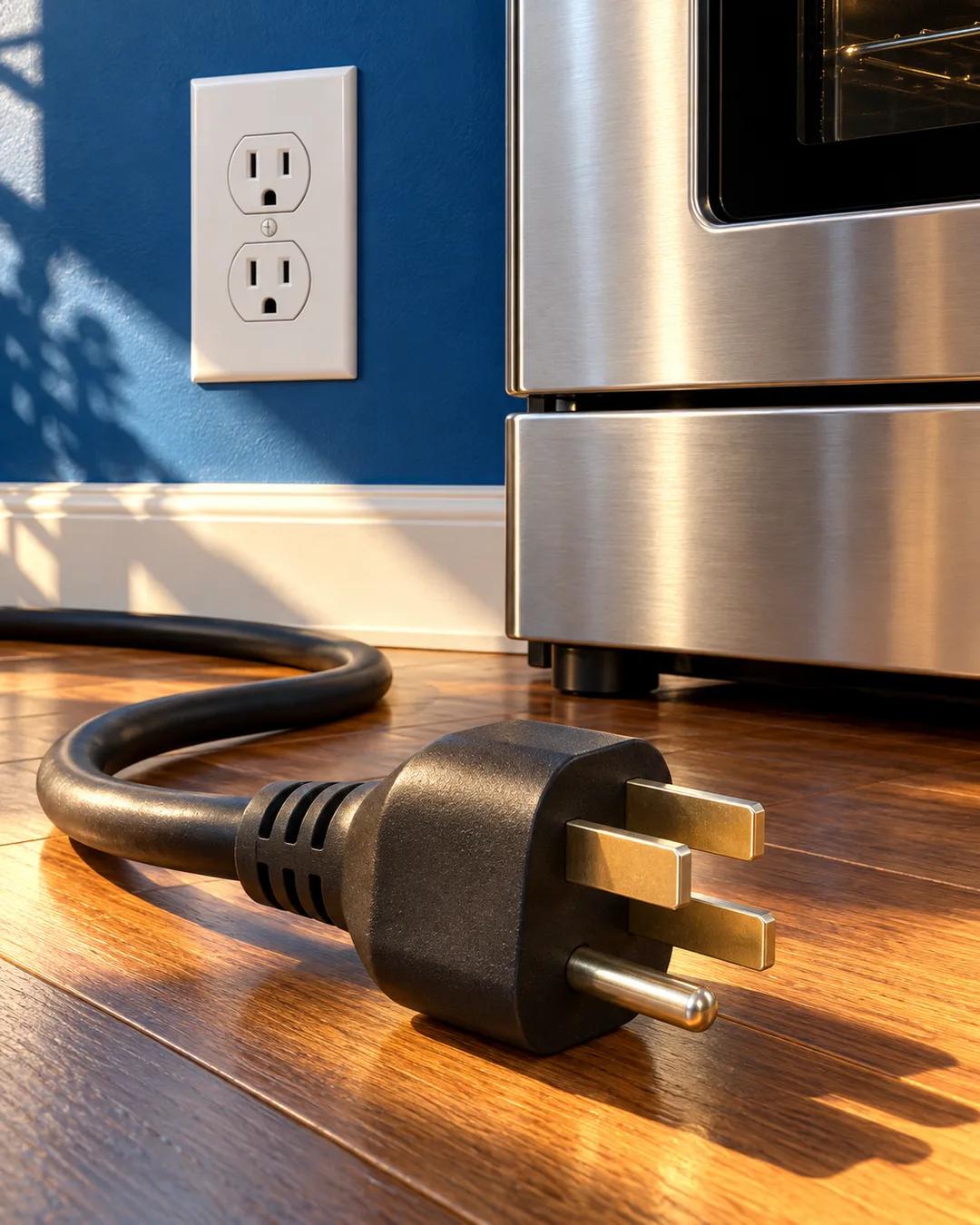
208 volts between the hots

How split-phase works
A typical US service transformer gives split-phase power. It takes one phase from the grid and provides two hot lines, each with a voltage sine wave 180 degrees out of phase with the other relative to neutral. Between one hot and the neutral you get 120 volts, a typical wall outlet, and larger appliances and EV chargers use both hots for 240 volts.
New York's three-phase mix
New York's service networks use a three-phase system like the rest of the grid, with each phase offset by 120 degrees. Most apartments and houses get two of the three phases, so the city still gives 120 volts from hot to neutral but only 208 volts between the hots. Most large appliances are designed to work on both 240 and 208 volts because of this mixing of single-phase and three-phase power.
Skyscrapers
Larger buildings like skyscrapers usually get their power at a higher voltage directly from the feeder and use their own transformers on maintenance floors to provide service throughout the building.
Why does three-phase power make 208 volts?
In a three-phase system the three voltage waves are offset by 120 degrees, so two phases are never exactly opposite each other. The voltage between two phases equals the single-phase voltage times the square root of three. With 120 volts from each phase to neutral, that works out to about 208 volts between two phases. Split-phase power, with its two waves exactly opposite, adds the two voltages instead to reach 240.
Why use three-phase power at all?
Three-phase power delivers a nearly constant flow of energy, while single-phase power pulses with each cycle. That steadiness suits big motors, which start and run more smoothly on it. A three-phase line also carries more power for the same amount of copper than a single-phase line. Nikola Tesla's polyphase patents of 1888 laid the groundwork for the system.
Why do tall buildings get higher-voltage feeds?
Moving power at higher voltage means lower current for the same load, and lower current means thinner cable and less energy lost as heat. A skyscraper's total demand is large enough that feeding it at service voltage would require enormous cable. Transformers placed on maintenance floors step the voltage down close to where it is used. This also keeps the long vertical runs through the building at higher voltage.