Korva is a scroll of the internet’s best ideas.
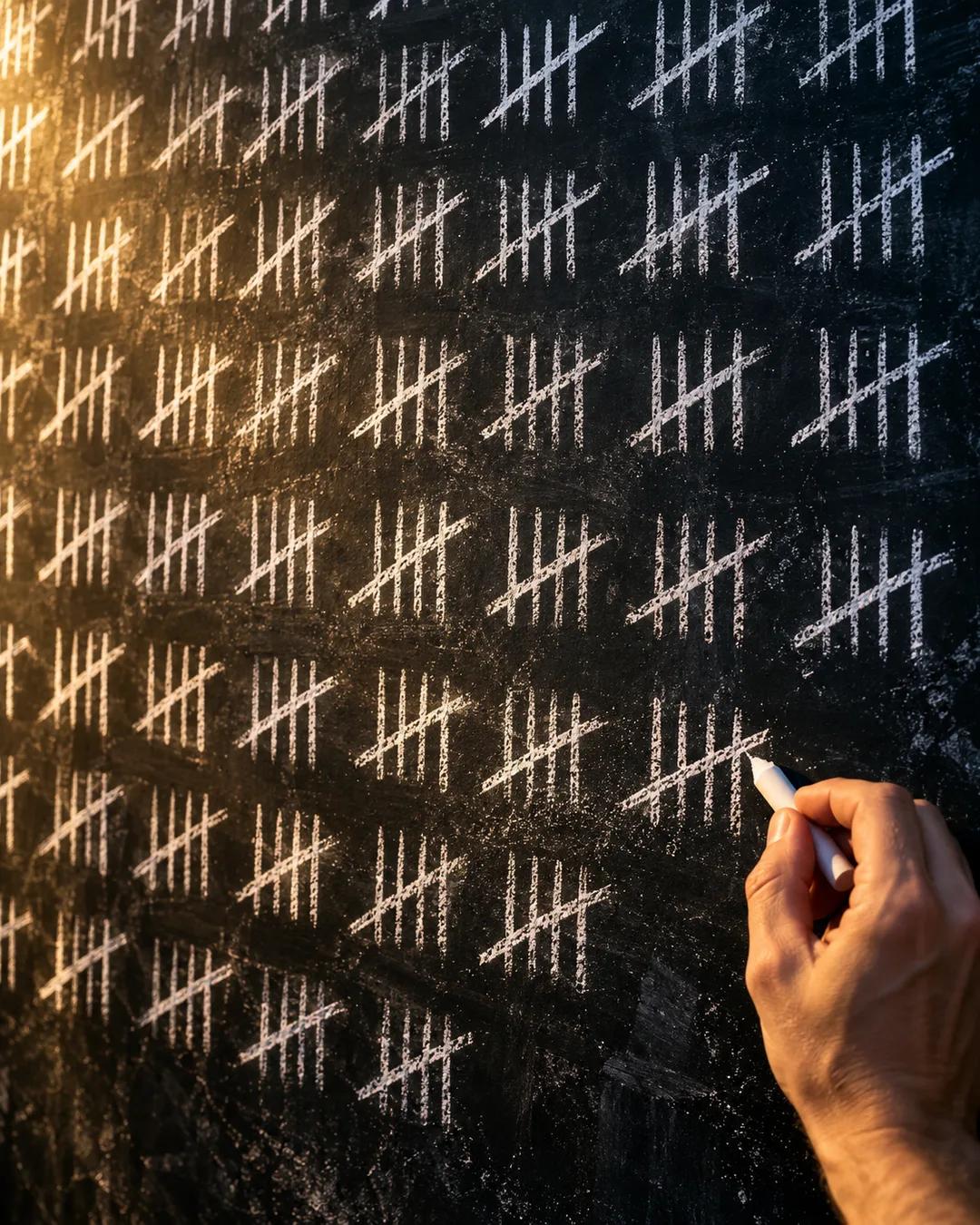
327 meetings before the first check

The slow first check
Other founders have similar stories. One has now raised $8 million after quite a few meetings and is growing as one of the fastest companies in all of Antler globally. Another can give the exact number of meetings it took. The pattern across all of them is a long run of meetings, then a second and third check that arrive fast.
Venture capitalists say they want to be first, but they often want to follow. That leaves the first check as the slow one.
When raising is fast
When an unproven first-time founder does raise quickly, two things usually explain it: charisma and founder-market fit. Charisma gives a founder the conviction to sell, fundraise, and build a team, and founder-market fit points that energy at something of real meaning.
Why do investors prefer to follow rather than lead?
Josh Lerner of Harvard Business School published a 1994 study on the syndication of venture capital investments. It described how firms bring in other investors to share their judgment on whether a company is worth funding. Joining a deal that someone respected has already backed spares an investor much of the work of evaluating it. The lead investor sets the valuation and terms, and the rest of the round often fills quickly behind them.
Why does the second check come faster?
The first check changes what other investors see. A company with a backer has been checked by someone who put money at risk, which reduces the doubt for the next investor. Many venture rounds are assembled around a lead who sets the price while others take smaller pieces. Once a lead is found, the remaining allocation can sometimes fill within days.
More from Inside Startup Funding