Korva is a scroll of the internet’s best ideas.
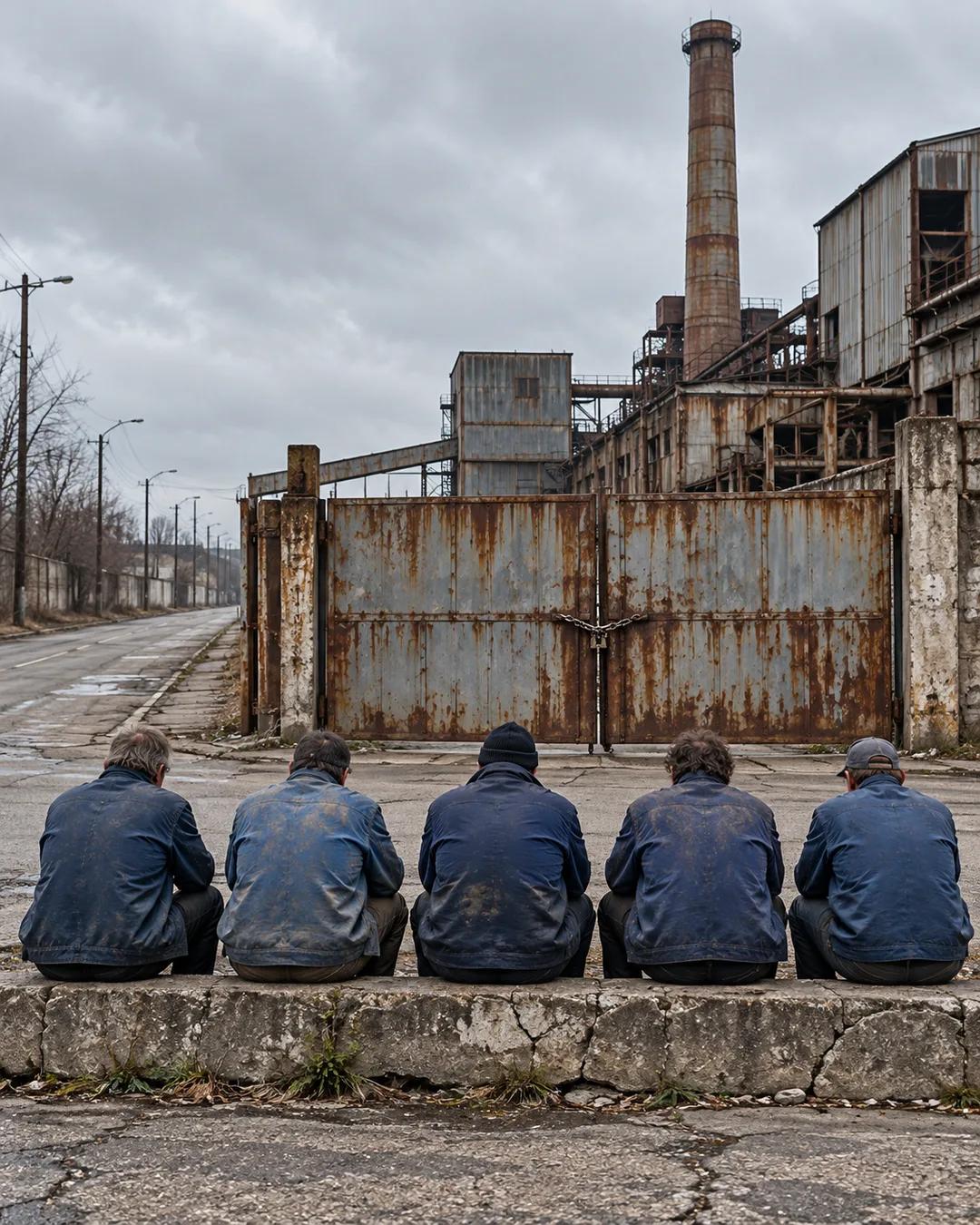
35 million state jobs disappeared

Jobs lost
Zhu pushed through deregulation and the privatization of state-owned industry in the 1990s and early 2000s, the same kind of program Thatcher ran in the UK in the 1980s. Both set off a great deal of social tension. Thatcher's losses came in manufacturing and mining, and Zhu's landed on a much bigger country.
Idle in Shenyang
In the northeast, in a region then called the Rust Belt, thousands or tens of thousands of workers in cities like Shenyang had just been laid off from big plants. They sat on the pavement looking dazed, as if their whole world had come to an end.
No safety net
They had very little to fall back on, because China's social security system at that time made poor provision for them. People used the word mamu, numb. They felt swept away by the tides of history and sat there hoping that somebody would come along with a job or a handout.
Why did losing a state job cost so much?
Chinese state enterprises ran what was called the danwei system: a work unit gave its employees a job, housing, health care, schooling for their children, and a pension. The guarantee of lifetime employment was nicknamed the iron rice bowl. When a factory shut, a worker lost all of those services at once, not only a paycheck. In the late 1990s, laid-off workers were often classified as xiagang, literally stepping off the post, a status that kept a nominal tie to the former employer.
Why did the northeast suffer the most?
The northeast was the center of China's heavy industry, with steel mills, machinery plants, and oil fields. Much of it was built in the 1950s, when the Soviet Union supplied designs and equipment for 156 major projects, many of them in the region. Shenyang, the capital of Liaoning province, was one of the country's main machine-building cities.
How did China rebuild its social safety net?
In 1997 the State Council issued a decision establishing a unified basic pension system for urban enterprise employees, combining pooled funds with individual accounts. National unemployment insurance regulations followed in 1999. The minimum living allowance for poor urban households was extended to all cities by 1999. A pilot pension program for rural residents began in 2009.
More from The Prof G Pod with Scott Galloway