Korva is a scroll of the internet’s best ideas.
64 dishes a day in prison

The feasts
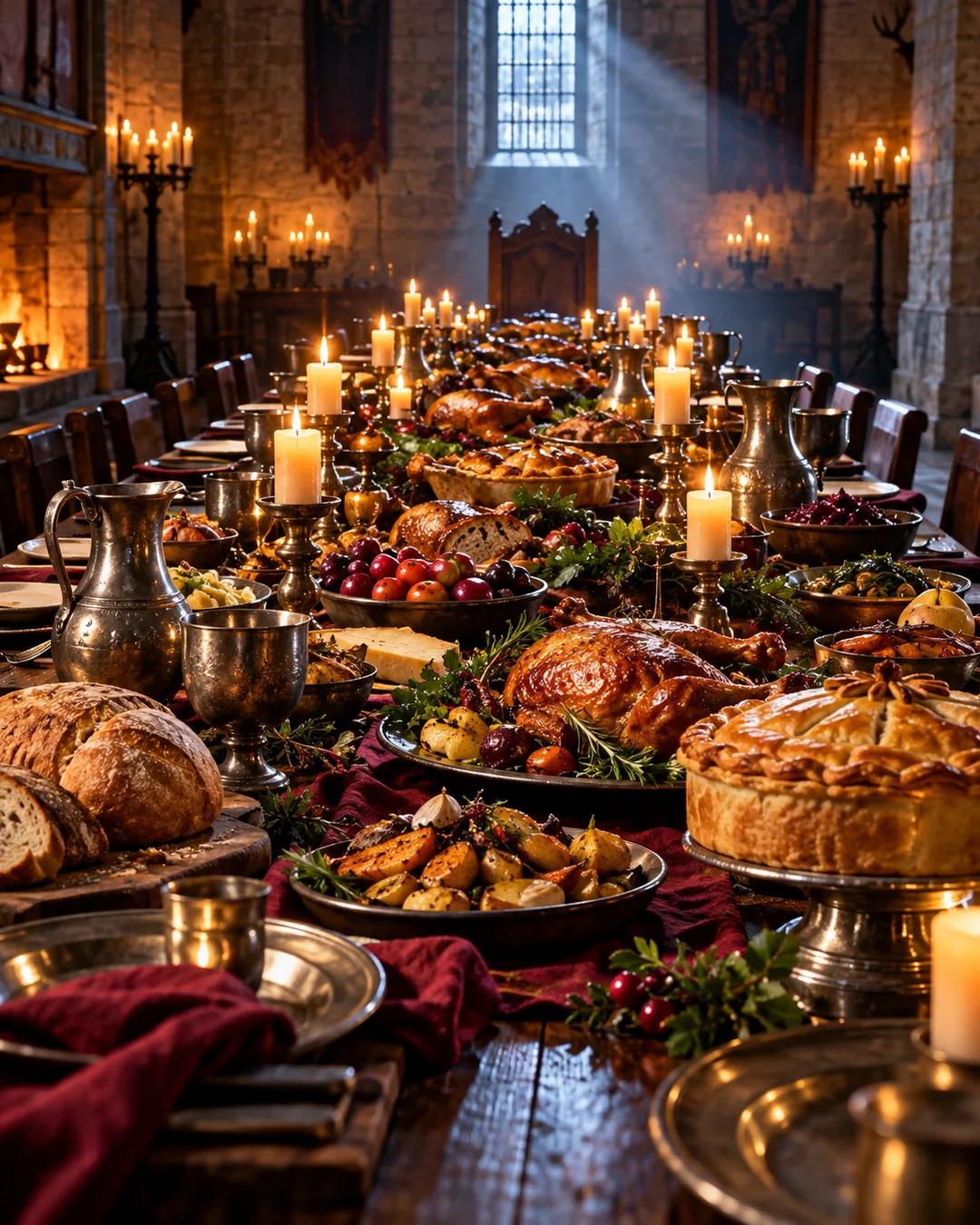
Elizabeth insisted that Mary be treated with the honour due to a queen, so wherever she was held, a groaning table of food cooked in her own kitchen was served by her own staff. Like Elizabeth, Mary had two courses at both dinner and supper, each course had 16 separate dishes, and each came with bread, wine, salads, and fruit. That made 32 dishes a meal and 64 a day. Her exercise, meanwhile, was riding once or twice a month at most, in a coach escorted by musketeers because Walsingham feared a rescue attempt.
Her health
By July 1586 she was 43 and looked much older. Reports reaching Burghley described a woman who was overweight and stoop-shouldered, with legs swollen and wrapped in gross matter, and constipation and pains that left her ready to swoon.
Tighter conditions
After the Throckmorton plot her conditions tightened. She was down to 20 dishes a day and 48 servants at Chartley Manor, a timbered mansion with two moats. Her request for Turkish carpets was refused, and her fish had to come from the river, not the sea. Each time she hung her canopy with its royal regalia, her jailer came in and tore it down.
Why did royal tables serve so much food?
Courses in Tudor households set many dishes on the table at once, and diners took only what they chose. The abundance was a display of rank and wealth. Leftovers passed down through the household by seniority, and what remained was given to the poor as alms.
Why did Tudor nobles prize Turkish carpets?
Turkish carpets reached England through Venetian and Levantine trade, which made them expensive imported luxuries. In Tudor England they were usually laid over tables and chests instead of on the floor, where rushes were common. An inventory taken after Henry VIII's death in 1547 listed around 800 carpets in his possession.