Korva is a scroll of the internet’s best ideas.
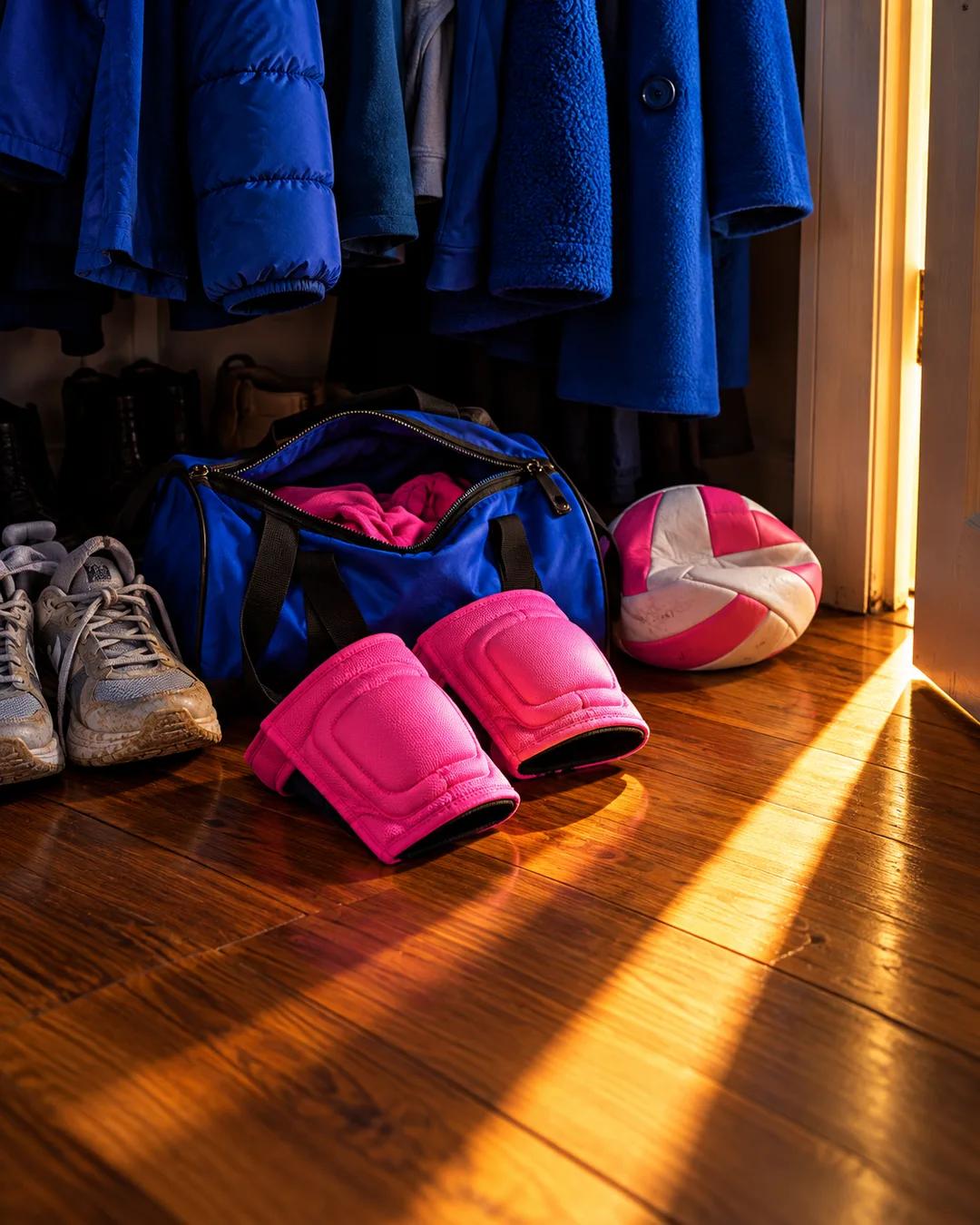
70% of kids quit sports by 13
What kids lose
The hearing covered the negative effects of declining numbers in youth sports. Without sports, kids are more likely to think negatively of themselves and more likely to become obese. They are less likely to succeed in school, and less likely to be an active parent and raise an active child.
Hyperspecialization is burning kids out, and hyper-competitive, results-oriented approaches are leaving too many kids in the cold.
The access barrier
Access is a barrier before any of that. Publicly funded middle school and high school programs are so competitive and carry so few players that a kid practically has to play club to make the team. When club costs upward of $10,000 a year, a massive swath of the population is turned away, and the travel and time away from work are extreme. The game begins to feel like it is only for the wealthy and upper middle class.
How does early specialization harm young athletes?
A 2015 study in the American Journal of Sports Medicine, led by Neeru Jayanthi, followed young athletes and found that highly specialized ones were more likely to report serious overuse injuries. Training one sport year-round repeats the same movements on the same joints and muscles with little variation. Researchers also link intense single-sport training to burnout, where athletes lose interest in a sport they once enjoyed.
Why do so many kids quit around 13?
Surveys of young athletes consistently put loss of fun among the top reasons for quitting. Amanda Visek and colleagues at George Washington University interviewed youth soccer players and identified 81 factors that make sports fun. Trying hard, positive coaching, and learning new skills ranked among the highest, while winning ranked lower. Early adolescence is also when many leagues shift from recreational teams to selective, tryout-based ones.