Korva is a scroll of the internet’s best ideas.
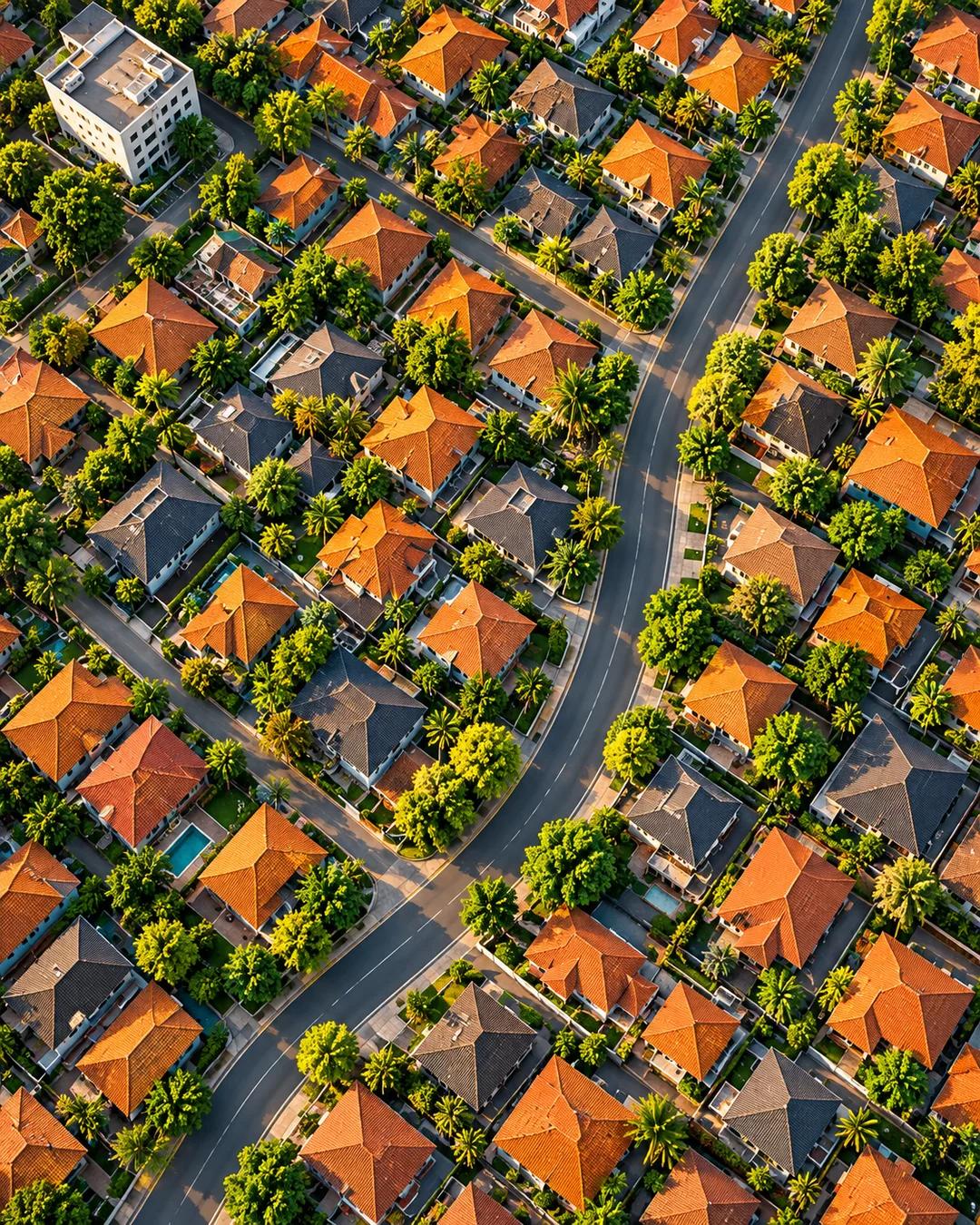
70% of world wealth is real estate

What real assets are
Real assets are the tangible and intangible things that act as true stores of value or as inputs for production. They include things people make, like houses, infrastructure, and intellectual property, and valuable things people claim, like land, minerals, and the rights to exploit fisheries or woodlands.
Real estate dominates
Real estate accounts for over two thirds of them, even with all the attention on AI models and technological advancements. Everything else shares the remaining third. In an age of technology and information, the intellectual property and software that people talk about most make up less than 5% of the world's wealth.
Housing in household wealth
Housing sits at the center of household balance sheets too. Households hold their wealth in two roughly equal ways, through real assets, primarily residential real estate, and through financial assets such as stocks, bonds, and deposits. The price of housing has tripled since 2000.
Why does land hold so much of the value?
Land cannot be produced, and its price depends heavily on location, so demand for a fixed supply pushes values up as nearby economies grow. A 2017 study by economists Katharina Knoll, Moritz Schularick, and Thomas Steger examined housing across 14 advanced economies since 1870. It found that rising land prices, not rising construction costs, explain most of the increase in house prices since World War II.
Why is intellectual property hard to value?
Its worth depends on future income that nobody can observe directly, so appraisers estimate it by discounting expected royalties or by adding up what it cost to create. Under US accounting rules, most research and development is expensed as it is spent. Internally developed patents, software, and brands therefore usually never appear on a company's balance sheet. They show up only when another company buys the business and pays for them.
More from Economics Explained