Korva is a scroll of the internet’s best ideas.
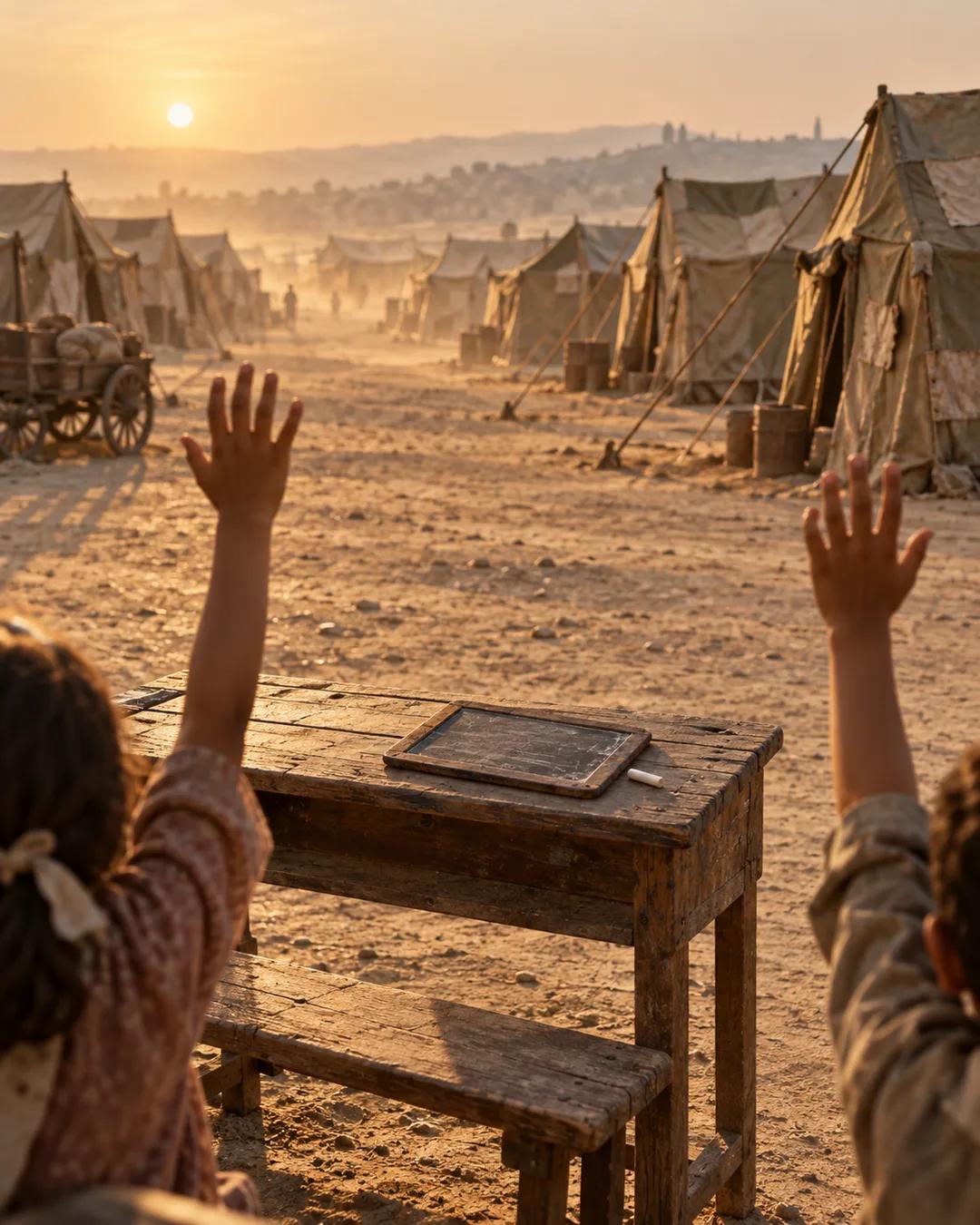
90% of her class were refugees
Starting Over
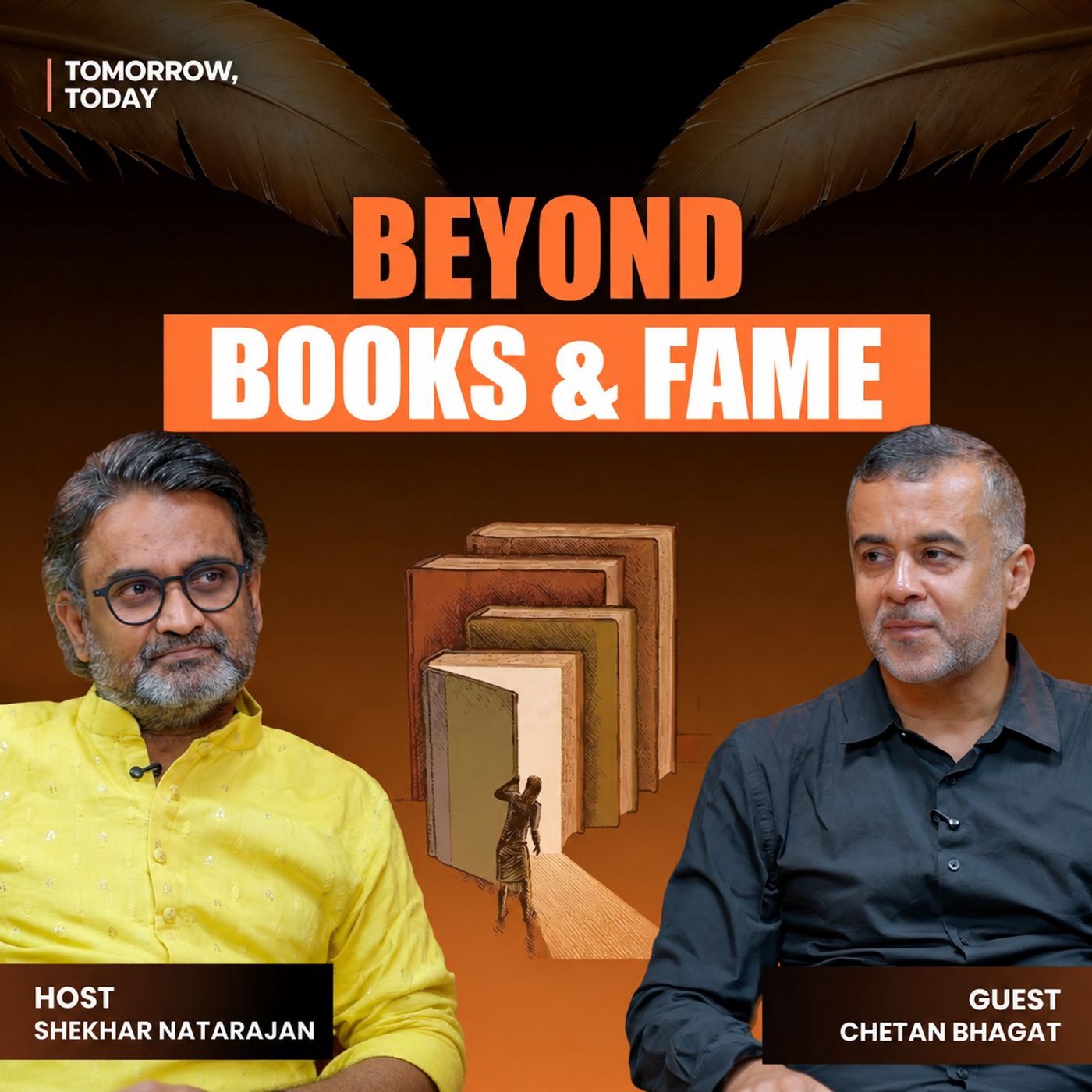
Chetan Bhagat's mother was one of those children. Both sides of his family came across at Partition to Delhi and lived in tents, surviving on welfare. They had not been wealthy, but they had a home and jobs, and his maternal grandfather was a lecturer. Then they were back to zero.
Education As The Way Out
The grandfather valued education and wanted his children to be as educated as they could be. His mother went to college and became an agricultural scientist in the government. His father came out of the army with a similar story. Their son became a known writer.
A Wider Story
Millions of people went through the same uprooting. West Delhi, which people make fun of for its Punjabi mannerisms, is full of them, and behind those mannerisms is a huge story of resilience. Bhagat also traces the survival instinct people notice in Punjabis to that history.
Why did Partition displace so many people?
In 1947 British India was split into India and Pakistan, and the border cut through Punjab and Bengal. The boundary commission under Cyril Radcliffe drew the line in a matter of weeks, and its maps were published just after independence. Families found themselves on the wrong side of a border they had not known would exist. Historians estimate that between 10 and 20 million people moved.
How did Delhi absorb so many refugees?
Delhi's population grew by more than half between the 1941 and 1951 censuses. Refugee camps were set up at sites including the Purana Qila and Kingsway Camp. The government later built new neighborhoods for displaced families, among them Lajpat Nagar, Rajinder Nagar, and Patel Nagar. Lajpat Nagar is named for the Punjabi nationalist Lala Lajpat Rai.
More from Tomorrow, Today