Korva is a scroll of the internet’s best ideas.

A $10,000 gain pays agents $150
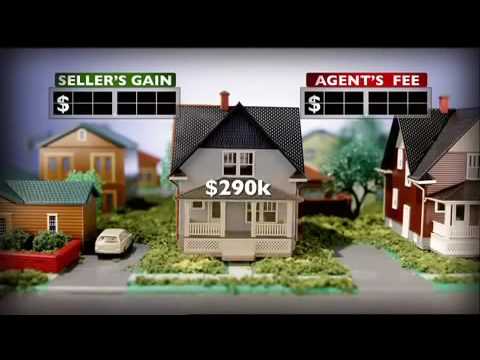
Picture a home listed at $300,000. An offer of $290,000 arrives today, and waiting a week might bring an offer for the full price. The seller would rather wait and collect the extra $10,000, while the agent has every reason to push for the quick sale.
The commission explains why. A 6% commission is split in half with the buyer's agent, and the listing agent then splits their half with the agency. Of the extra $10,000, that leaves the agent about $150. Earning it takes a week of extra work, more money spent on marketing, and time taken from another client whose sale could pay a full commission.
The sales data shows the same pull. When agents sell their own homes, they get more money than if they sold the same home for a client. They hold out for a better price and leave their own homes on the market an average of 10 days longer.
Why do economists call this a conflict of interest?
Economists describe it as a principal-agent problem: one person, the agent, acts on behalf of another, the principal, but the two want different things. A seller wants the highest price, while the agent wants the most commission for the least effort. The agent also knows far more about local prices and buyer demand than the seller does, so the seller can't easily tell whether advice to accept an offer is good or self-serving. The same structure shows up in other fields where one side knows more, such as car repair and financial advice.
How did researchers measure what agents do for themselves?
Economists Steven Levitt and Chad Syverson studied a large set of home sales from the Chicago area. They compared homes owned by real estate agents with similar homes sold for clients, in the same neighborhoods and with similar features. This let them separate the effect of who owned the home from the effect of the home itself. Their results appeared in a 2008 paper in the Review of Economics and Statistics.
Why does waiting often produce a better offer?
Each week on the market exposes the home to more potential buyers, and every new buyer is another chance for an unusually high bid. Economists model this as search: the best offer seen so far can only stay the same or rise as more offers come in. Early offers tend to come from buyers testing the market, while the buyers willing to pay the most may not have found the listing yet. A home that sits too long can start to look stale, which is why the benefit of waiting eventually levels off.
Why does the seller carry the cost of waiting?
A seller who waits keeps paying for the house: the mortgage, property taxes, insurance, and utilities continue every month. The agent's costs of waiting are smaller and different, mostly time and marketing spending. When a seller has already bought another home, a delay can also mean paying for two homes at once. That imbalance in who pays for waiting is part of why sellers and agents can disagree about the same offer.