Korva is a scroll of the internet’s best ideas.
A 14-month clot vanished

The clot that stayed
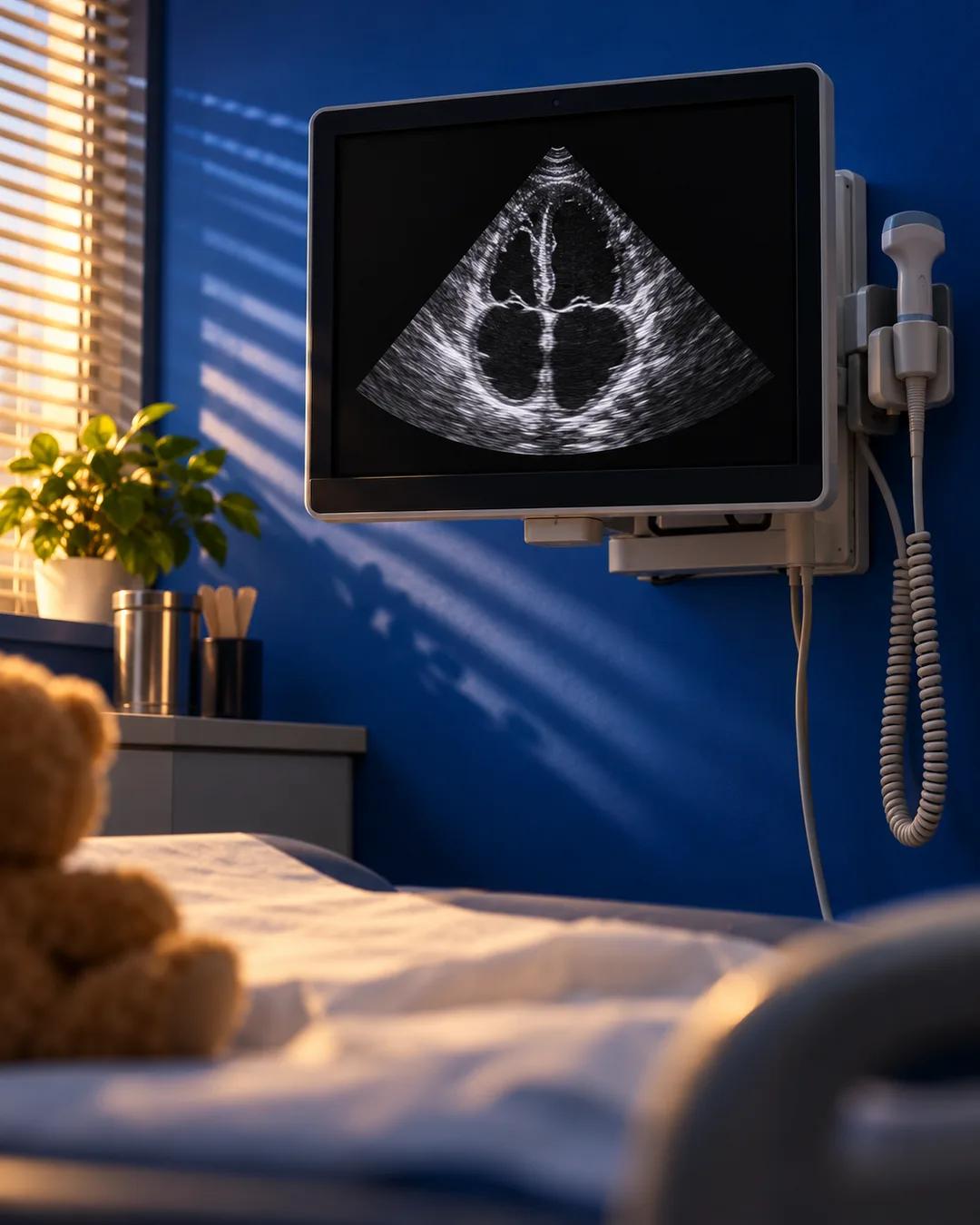
Anthony was born with hypoplastic left heart syndrome and had three open heart surgeries by the age of three. At a routine checkup in late summer of 2024, an echocardiogram showed something inside the extra piece of piping surgeons had placed in his body, and the doctors believed it was a blood clot.
They started a blood thinner and moved his checkups from every six months to every two or three. Once they thought it might be working, and at the next visit it was still there. Each time, his mother saw the picture of the clot flapping around inside him, looking exactly the same.
The morning it was gone
By August 2025 nothing had changed, and blood flow around the clot was starting to suffer. The doctors scheduled a catheter procedure for October 22, 2025, which would send a tiny camera up through his groin. At a pre-cath visit on October 14, the clot looked the same. The night before, his mother asked a priest to pray with her, and they named the saints she loved best.
On the morning of the procedure, Anthony, almost seven, was cracking jokes in pre-op, and his mother put her hand on his heart one more time to bless him. Around noon, the doctor came out to the waiting room and told his parents there was nothing there. An echocardiogram after Anthony was put to sleep showed no clot, and the camera found none inside, so the team closed him up. The doctor wondered if the blood thinner had finally worked after 14 months. A week earlier, the clot had been on the screen.
Why do clots form on surgical piping?
Healthy blood vessels are lined with endothelial cells that release substances keeping platelets and clotting proteins in check. Man-made grafts have no such lining, so blood meeting the material can start a clot. Slow blood flow adds to the risk, since clotting factors that would normally be washed away linger in one place. The German physician Rudolf Virchow described this combination of vessel injury, slow flow, and clot-prone blood in the mid-1800s.
How does a catheter reach the heart?
A catheter is a thin, flexible tube that enters a large vein or artery in the groin. Because the blood vessels form one continuous network, it can be guided upward through the abdomen and chest until it reaches the heart. Doctors steer it using live X-ray images. The first person to try it was the German physician Werner Forssmann, who in 1929 threaded a catheter through a vein in his own arm toward his heart, and he shared a Nobel Prize in 1956.
How can a clot disappear on its own?
The body has its own clot-clearing system, in which an enzyme called plasmin cuts apart the fibrin mesh that holds a clot together. Blood thinners mostly stop a clot from growing or new ones from forming, leaving that natural system to do the clearing. Clots can also shrink as the proteins in them are broken down and the remnants are absorbed into the vessel wall. This process is called fibrinolysis, and it runs at low levels in the blood of every healthy person.
More from The St. Bernadette Parish, Westlake Podcast