Korva is a scroll of the internet’s best ideas.
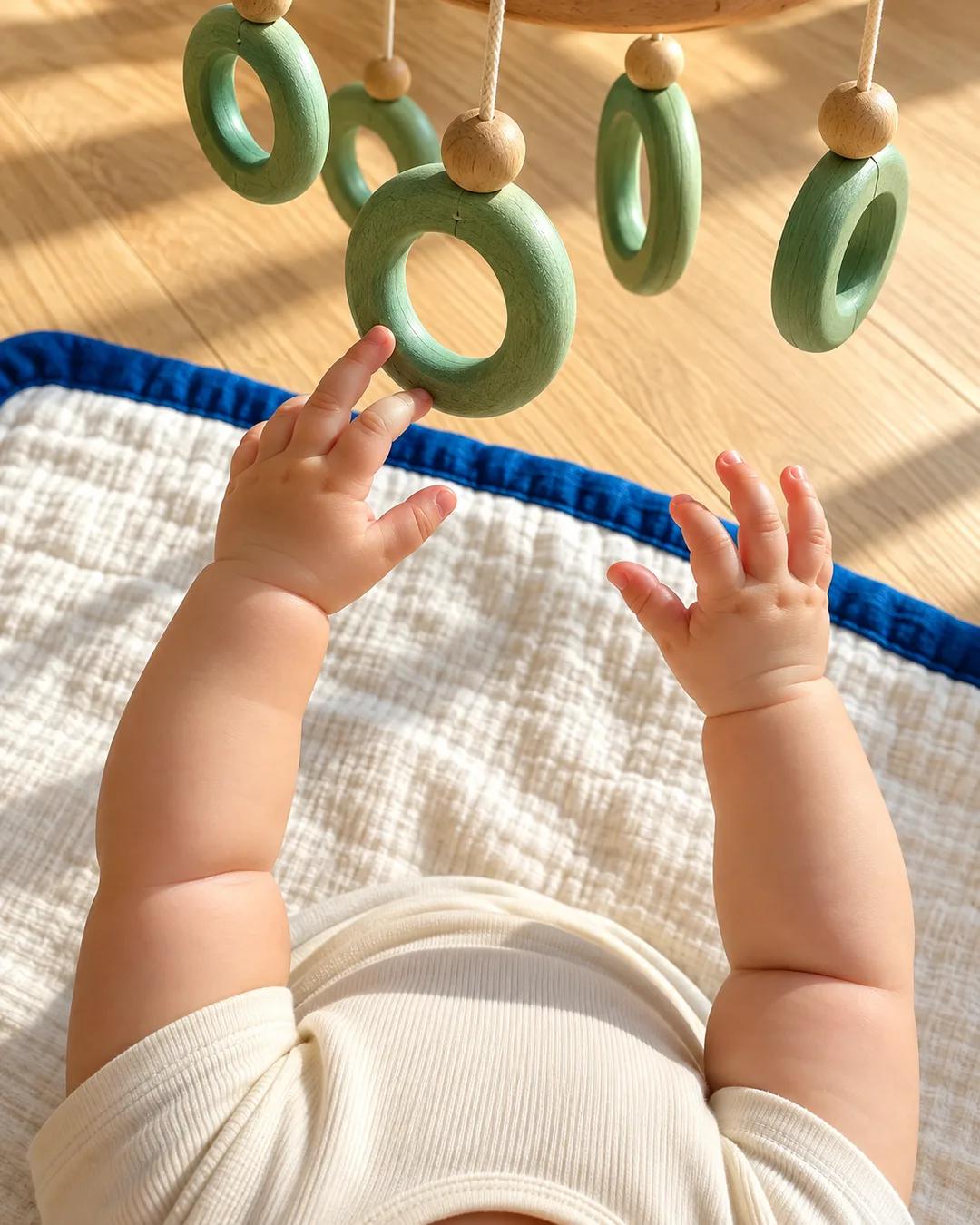
A baby's brain nearly doubles

The fastest growth of life
Brains develop faster in the early years than at any other time in life. Learning starts even earlier, before birth, inside the womb.
From the outside, the changes look like a baby who cried all the time and was always hungry, and who now laughs, giggles, and makes funny noises. Inside, far more is happening: a young brain can create up to one million neural connections every second.
Five things that support it
That growth depends on five things: connecting, talking, playing, a healthy home, and community. Together they help a child's brain reach its full potential. Scientists now know how much the first five years matter for health and development, the brain most of all.
Why does a baby's brain grow so fast?
Most of a person's neurons are already in place at birth, so the early growth comes from what forms around them. Neurons sprout branches, build connections called synapses, and get wrapped in a fatty coating called myelin that speeds up signals. This wiring and insulation makes up much of the added volume. Myelination keeps going well past childhood and continues into a person's twenties.
Why does the brain trim connections it builds?
Early on, the brain builds far more synapses than it ends up keeping. Pediatric neurologist Peter Huttenlocher, working at the University of Chicago, counted synapses in brain tissue from people of different ages and found that density peaks in early childhood and then falls through adolescence. This trimming is called synaptic pruning. Connections that get used are kept, and the rest are cleared away, which makes the remaining circuits more efficient.
How do early experiences shape brain wiring?
Neuroscientist Carla Shatz summarized an idea from psychologist Donald Hebb in the phrase "cells that fire together wire together." Connections that are active at the same time strengthen. In the 1960s, David Hubel and Torsten Wiesel closed one eye of newborn kittens and found that the visual cortex stopped responding properly to that eye. The same closure in adult cats caused no such loss, which showed that some brain systems have windows in early life when experience matters most. Hubel and Wiesel later won a Nobel Prize for this work.
More from TED