Korva is a scroll of the internet’s best ideas.
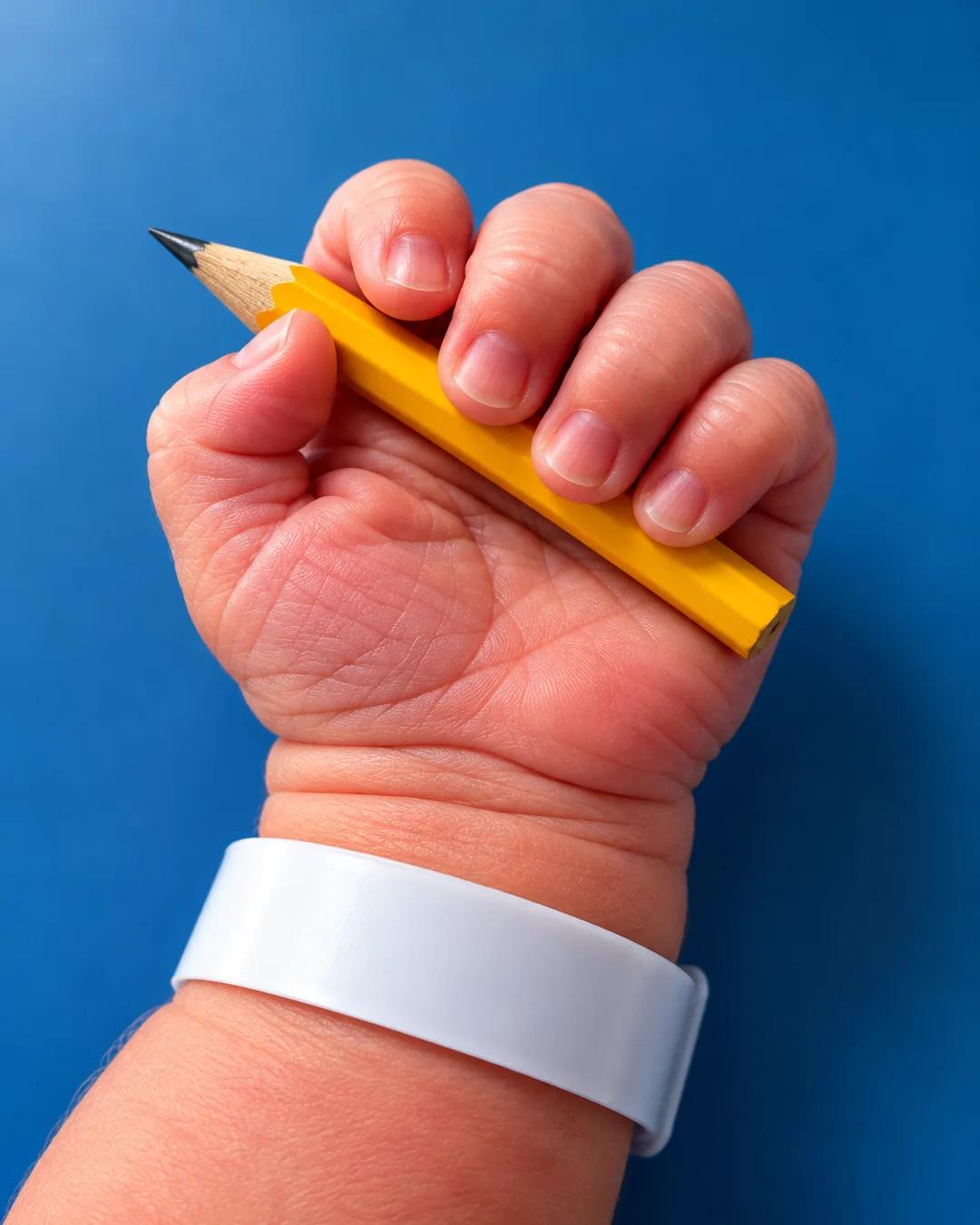
A baby's grip is a reflex
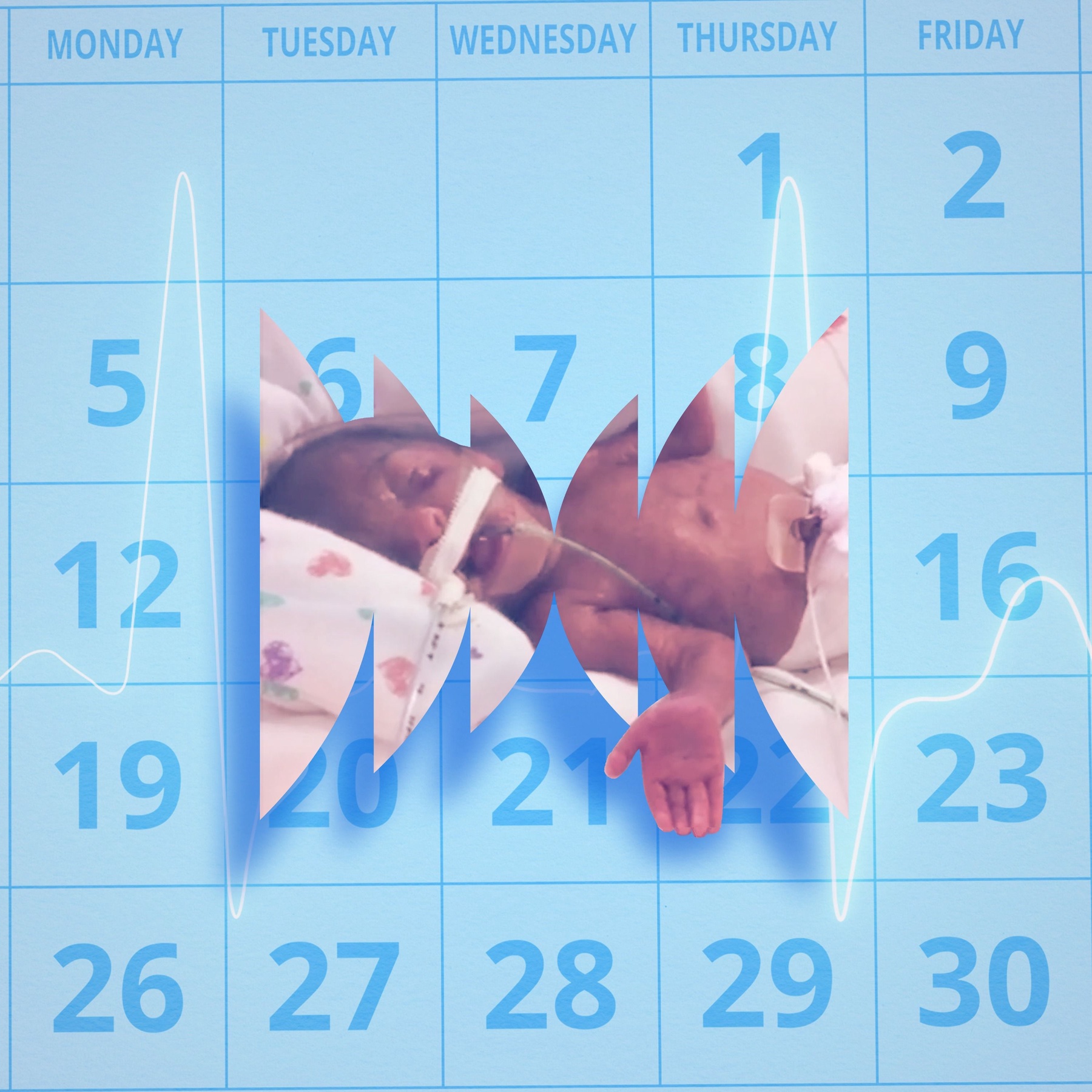
Declaring itself
Parents and NICU staff have a phrase for it: the baby declared itself. Over the first hours and days, some babies seem to show whether they will make it. Parents often see an incredible will and resolve in that.
What clinicians know
Neonatologists and nurses stay more careful. One baby is sick enough not to be able to fight, and one isn't. A baby that seems to fight might simply have had a few more lung buds to start with, or an easier time in the womb. A baby at 23 weeks has a brain that barely has folds on the outside and is still mostly smooth, so what it is capable of thinking or feeling is an open question. Nurses call the visible part spunk, and they avoid telling parents about the grasp reflex, because parents take the grip as an intentional movement.
Why parents see intention
For a parent deciding how much of their heart to pour into this tiny creature, seeing intention may be the only way to make the choice. Important decisions in life are rarely made for rational reasons.
How does the grasp reflex work?
The palmar grasp reflex is an automatic response run by the spinal cord and brainstem rather than the thinking part of the brain. Pressure on the palm makes the fingers close, which is why it works even in a sleeping or sedated baby. It typically fades around five to six months as voluntary hand movement takes over. Doctors test it in routine newborn exams, and it is usually present in babies born a few weeks early.
Why does a premature brain look smooth?
The brain's outer layer folds as it grows, packing more surface into the skull. In a fetus at 23 weeks the surface is still largely smooth, and the main folds develop over the weeks that follow. Brain imaging atlases of the fetus and premature infant show the folds forming across the third trimester.
Why were newborns once operated on without anesthesia?
Until the 1980s, many doctors believed a newborn's nervous system was too immature to feel pain, and some infants had surgery with little or no pain relief. A 1987 paper in the New England Journal of Medicine by K. J. S. Anand and Paul Hickey showed that newborns mount large stress responses to surgery, and argued for anesthetizing them. Practice changed in the years afterward.
Why do people read intention into small movements?
Humans are quick to see goals and feelings in anything that moves. In a famous 1944 experiment, Fritz Heider and Marianne Simmel showed people a short film of circles and triangles moving around a screen, and almost all of them described the shapes as characters with motives. Psychologists call this tendency anthropomorphism.
More from Radiolab