Korva is a scroll of the internet’s best ideas.
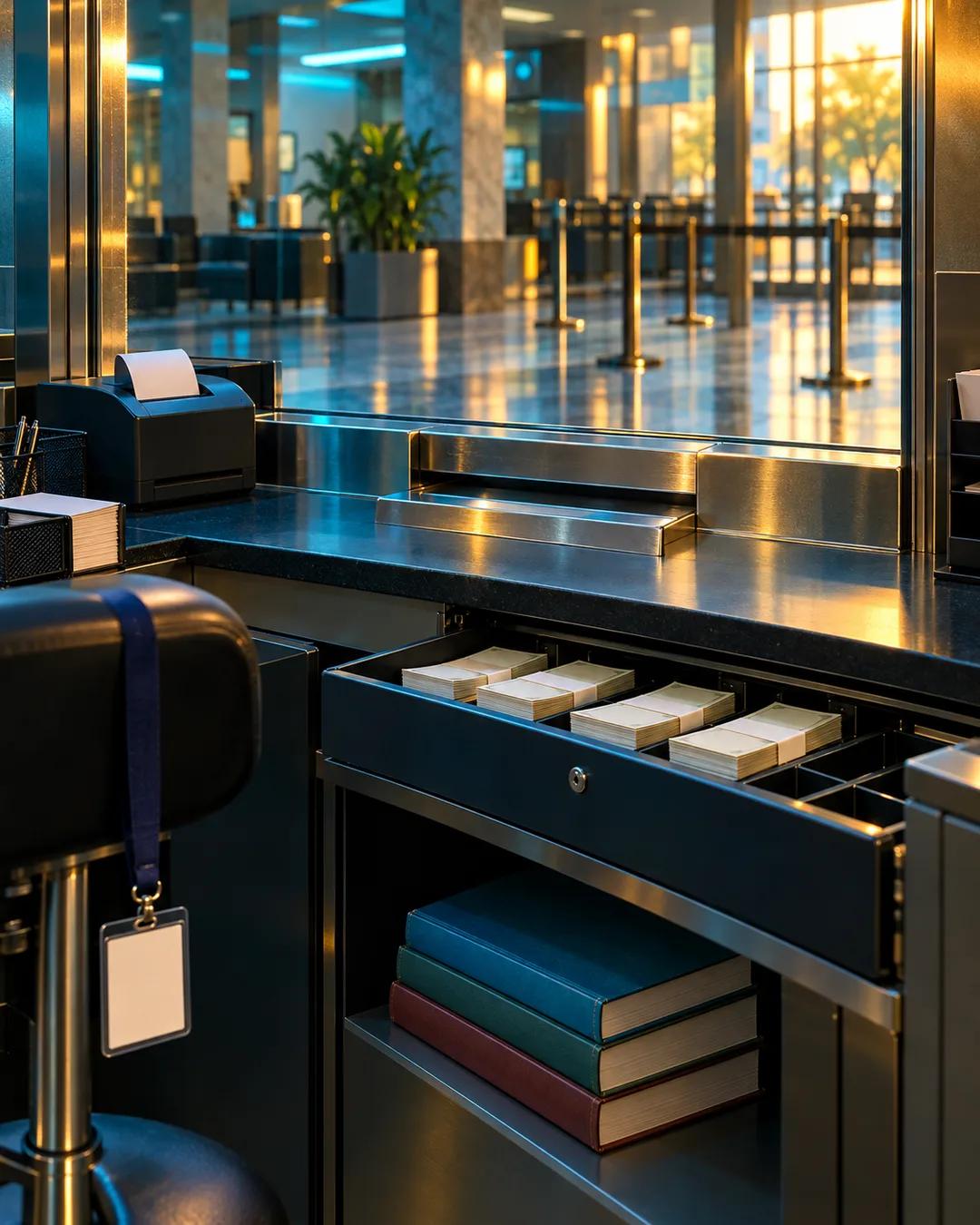
A bank teller job paid for engineering school

First computers
Fiona Fung had first touched a computer in grade nine, in a typing class followed by some HTML. She had wanted to be a visual artist, and programming offered the same thing: an idea turned into something created. She rushed to make up the science classes she needed for university.
The tuition problem
The money was an unknown. Ontario's student assistance program existed, but how much of her tuition it would cover was unclear, and that was still a year away. Then the National Bank of Canada posted a flyer at her school hiring high school interns as tellers.
The teller job
The class she hated most was accounting, and the job paid minimum wage, but she took it. She worked all summer and saved, then worked Saturdays after school during the week. That paid all her school expenses, and when the dot-com crash slowed internship hiring in 2000, she kept the teller job for two more years.
Why did the dot-com crash freeze internships?
The Nasdaq Composite peaked on March 10, 2000, above 5,000, and then fell roughly 78 percent by October 2002. Internet startups that had been hiring aggressively ran out of funding, and many shut down. Large employers also cut back on summer interns while they trimmed budgets. Entry-level technology hiring stayed thin for several years.
How were early web pages made?
Early web pages were written by hand in HTML, a markup language Tim Berners-Lee created at CERN around 1989 to 1991. A person typed tags into a plain text editor and opened the file in a browser to see the result. This made the web approachable to anyone who could type, including designers and artists. Course material in the late 1990s often paired typing classes with a first look at HTML.
Why do banks hire teenagers as tellers?
Teller work follows clear procedures and runs on part-time shifts, which suits students on a school schedule. Banks also use such jobs to build a pipeline of future employees who already know the branch. Tellers handle cash counts and balance their drawers at the end of each shift, a routine that teaches accuracy. Canadian banks have long run co-op and student programs of this kind.
More from Lenny's Podcast: Product | Growth | Career