Korva is a scroll of the internet’s best ideas.

A billboard instead of singles
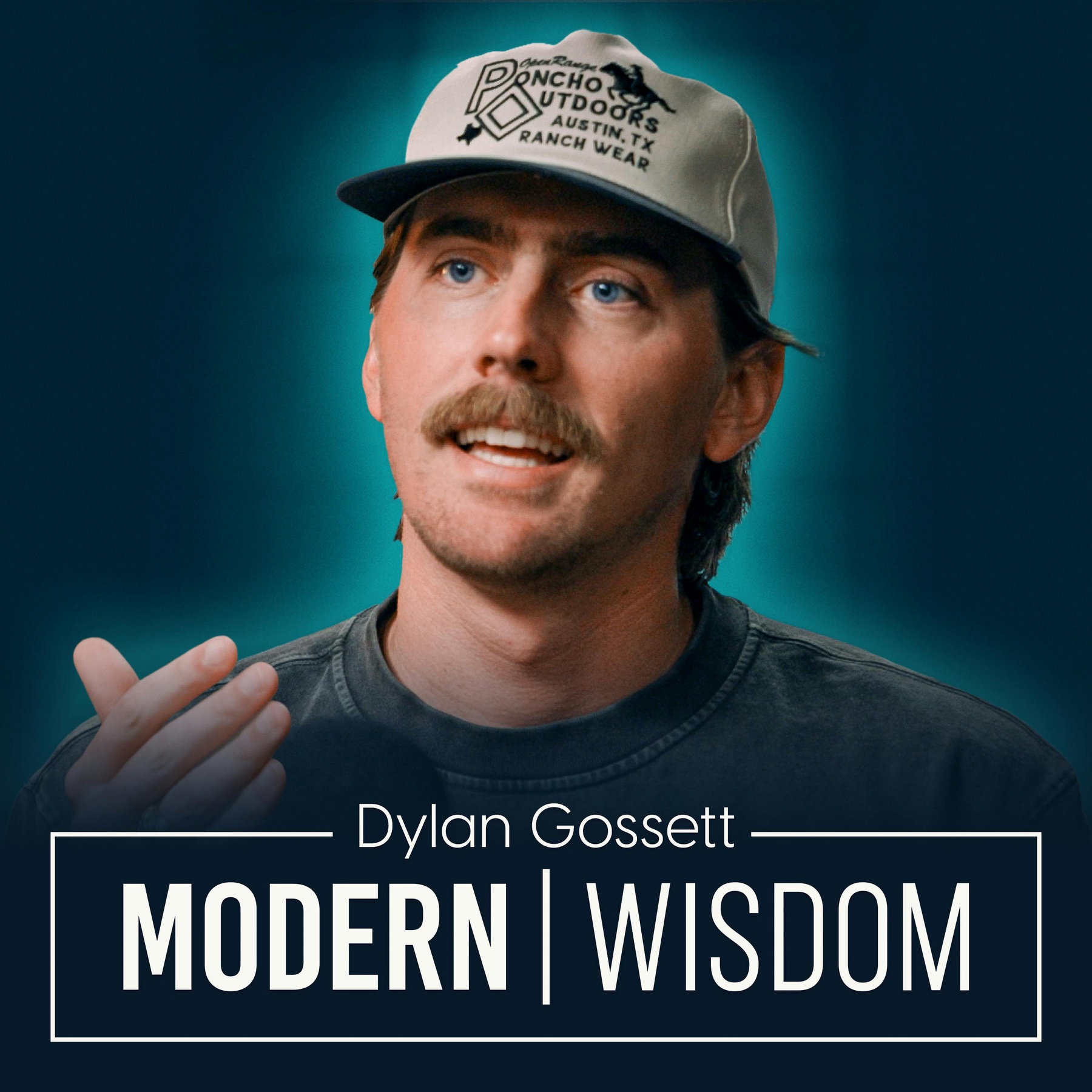
Albums used to arrive without anyone knowing what the songs were, and fans were stoked to dive in. The business logic now is to tease songs, crowdsource which ones do better, and build excitement in advance. There is a case for the old way: twelve new songs for fans who have no idea what they sound like, which might even be a whole new sound.
The billboard approach might not be the most effective for the algorithm, and not everyone can pull it off. Dylan Gossett loves it anyway, and he would rather choose singles week by week and feel it out than put every release on a calendar. The pull between what is authentic and what pays the bills is a fine line.
Why do surprise album drops work?
Beyonce released her self-titled album without warning on iTunes in December 2013, and it sold over 800,000 copies in three days. Radiohead's In Rainbows, released in 2007, let fans choose what to pay. With no singles to compare, listeners hear the whole record as the artist arranged it. Both releases generated enormous attention before reviews or radio had a chance to shape opinions.
How do labels pick which song to push?
Labels have long watched data to see which songs get a reaction before choosing singles. Early signals include streaming counts, playlist adds, and Shazam searches, where listeners identify songs they hear. Short-video apps like TikTok add another signal, because a snippet of a new song can be tested there before release. Apple bought Shazam in 2018.