Korva is a scroll of the internet’s best ideas.
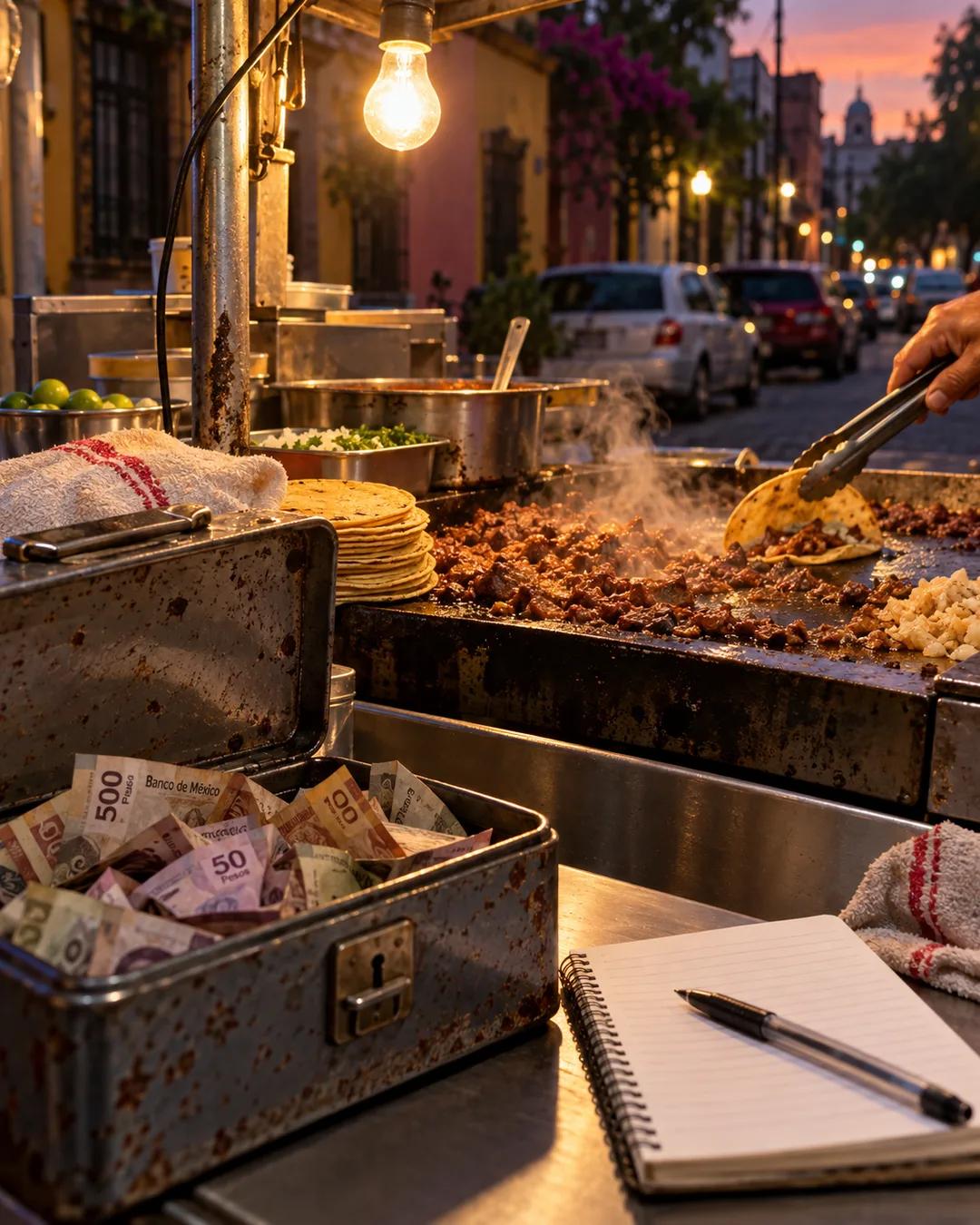

The taco stand problem
The seller has a history, since every day tacos get sold and cash comes in. Nobody can underwrite on top of it because none of it is written down. When the transaction happens digitally, the seller can take that record to a bank and ask for credit based on the cash flow. A loan could mean two taco stands, or five.
Small businesses worldwide
The same logic covers much of the world. In Brazil, something like 70% of all employment is in small businesses, and the same holds in India and Southeast Asia. Many of these businesses historically dealt in cash and are now digitalizing, which opens trillions of dollars of credit to billions of people.
Why credit lagged
Credit card penetration in Mexico and Colombia sits at 13%. Credit stayed out of reach because lenders needed far more data, more sophisticated underwriting, and digital systems, and all three are now arriving as cash disappears and real-time payment systems like Pix in Brazil and UPI in India spread.
Why can't banks lend against undocumented cash sales?
Lenders underwrite by checking that income is real, steady, and repeatable, and they need records they can verify. Cash-based businesses rarely produce them, so the bank has nothing to measure. Cash-flow lending uses digital payment records to estimate a business's income and its ability to repay. Payment processors such as Square began offering loans based on a merchant's card sales history in 2014.
How do real-time payment systems like Pix work?
Brazil's central bank launched Pix in November 2020 as an instant payment system that runs around the clock. Money moves between accounts in seconds, and a payment can be addressed with a phone number, email, or QR code. Individuals pay no fee to send money through it. India's UPI, run by the National Payments Corporation of India, started in 2016 and works on a similar principle.
Why does digital payment data change lending?
Each digital transaction leaves a timestamped record of who paid, how much, and when. Lenders can feed those records into models that estimate income stability and seasonal swings. This replaces the collateral and paper financial statements that small lenders traditionally required. The World Bank has described the lack of such records as a major reason many small businesses report unmet credit needs.
More from Invest Like the Best with Patrick O'Shaughnessy