Korva is a scroll of the internet’s best ideas.

A CEO halted his own trial
Bad news arrives
Late one night, the chief medical officer and the chief science officer walked into the CEO's office with big binders and said they needed to talk. The pill was a small molecule that had looked incredibly promising in animal studies and was safe in healthy volunteers. The first two people with an adult form of Pompe disease to be treated were not improving, and the biochemical data showed their muscles getting weaker. Nobody knew why.
Pulling the drug
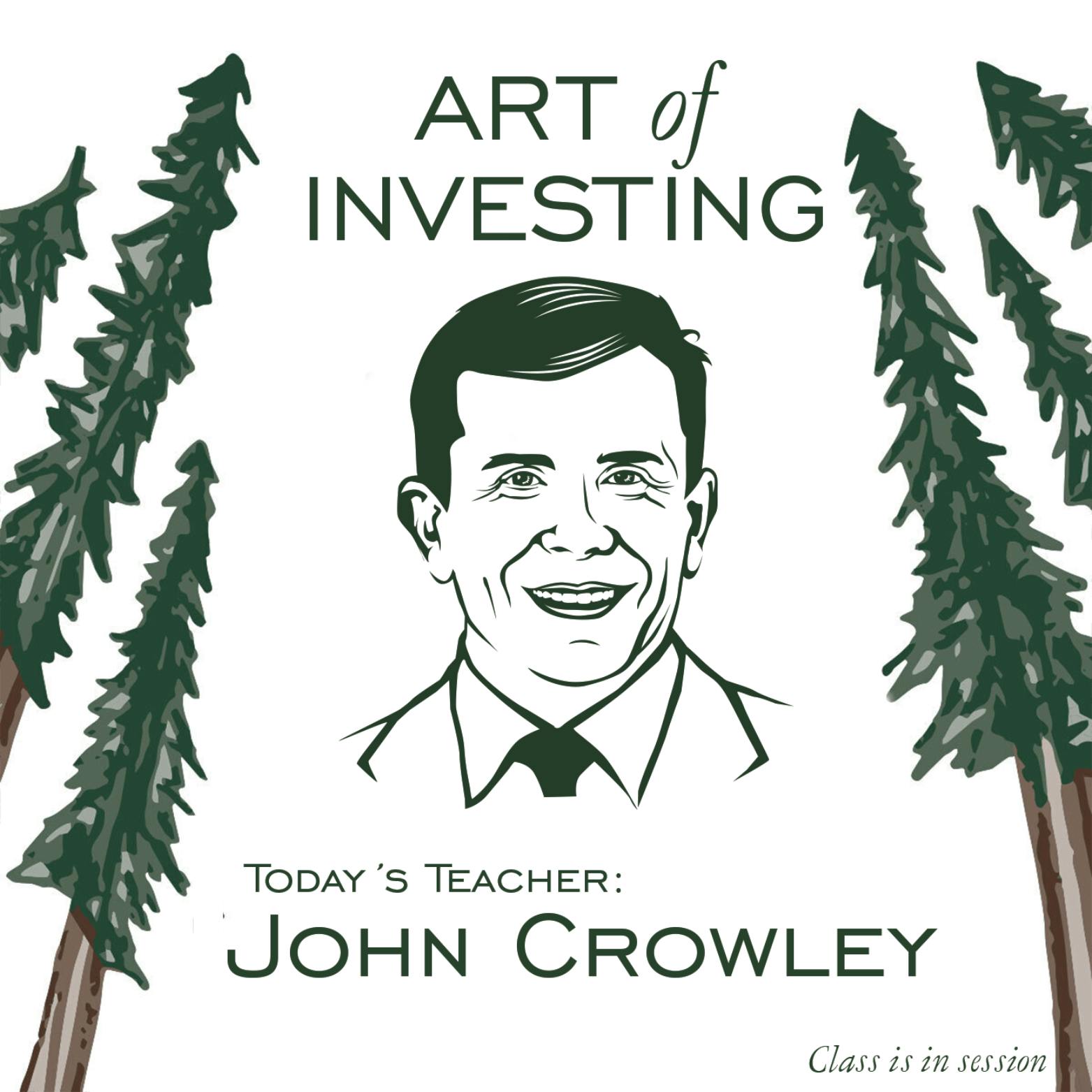
The CEO's first thought was that two patients is a tiny sample in cold and flu season, but the data held up. The next morning the company called the doctors and told them to stop the drug immediately, and John Crowley personally called the FDA to ask for a clinical hold so that no one else would take it. As a public company, Amicus announced it in a press release, and the stock fell 50% in a day. Behind it all sat the thought that four years meant for his own children's treatment were gone.
A second chance
The molecule's half-life in the muscle of people with Pompe disease turned out to differ from what it was in the animals and the healthy volunteers. The team spent months off-site looking for another dose or a closely related molecule before agreeing to stop. Then Hung Do, the head of biology and a glycobiologist, said he thought he could make a better enzyme. Amicus couldn't afford it, so he left and started a company his brother funded, and four years later he had animal data.
Why do animal results often fail in people?
Animals and humans differ in how fast they absorb, process, and clear a compound, and in how the target behaves in diseased tissue. Animal models of a genetic disease only approximate the human condition. A 2022 review in Acta Pharmaceutica Sinica B attributed 40 to 50 percent of clinical trial failures to lack of clinical efficacy and about 30 percent to unmanageable toxicity.
How does the FDA halt a trial?
A clinical hold is an FDA order to delay or suspend a human trial, issued when participants may face an unreasonable risk. A company can also ask for one itself when its own data raise safety questions. The company must submit a complete response before the FDA considers lifting the hold, and the agency's regulations give it 30 days to reply.
Why do small biotech stocks fall so hard?
Many small biotechs have only one or two drug programs, so their entire value rests on those results. A failed trial can erase the expected future revenue in a single announcement. Public companies must report material events quickly, and a trial halt usually goes out in a press release. The SEC's Regulation FD, adopted in 2000, bars companies from sharing such news with select investors first.
More from Joys of Compounding