Korva is a scroll of the internet’s best ideas.
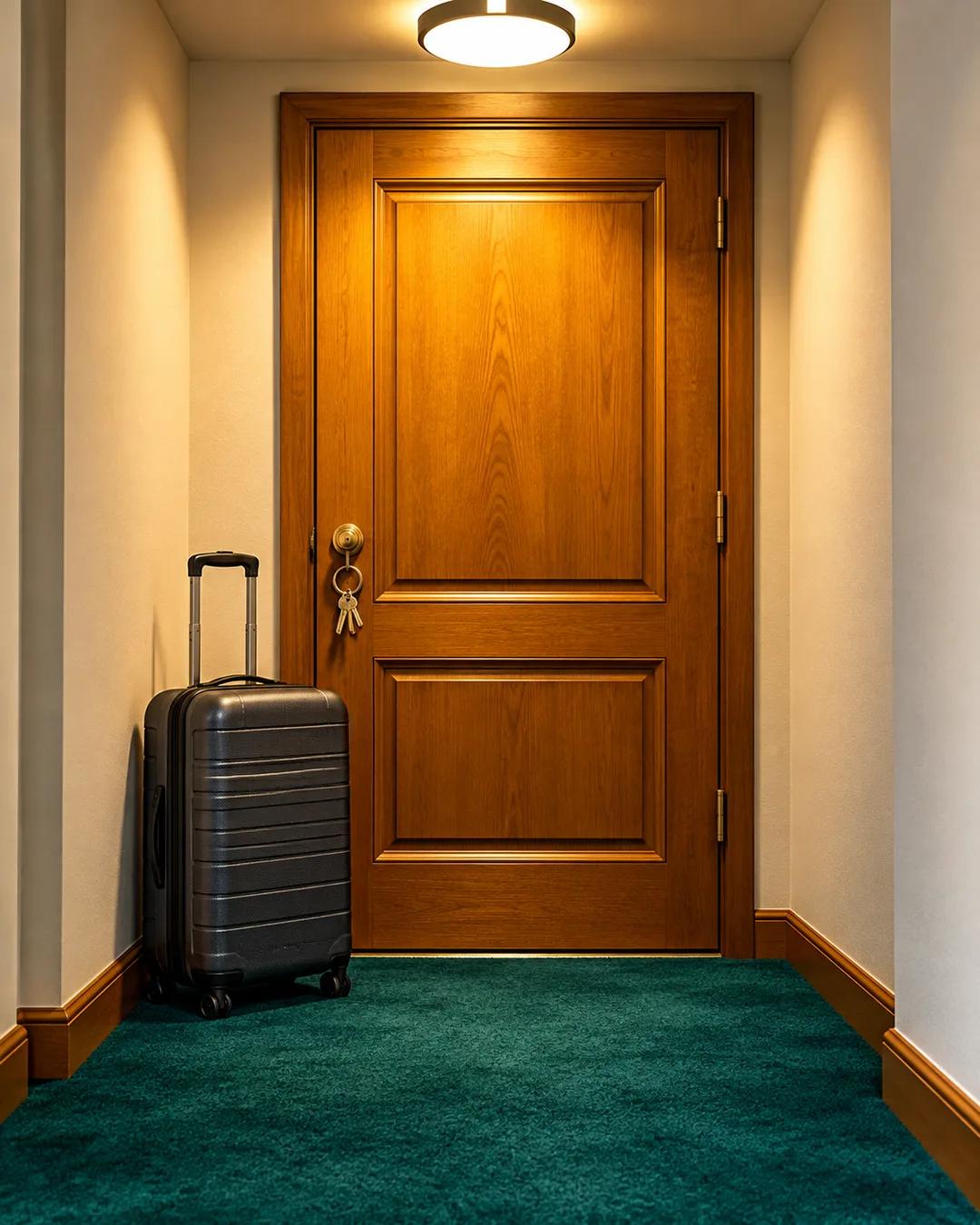
A condo can trap you in Toronto

Stuck with a loss
The options are painful: sell at a loss with big transaction costs, or rent it out and take on a difficult situation. Owning limits mobility, and mobility is how people find higher-paying work. It adds a risk that a young person who may end up elsewhere probably does not need.
Needs that change
Needs change too. One family met in a rental, then lived in four rented places as four kids arrived: a bigger condo, a townhouse, then a house. Each time the lease ended, they gave notice and left for a better fit. As owners, the transaction costs of those moves would have been insane, or they would have had to buy the forever house much earlier, with significant opportunity costs.
Mental commitment
The pull is psychological as well. Candidates interviewing for jobs say they have just bought a house in a city, and that investment holds them back from an opportunity in New York, LA, or London because they feel mentally committed to the place.
Why did Toronto condo prices fall so hard?
The Bank of Canada raised its policy rate from 0.25 percent in March 2022 to 5 percent by July 2023, the fastest tightening in decades. Presale condos are bought years before completion, so the interest rate at purchase can differ sharply from the rate at closing. Higher rates raised carrying costs for investors who had counted on rent to cover their payments.
Does owning a home slow down job markets?
British economist Andrew Oswald proposed in 1996 that high homeownership slows labor markets because owners are costly to move. In a 2013 study, Oswald and David Blanchflower found that US states with rising homeownership rates saw higher unemployment years later. Transaction costs such as agent commissions, legal fees, and land transfer taxes make selling expensive, which discourages moves. The idea is known as the Oswald hypothesis.
Why does buying a home create attachment to a place?
Behavioral economists call part of this the endowment effect, in which people value what they own more than identical goods they do not. In a 1990 experiment, Daniel Kahneman, Jack Knetsch, and Richard Thaler gave some students coffee mugs, and the mug owners demanded about twice as much to sell as other students were willing to pay. Sunk costs add to the pull, because money already spent on a purchase makes leaving feel like a waste.
More from The Diary Of A CEO with Steven Bartlett