Korva is a scroll of the internet’s best ideas.
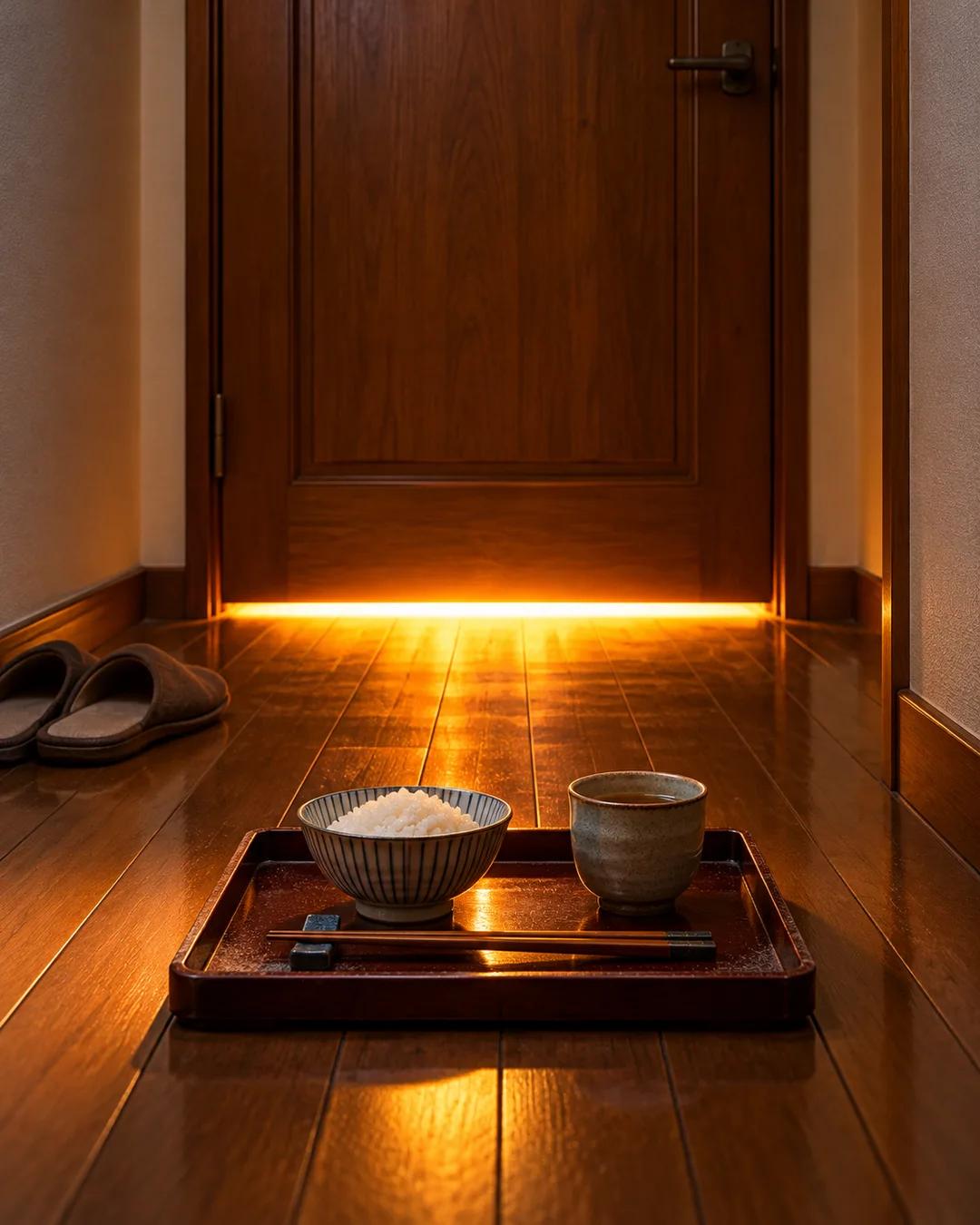
A decade in a bedroom

How the jobs vanished
It began when the asset price bubble burst in the early 1990s and stable jobs dried up almost overnight. Japanese employers had always hired fresh graduates in a single annual cohort, and graduates who expected permanent employment found themselves cycling through low-paying part-time work. The entry points closed and never really reopened.
One in four Japanese people in their 20s will be NEET, meaning not in employment, education, or training, at least once over any four-year period, and more than half of them go through it multiple times. Some gave up on getting back into work, and then gave up on going outside. The word for them is hikikomori: people, mostly young men, who don't go to work or school and barely leave their room, sometimes for years.
Families as the safety net
The country had an intensely competitive education system and economy with narrowing entry points, plus a welfare system that relied heavily on families to absorb the strain. Once families reached their limit, little was left to catch anyone falling out of society. Similar patterns have been documented in South Korea, the US, and Singapore.
The 80/50 problem
Japan has a name for what happens after a generation of this, the 80/50 problem: parents in their 80s still supporting children in their 50s who never reentered society. When those parents die, many of the children have no income, no work history, and nowhere to go.
Why does Japan hire graduates all at once?
The practice is called shinsotsu ikkatsu saiyo, or new-graduate batch hiring. Companies recruit students months before graduation and start them together each April. Under the traditional lifetime-employment model, firms trained recruits in-house instead of hiring for ready-made skills. Candidates who missed the window were often treated as outside the normal track.
How long did the employment ice age last?
Japan's Nikkei stock index peaked near 39,000 at the end of 1989 and was more than 80 percent below that level by 2009. Japanese media called the graduating classes from roughly 1993 to 2005 the employment ice age, or shushoku hyogaki. Many of those graduates took non-regular contracts, and the non-regular share of Japan's employees climbed from about 20 percent in the early 1990s to well over 30 percent by the 2010s.
Why are some hikikomori now middle-aged?
A Japanese Cabinet Office survey published in 2019 estimated that about 613,000 people aged 40 to 64 were withdrawn at home. Nearly half of them reported that the withdrawal had lasted seven years or more. Leaving a job was the most commonly cited trigger, and most of those counted were men. The term itself was popularized by psychiatrist Tamaki Saito in his 1998 book on social withdrawal.
More from Economics Explained