Korva is a scroll of the internet’s best ideas.
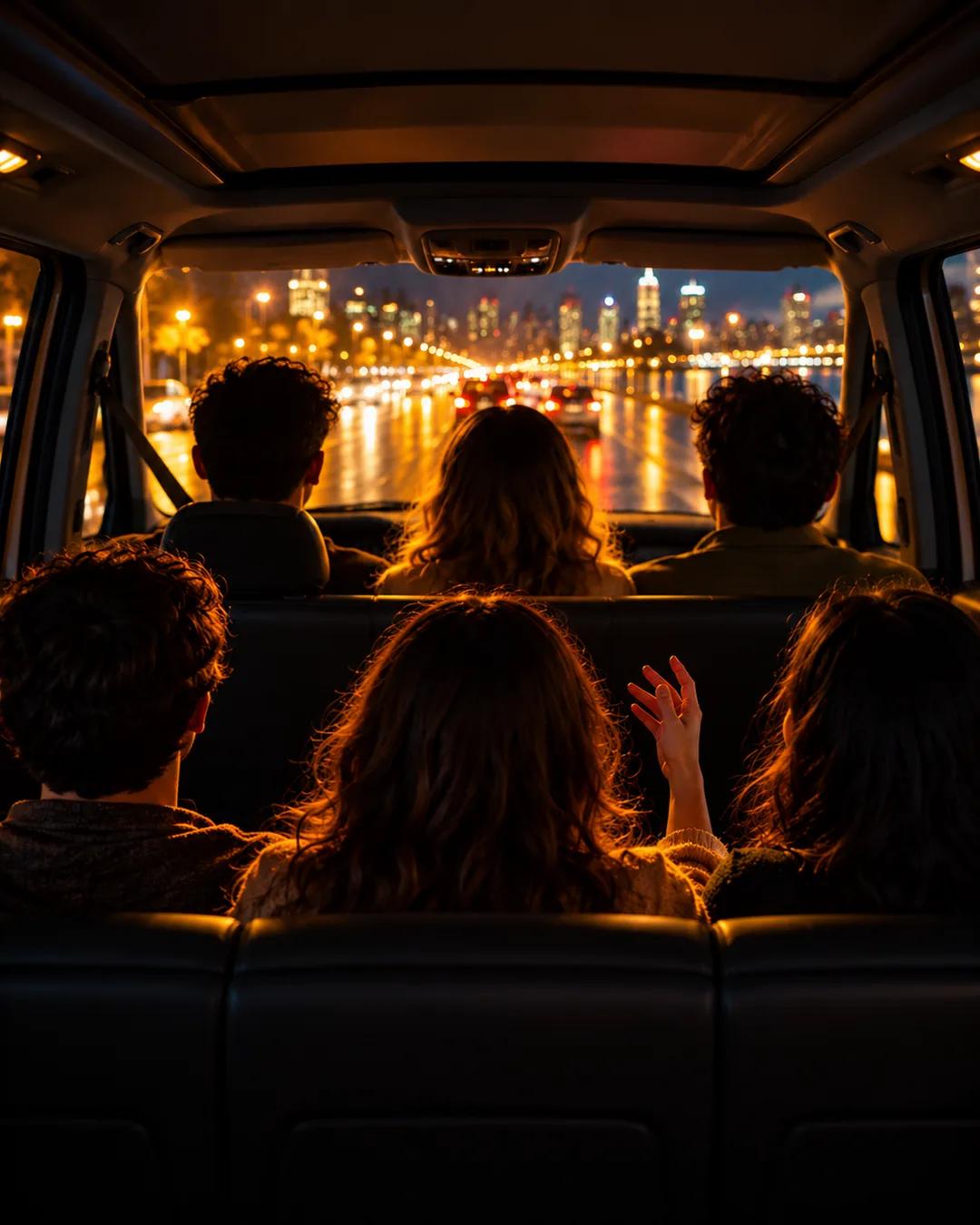
A friend group's single six-person Uber
The weekly request
Planning an evening with friends usually depends on one person starting a group chat, someone declining, and the plan falling apart. This group instead asks Instinct each week to come up with something interesting that everyone likes, and makes it a different experience every time.
Picking the event
Instinct checks when everyone is free and what each person likes. With their Spotify histories connected, it picks concerts based on music taste and checks which shows are available.
One shared ride
For the six of them it ordered one Uber and sent it around to collect each person, telling one person the car would arrive in ten minutes and the next in five. It found the optimal route to pick up everyone, so the group shared one ride and split one fare.
Why do group plans fall apart?
When nobody owns a task, each person tends to assume someone else will handle it. The psychologists John Darley and Bibb Latané documented this in 1968 experiments on bystander intervention, finding that people were less likely to act when others were present. Group chats reproduce the effect, since a proposal can sit unanswered while everyone waits for another person to commit. Social psychologists call this diffusion of responsibility.
How does one car pick up six people?
Finding the best order to visit many stops is known as the vehicle routing problem. George Dantzig and John Ramser formalized it in 1959 as the truck dispatching problem. The number of possible orders grows so fast with each added stop that software usually searches for a very good route rather than checking every one. Ride-hailing apps solve versions of this problem all day.
More from Invest Like the Best with Patrick O'Shaughnessy