Korva is a scroll of the internet’s best ideas.
A gaffe is saying something true

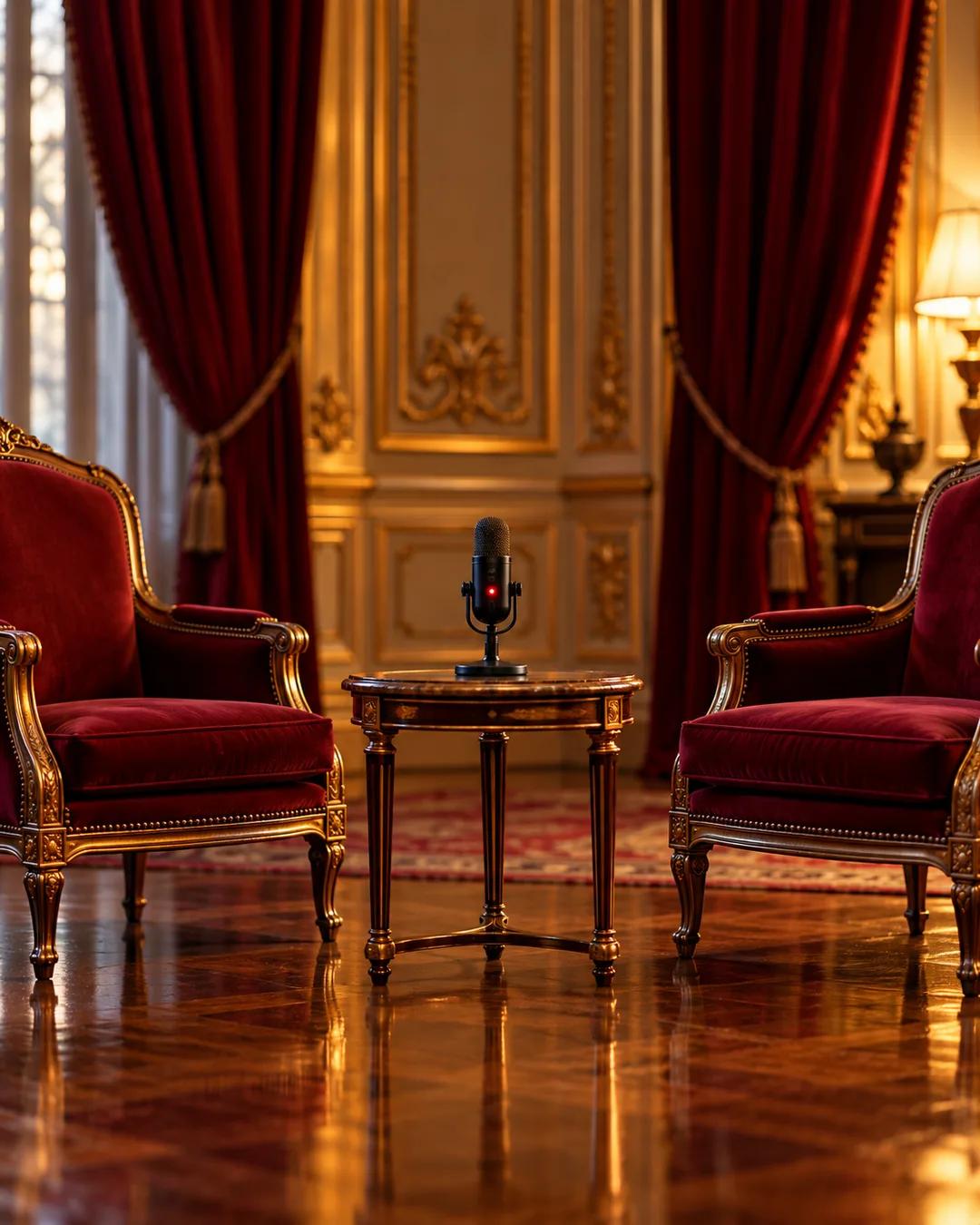
The hot mic
In 2011, a hot mic caught President Barack Obama and French President Nicolas Sarkozy talking about Israeli Prime Minister Benjamin Netanyahu. Sarkozy told Obama he could not bear Netanyahu and called him a liar. Obama replied that Sarkozy was fed up with him, but he had to deal with him every day.
Why leaders perform
The exchange came close to an international incident, even though everyone already knew how leaders felt about each other. The default rule between party leaders, and between heads of state, is a show of mutual admiration and respect.
The show has a job. Agreements get negotiated more easily when two parties see themselves in a communal relationship, which lubricates getting to yes. Private remarks then become risky, because they can break the norm that defines the public relationship.
Why do leaders stage mutual admiration?
Psychologists Margaret Clark and Judson Mills distinguished communal relationships from exchange relationships in 1979. In communal ones, people give according to need without keeping score. In exchange ones, benefits are expected to be repaid in kind. Diplomacy tends to borrow the communal tone so that requests do not look like deals being tallied.
How do hot mics catch leaders off guard?
In August 1984, President Ronald Reagan was testing a radio microphone before a broadcast address when he joked that he had signed legislation outlawing Russia forever and that bombing would begin in five minutes. The remark was recorded and later leaked to the press. The Soviet news agency Tass condemned it as unprecedentedly hostile. Reagan gave the speech without incident.
Where does the definition of a gaffe come from?
Michael Kinsley, a journalist who edited The New Republic, wrote that a gaffe occurs when a politician tells the truth, some obvious truth he is not supposed to say. The line caught on because it describes a common pattern in press coverage. Reporters tend to treat an unscripted honest remark as a story, and the ensuing coverage rewards scripted speech.
More from Hidden Brain