Korva is a scroll of the internet’s best ideas.
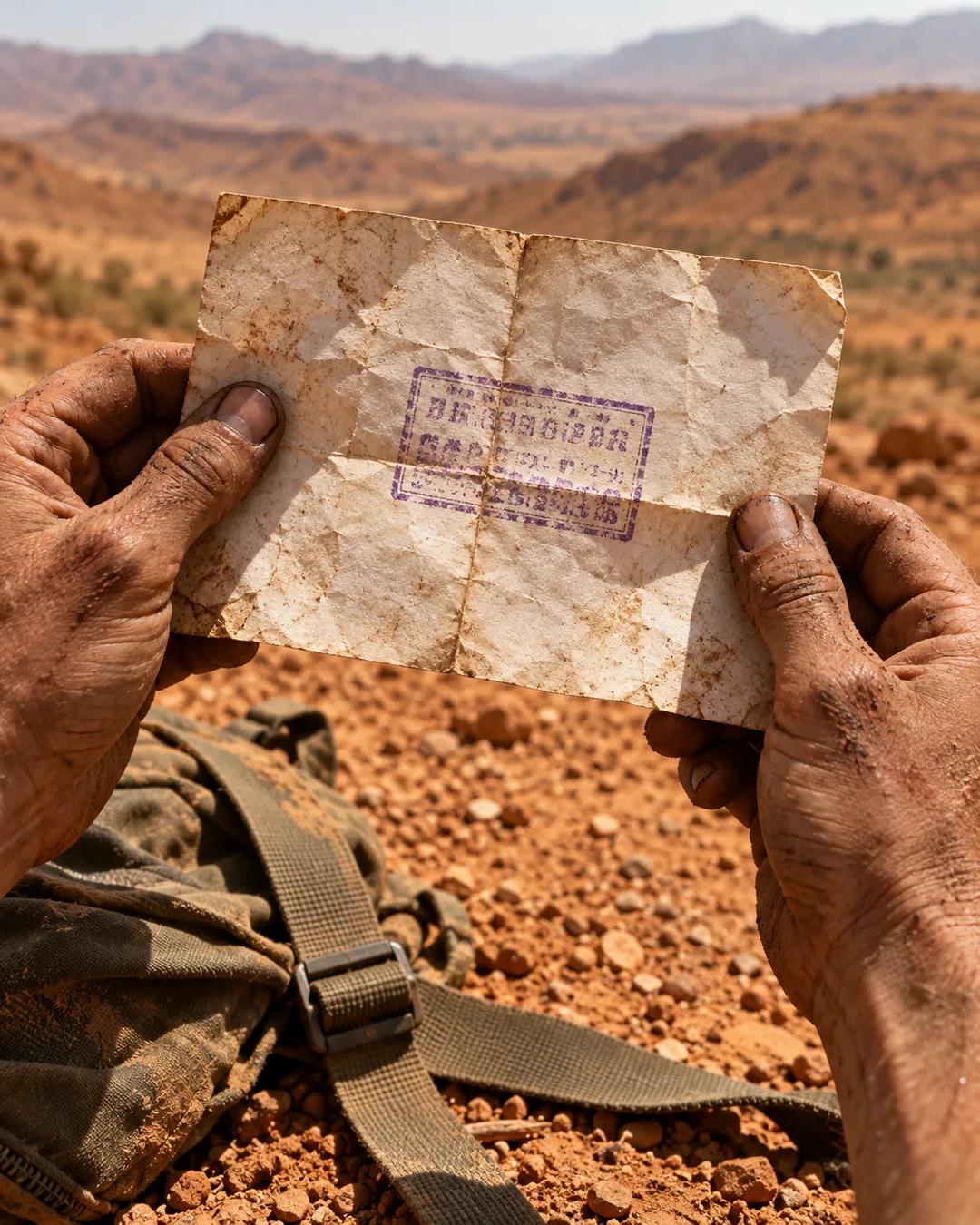
A governor's stamp saved him

The mine
The mine sat in the hills north of Kambove, run by a militia, with about 15,000 people in one pit, almost all of them children. It is classed as industrial, meaning only heavy equipment is supposed to work it, and it appears near the bottom of the supply chain disclosures of every tech and EV company.
The stamp
Siddharth Kara, researching the cobalt trade, had been told by a local colleague to get a stamp from the governor's office of Haut-Katanga Province on his visa paperwork and carry it everywhere. The stamp tells any militia the holder is under the governor's protection, which means they might rough him up but will not do the worst. He had persuaded the governor that he was there to find the truth, not to shame the Congo.
The militiamen
Militiamen came barreling up the hill with rifles, threw his backpack off him, shoved him to the ground, and demanded his phone to look for photos and videos. His guide's face went pale. He unlocked the phone and showed pictures of his home and his daughter, while the footage sat in a password-protected folder they never found. Then he pulled the stamped paper from the folder on the ground and held it up, and the militiamen told them to get out of there.
Why do militias control Congo mining sites?
Armed groups in Congo have funded themselves from minerals since the wars of the late 1990s and early 2000s. A United Nations panel of experts documented this exploitation of the country's natural resources in reports between 2001 and 2003. Congo is roughly the size of Western Europe, and state presence in remote mining areas has long been thin. Where officials are absent, whoever holds the road and the pit controls the trade.
Why does Congo supply so much cobalt?
The Central African Copperbelt, which runs across southeastern Congo and northern Zambia, holds some of the richest copper and cobalt deposits known. Cobalt is mostly a byproduct of copper and nickel mining, so it comes out of the ground where those metals are found. The United States Geological Survey has estimated that Congo accounts for most of the world's mined cobalt in the early 2020s.
Why do artisanal miners dig on industrial concessions?
Congo's 2002 mining code separates industrial concessions, held by companies, from designated zones where artisanal digging is allowed. The richest ore often lies inside the industrial concessions, which draws diggers to them anyway. Diggers sell their output to traders who buy at depots near the mines. The code created the artisanal exploitation zones to bring small-scale mining into a legal channel.
More from The Joe Rogan Experience