Korva is a scroll of the internet’s best ideas.
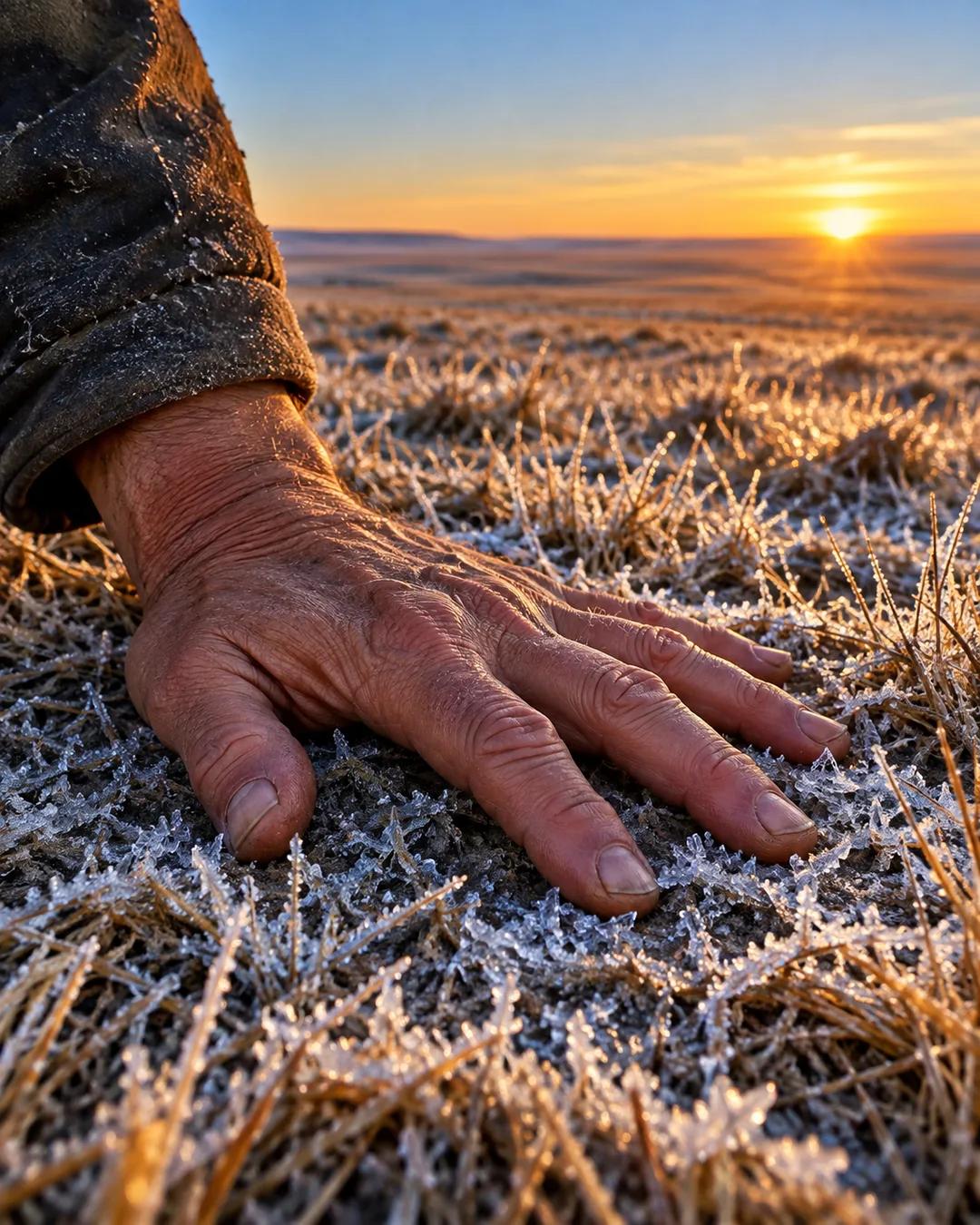
A herder dated the kidnapping

Asking the Herders
The Mongol chronicle is exact about places, but it does not give the season of the raid, and the season mattered for dating the events that followed. The herders were sure it was winter. They had not read it anywhere. Granny Khokhkhi had been on the ground and felt the vibrations of horsemen coming, and in summer the ground is too soft for that.
A Winter Raid
It fit the winter raiding season too, and it gave a time base for working out many other events. On the steppe, with no road, sign, building, or power line, the land looks as it did in Genghis Khan's day, and the only direction an attacker could come from becomes clear.
The Open Steppe
The steppe is open in every direction, like being at sea, with a fresh wind blowing down from Siberia and the Arctic. When there is no grass, there is dust.
Why do hoofbeats carry farther in winter?
Frozen ground is stiffer than soft summer soil, and vibrations travel through stiff ground faster and with less loss. A herd of horses striking frozen ground sends tremors that a person lying on the ground could feel from a distance. In summer, soft earth absorbs the shock. The cold also freezes streams, making crossing easy.
How do historians date events in the Secret History?
The chronicle dates events by the twelve-year animal cycle, such as the year of the mouse or the year of the ox. The cycle repeats every twelve years, so a year name alone could mean several dates. Historians match events to outside records to fix the year. Without a season for the raid, the cycle alone could not tell them what came next.
What brings the cold wind to the Mongolian steppe?
In winter a large mass of cold, dense air called the Siberian High settles over northern Asia. It pushes freezing winds south across Mongolia. Winter temperatures in northern Mongolia can drop below minus thirty degrees Celsius. The same air mass brings dry, dusty weather in spring.
More from Lex Fridman Podcast