Korva is a scroll of the internet’s best ideas.
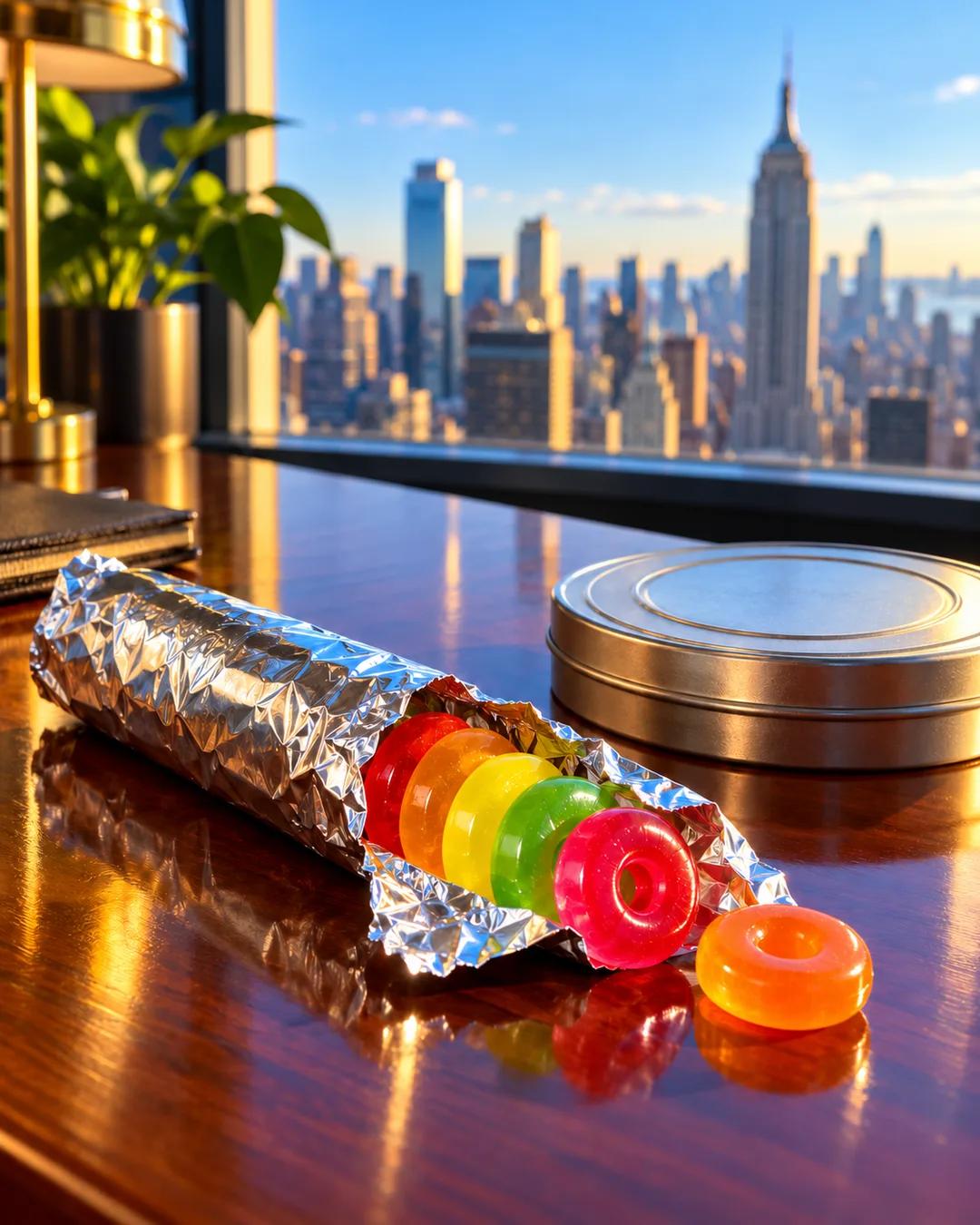
A Lifesavers pack taught Walt branding

The pass came after Steamboat Willie had already thrilled New York, and Walt took the lesson to heart: from then on, audiences would know his name if they liked the picture. He struck a deal with Pat Powers, his sound-technology partner, to act as Disney's distribution agent in exchange for 10 percent of the gross on the Mickey cartoons.
In 1930, Powers convinced Iwerks to quit Disney and set up his own studio, the same move Charles Mintz had made against Walt two years earlier. This time it barely registered. More than a dozen sound Mickey cartoons were already out, each branded prominently at the front and the end as a Walt Disney comic, and audiences still wanted the Mickeys and the Walt Disney comics. Disney moved its distribution first to Columbia and then to United Artists.
How did Lifesavers become a household name?
Clarence Crane, an Ohio candy maker, introduced the ring-shaped mint in 1912. Edward Noble bought the business and wrapped the candy in foil rolls to keep it fresh. Heavy advertising spread the name nationwide. Noble later bought the Blue Network, which became ABC.
What happened to Iwerks's own studio?
Iwerks Studio ran from 1930 to 1936. It produced cartoon series including Flip the Frog and Willie Whopper, distributed by outside companies including MGM. The studio never matched Mickey's popularity. Iwerks returned to Disney in 1940.
More from Acquired