Korva is a scroll of the internet’s best ideas.
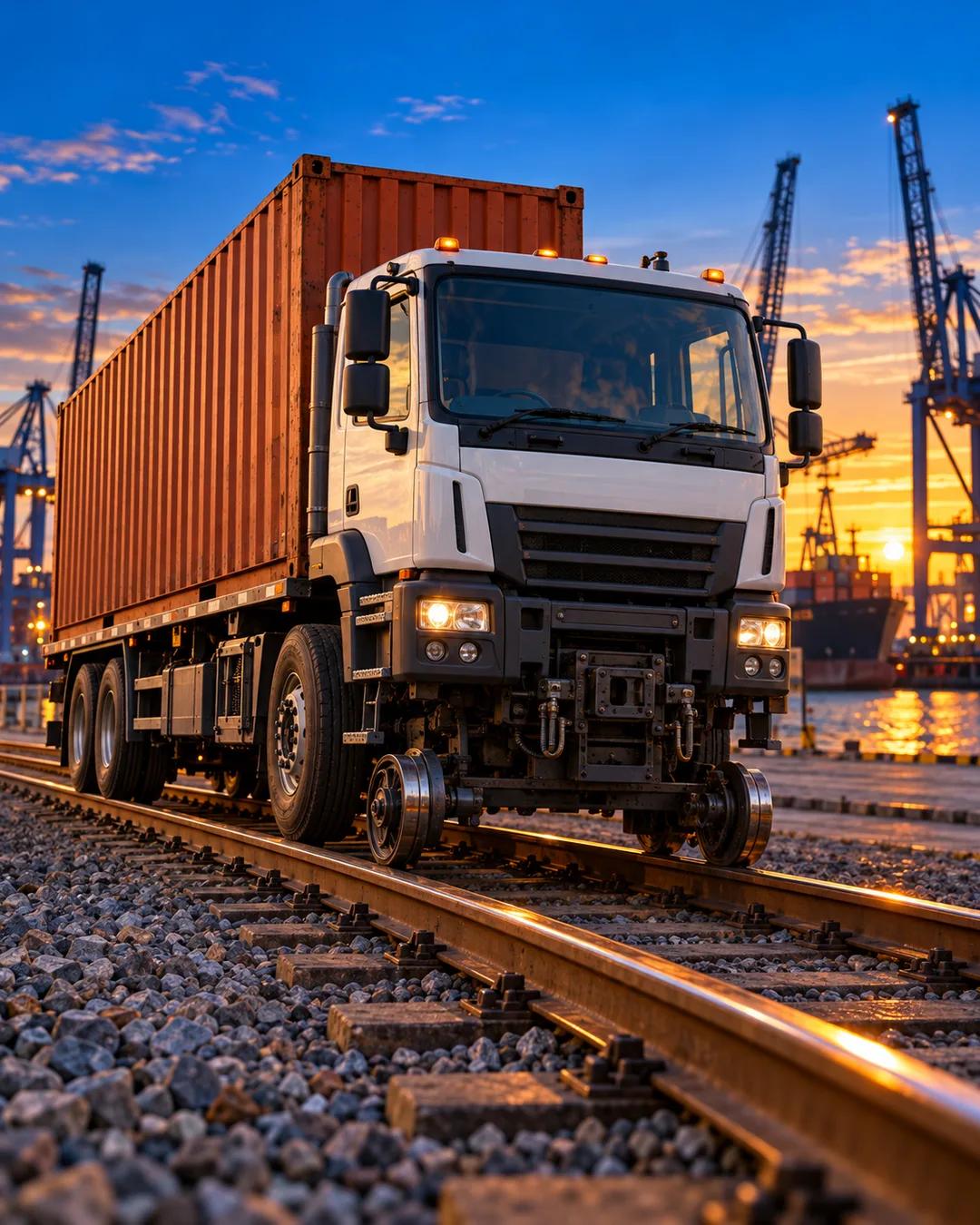
A self-driving truck that rides rails

What the vehicle does
Glide built the first road-to-rail autonomous vehicle. It collects the cargo container at the shipyard, drives itself to the railroad, sets itself up on the tracks, and changes the wheels. It rides to wherever the cargo is headed, then picks itself up and drives the container somewhere else.
How it got funded
The startup's first check was $200,000. That money built the first prototype, and the prototype was enough to raise a $3.5 million round off the back of it in six months.
Hardware and deep tech once looked like a poor fit for a 10-year venture fund, since it might take 15 or 20 years for breakthroughs to happen. Glide went from first check to prototype to a funded round in half a year.
How can one vehicle drive on road and rail?
Road-rail vehicles, often called hi-rail trucks, carry retractable steel wheels with flanges that keep them on the track. Railway maintenance crews have used them for decades to inspect and repair track. The vehicle drives to a crossing, lowers the rail wheels, and lifts the rubber tires off the ground or lets them ride along. A truck set up this way can leave the track at any crossing where the ground is level.
Why move shipping containers by rail at all?
Standard shipping containers were designed to move between ships, trains, and trucks without unpacking the cargo. Trains move freight with far less fuel per ton than trucks, according to the Association of American Railroads. A single train can carry the load of hundreds of trucks. That is why long-distance container traffic in the United States leans heavily on rail.
Why is the last stretch of freight so costly?
Rail yards sit in a limited number of places, so containers usually need a truck for the first and last miles of a trip. This short truck leg is known as drayage. It involves waiting at gates, pickups, and drop-offs, and industry analysts often cite it as a large share of the total cost of a rail shipment. Shorter rail hauls feel that cost most, because the fixed trucking cost is spread over fewer rail miles.
More from Inside Startup Funding