Korva is a scroll of the internet’s best ideas.
A spilled smoothie boosted likability

The mall demonstration
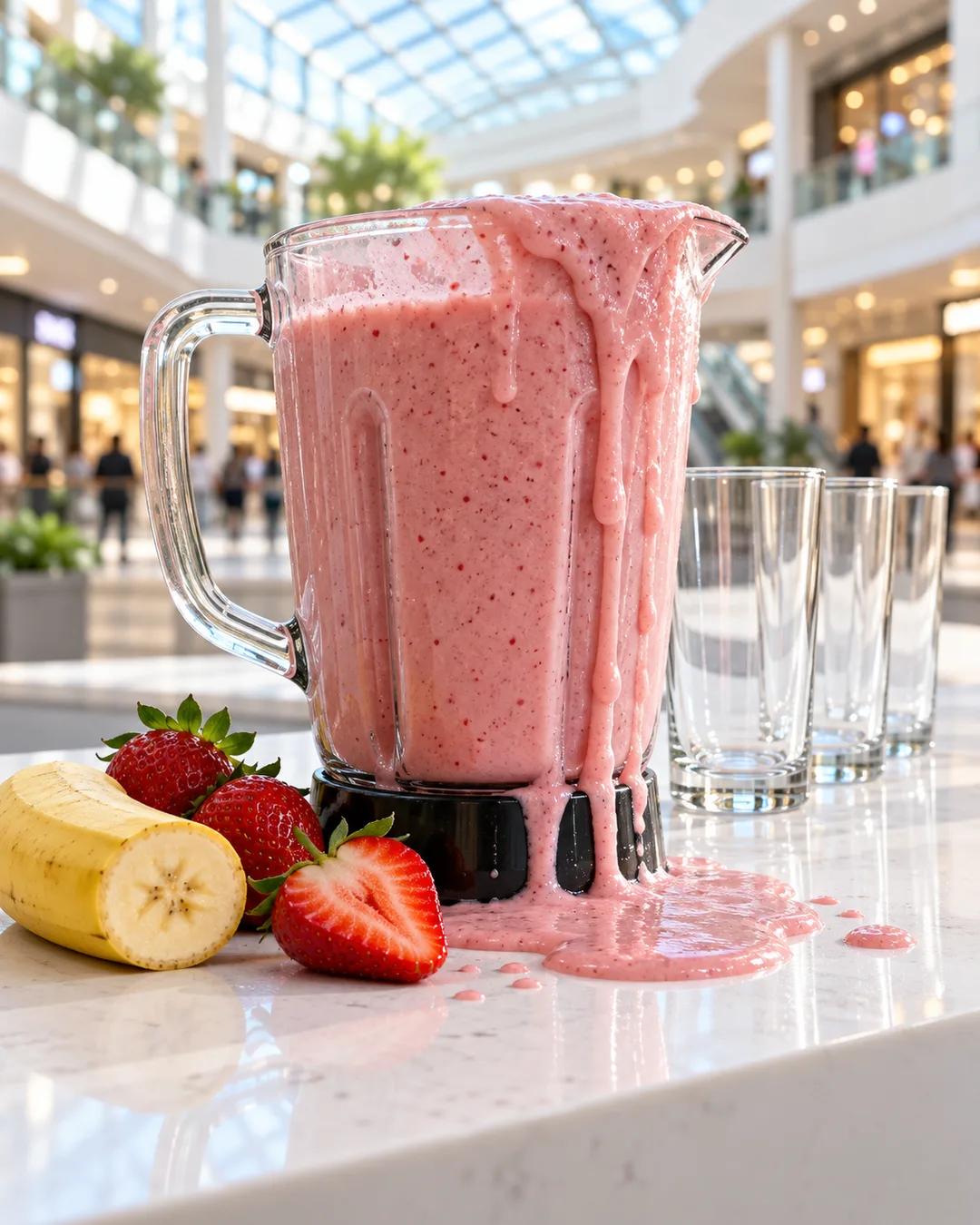
A researcher sent an actress into a mall to run a smoothie demonstration, with blenders as her pretend product. In some runs she blended strawberries and bananas flawlessly and poured everyone a glass. In others she dripped or spilled the smoothie, apologized once, and carried on without making a big deal of it.
Everyone in the mall rated her on likability. The people who watched the spill rated her as more likable.
Why flaws help
People know that no one is perfect, and they know that someone trying hard to impress them might be covering something up. A small, openly admitted flaw reads as honest. Small admissions work the same way in conversation: telling a stranger at a wedding 'I'm starving,' or asking at a loud bar whether their feet are killing them too, makes both people feel like themselves.
Why do small flaws make people likable?
In 1966 Elliot Aronson and colleagues had students listen to a recording of a quiz contestant who answered nearly every question correctly. Some students then heard the contestant clumsily spill coffee on himself. Those who heard the spill rated him more attractive than those who heard the flawless version. The finding became known as the pratfall effect.
Can a mistake ever backfire?
In that same 1966 experiment, a contestant who answered only some questions correctly was rated less attractive when he spilled coffee than when he did not. Of all four versions, the average contestant who spilled was rated lowest. The effect appears to depend on a person already looking competent.
More from The Mel Robbins Podcast