Korva is a scroll of the internet’s best ideas.
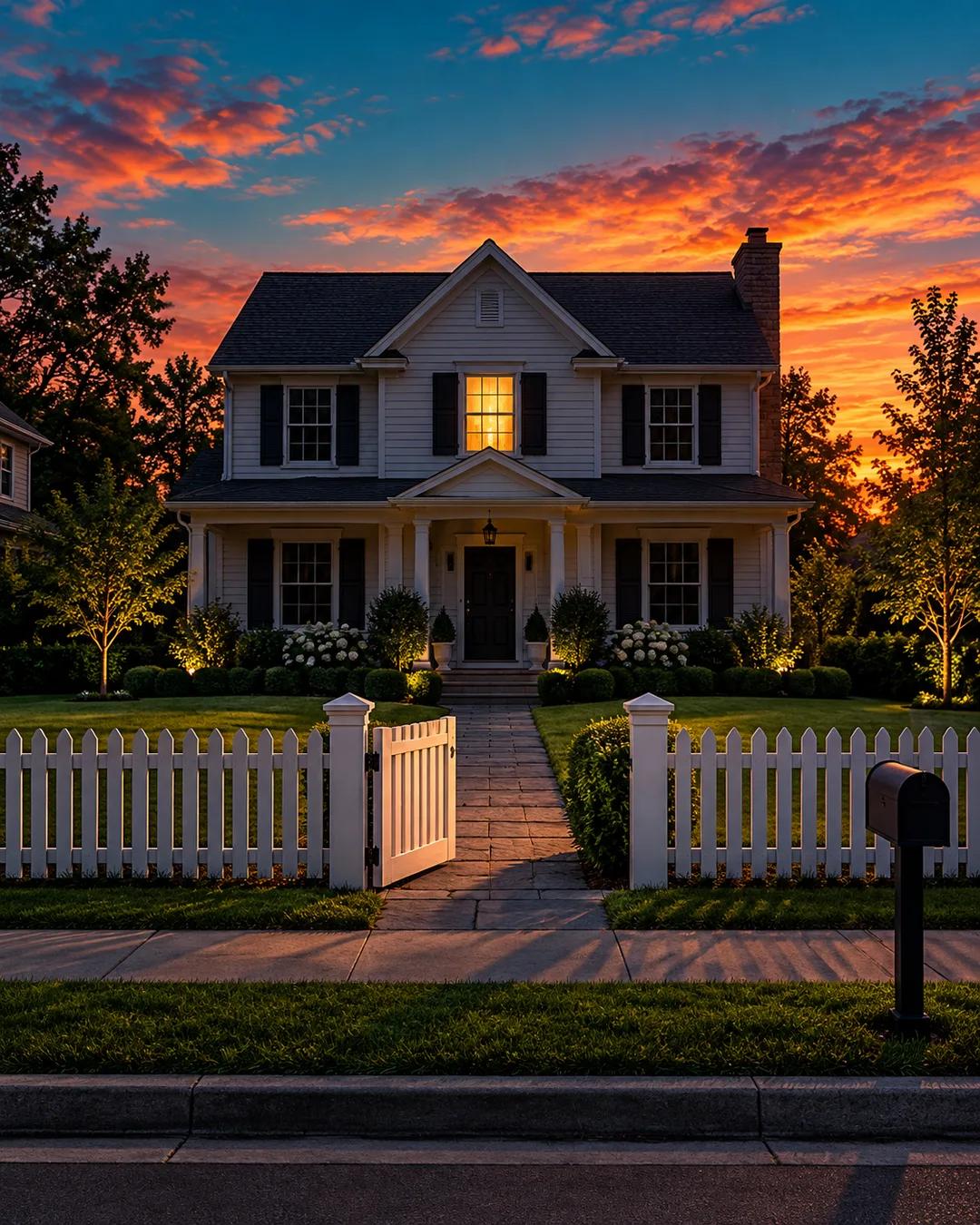
A suburban house sells thrillers

One day the poster for the series Safe shows its star, Michael C. Hall. The next day it shows two women, and the day after that a suburban street or a cop. The apparent aim is to find the image that fits each viewer's personal algorithm and to see what hits.
Netflix likes to play a guessing game with that author, Harlan Coben, whose books have become twelve of its series: which poster did best? His own guesses never land on the right one, because the winner has no appeal at all for him. It is always a house, a suburban scene, or a gate in front of a house.
Those images signal that something in suburbia is about to be disturbed, and that disturbance is the appeal of his shows.
How does Netflix choose which poster to show?
Netflix engineers described in a 2017 company tech blog post that each title has many candidate images, and the system learns which one gets a given viewer to press play. The method is a kind of experiment called a contextual bandit, which keeps testing options while mostly showing the one that has worked best so far. A viewer's past watching feeds the choice, so two people can see different art for the same title. The post's own example was that a viewer who watched many romances might be shown a romantic image for Good Will Hunting, while a comedy fan might be shown Robin Williams.
Why does a suburban house signal danger?
Stories set in neat suburbs rely on contrast, because a calm surface makes any disturbance stand out. The genre has a long line, including Alfred Hitchcock's 1943 film Shadow of a Doubt, in which a murderer comes to stay with his family in a small California town. David Lynch's 1986 film Blue Velvet opens on white picket fences and bright lawns before the camera drops into the grass to show insects crawling beneath. Critics often group this kind of work under the label suburban gothic.
More from Freakonomics Radio Network