Korva is a scroll of the internet’s best ideas.
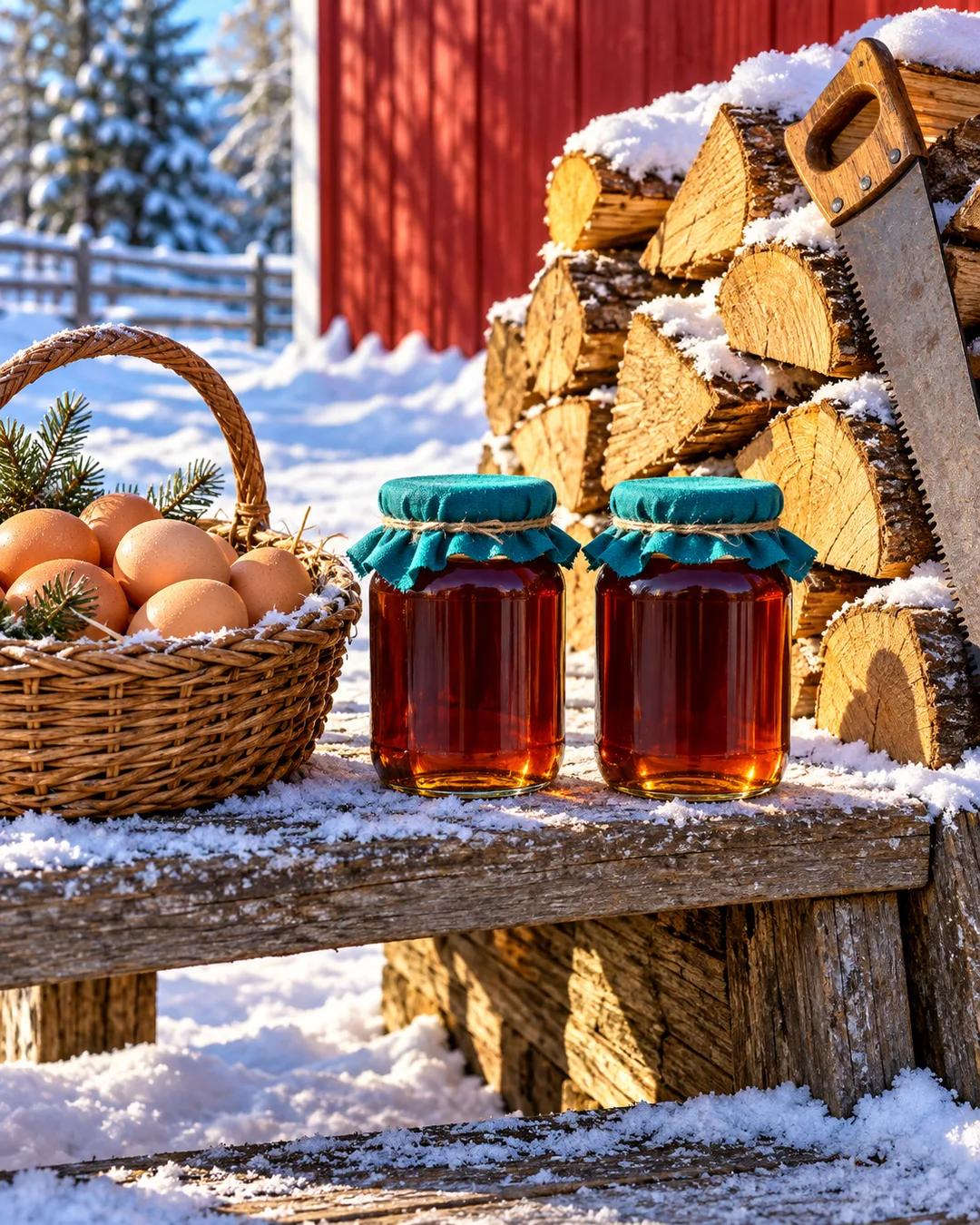
A teenager sold eggs, firewood, syrup

Raymond Plank's first business was selling eggs, which taught him early lessons in marketing and sales. By high school he was also sawing down trees with a hand saw, since power saws did not exist yet, and stacking, selling, and storing the firewood.
Some of the trees produced sap. He extracted it, boiled it down, and made gallons of syrup to sell as well. With the syrup business thriving alongside his chickens, he sold to local grocery stores and to meat markets around Minneapolis, where he lived.
His father praised his ventures and was very enthusiastic about them. The self-sufficiency of farm life mattered when the Great Depression arrived: his father came home from the office one night and announced that his net worth had been wiped out. The family still had food, much of it raised themselves, clothing, and a mortgage-free home. His father had credit and credibility as an honest businessman and was scrupulous about paying his bills.
How does maple sap become syrup?
Sap runs when nights freeze and days thaw, which creates pressure that pushes it out of the tree. Raw sap from sugar maples is only about two percent sugar. According to the USDA, it takes roughly forty gallons of sap to make one gallon of syrup. Boiling drives off water until the liquid reaches about 66 percent sugar, the standard density for finished syrup.
How did farm families get through the Depression?
According to the Census Bureau, about one in four Americans lived on farms in 1930, and many of those households could feed themselves even when cash vanished. Farm prices fell steeply in the early 1930s, so crops often brought less than they cost to grow. Bank failures wiped out savings, with more than 9,000 banks failing from 1930 through 1933, according to the FDIC. Unemployment reached about 25 percent in 1933, according to the Bureau of Labor Statistics.