Korva is a scroll of the internet’s best ideas.
A third of drugs get a second use
Why drugs reach many places
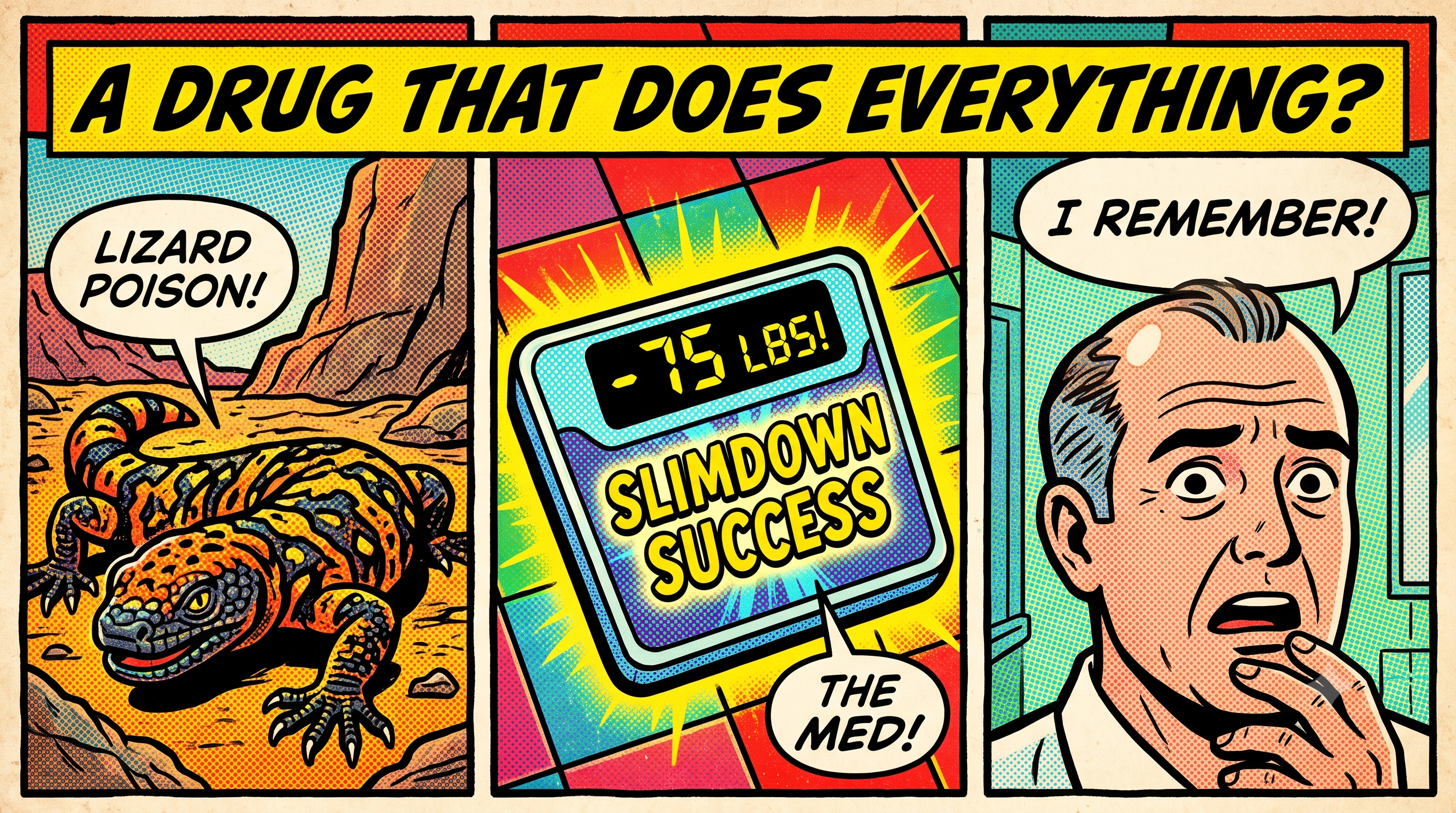
Small molecules reach nearly everywhere in the body, and many act on several different receptors, which earns them the label promiscuous. Bigger drugs such as antibodies reach fewer places. Peptides like the GLP-1 drugs sit in between, and their receptors are found in the pancreas, the hypothalamus, the stomach, the heart, and the blood vessels, so one peptide produces many effects. A recent study that tested all the approved antibody drugs found about a third had an off-target effect too.
Shared pathways
Different diseases also share pathways. Many viral infections rely on similar viral enzymes, and many allergies run through similar routes, so a drug that blocks one can block another. Some benefits are downstream: treating obesity helps the heart. Mood conditions are treated in similar ways, which is why many antidepressants are also approved for anxiety.
Aspirin's late second act
Aspirin shows how late a second use can arrive. People had taken it for more than a century before it was established in the 1980s that it helps treat cardiovascular disease.
Why do small molecules bind so many targets?
Many proteins share similar pockets, so a small molecule that fits one often fits its relatives. The human kinase family has more than 500 members that grip the same energy molecule, ATP, in a similar way, so drugs aimed at one kinase often hit several. Imatinib, developed for a form of leukemia, also treats a type of gut tumor because it blocks a second kinase involved in that cancer. Small size also lets molecules slip through cell membranes and into tissues that larger drugs cannot reach.
How did aspirin turn out to protect hearts?
Aspirin permanently disables an enzyme called COX-1 in blood platelets, the cell fragments that form clots. Platelets have no nucleus and cannot make new enzyme, so the block lasts for their whole lifespan of about a week to ten days. That mechanism explains how a painkiller could also reduce clotting. British pharmacologist John Vane showed in 1971 that aspirin works by stopping prostaglandin production, a finding that earned him a share of the 1982 Nobel Prize in Physiology or Medicine.
Why do antidepressants also treat anxiety?
Depression and anxiety disorders share brain circuits that handle threat and mood, including the amygdala and its links to the prefrontal cortex. Selective serotonin reuptake inhibitors raise the amount of serotonin available between nerve cells, and that change eases both kinds of condition. The two conditions also commonly occur in the same person. Sertraline, for example, carries FDA approvals for depression, panic disorder, social anxiety disorder, and several other conditions.
More from Saloni Dattani