Korva is a scroll of the internet’s best ideas.
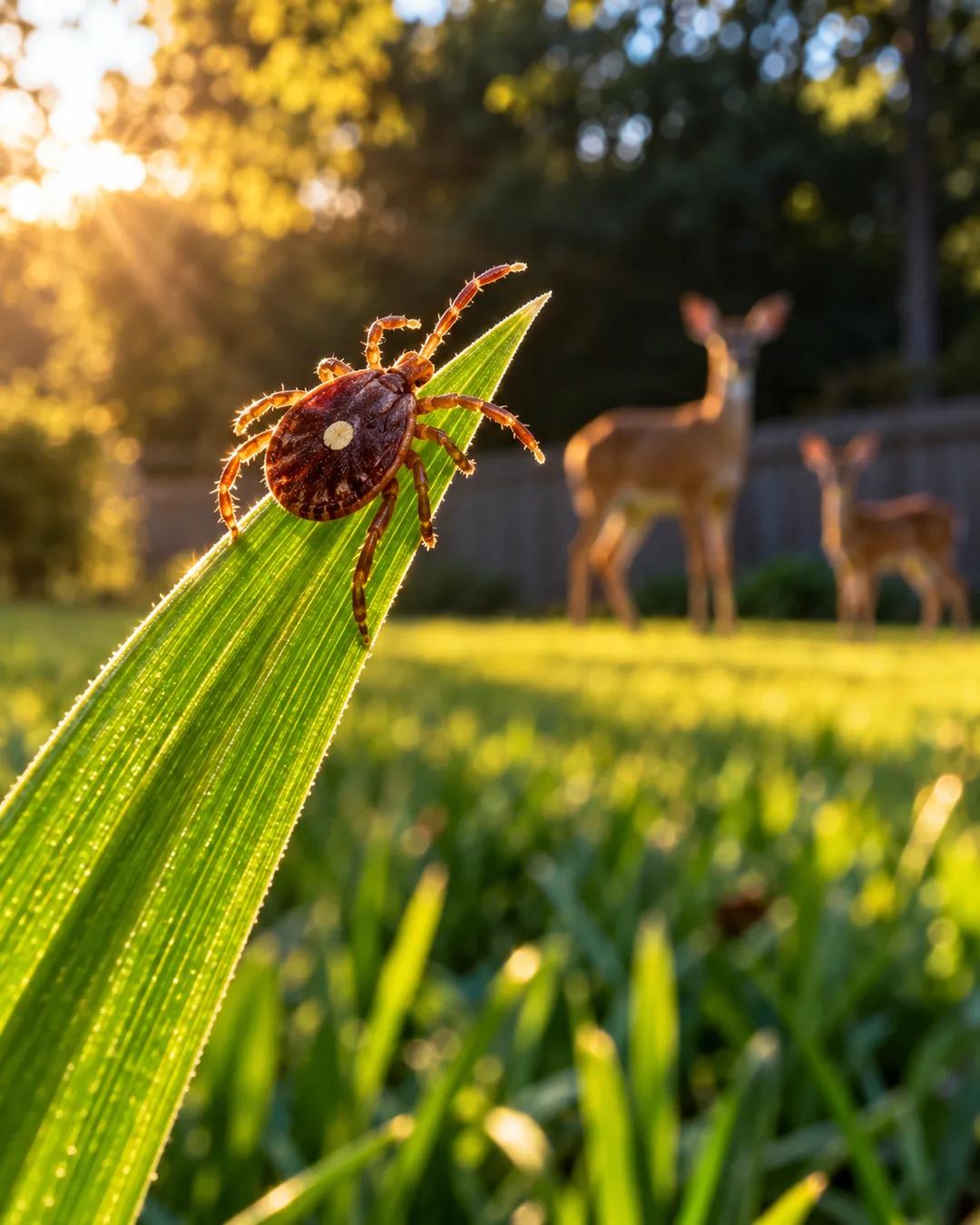
A tick bite can cause meat allergy

Three kinds of food allergy
Thomas Platts-Mills, a University of Virginia professor of medicine who has studied allergic disease for a long time, and his team found the connection. Alpha-gal syndrome is one of three forms of food allergy he separates out, alongside peanut and other immediate-reaction allergens and eosinophilic esophagitis, because their mechanisms and causes are completely different.
Why it is spreading
He and his colleagues believe the rise of alpha-gal syndrome traces mainly to the loss of dogs in suburban areas. Leash laws arrived in the early 1980s, and dogs could no longer get together to drive deer out. Now many lawns have a herd of deer, and the deer are covered with ticks, so many that hunters who shoot one cannot possibly count them.
Tick bite research is hot. Congress has voted money for it, which has helped fund grants on different aspects of the work.
How does a tick bite create a meat allergy?
The lone star tick carries alpha-gal in its saliva or gut contents, and a bite can prime the immune system to make IgE antibodies against it. Alpha-gal is a sugar found in nearly all mammals except humans and other primates. After sensitization, eating beef, pork, or lamb can trigger a reaction. The reaction is usually delayed by several hours, which makes the cause hard to spot.
Why is alpha-gal reaction delayed?
Alpha-gal is attached to fats and proteins that take hours to digest and travel through the bloodstream. Unlike a peanut protein, which is absorbed quickly, the sugar reaches the immune system slowly. Reactions to red meat commonly begin three to six hours after a meal. Researchers led by Thomas Platts-Mills at the University of Virginia described this delay in published work.
Why are deer so central to tick spread?
Adult lone star ticks feed mainly on large mammals, and white-tailed deer are their favored host. A single deer can carry hundreds of ticks. White-tailed deer populations in the eastern United States rebounded sharply over the twentieth century after near collapse. The lone star tick's range has also expanded north and west in recent decades.
More from Freakonomics Radio Network