Korva is a scroll of the internet’s best ideas.
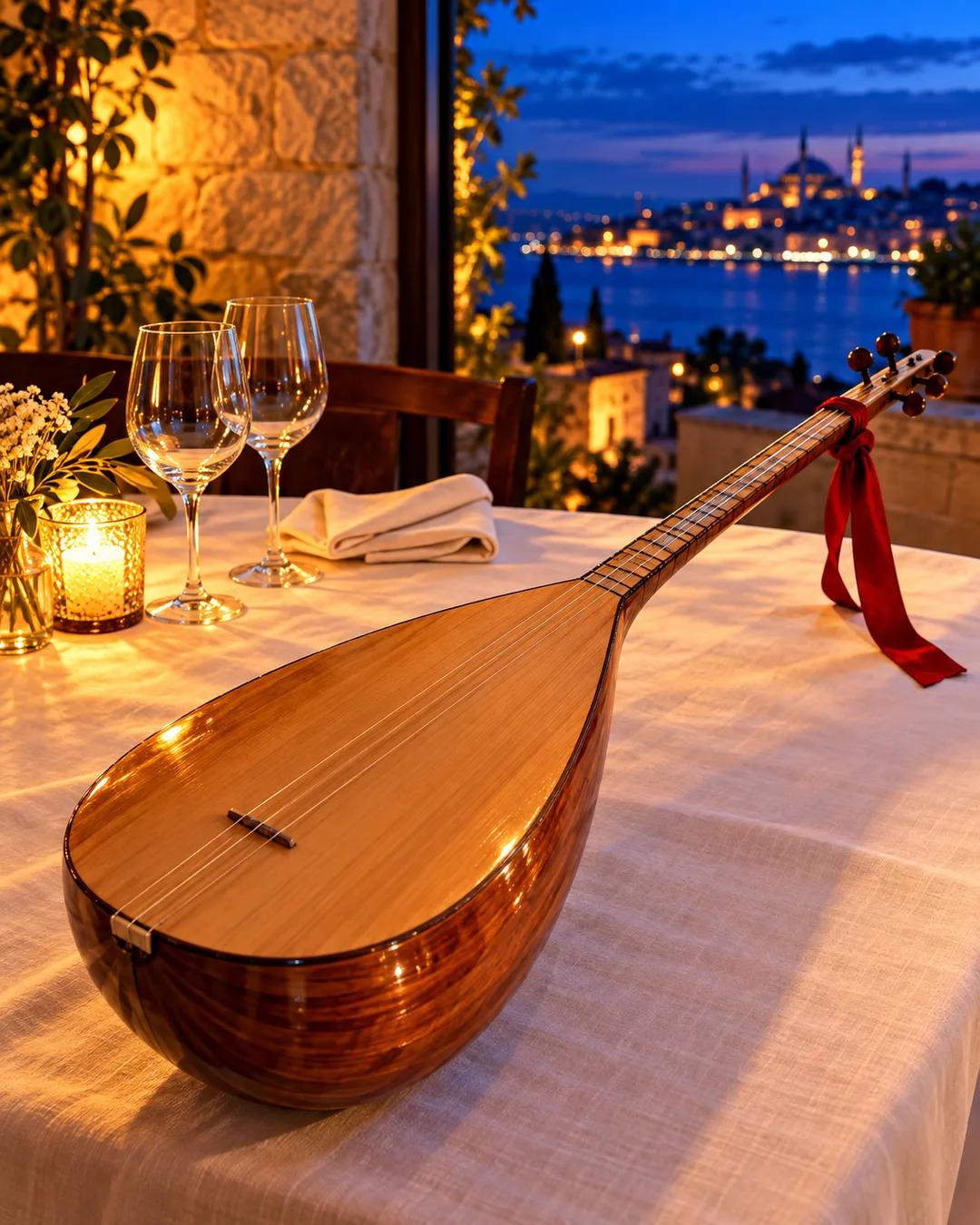

The candidate was based in New York. As the team got to know them, they learned the person had gone to a performing arts high school and trained as a classical violinist. Several people on the team happened to love stringed instruments.
One of the recruiters tracked down a specialty instrument store in New York City and picked out an unusual Turkish instrument that sits somewhere between a guitar and a violin. The gift was presented at the dinner where the candidate received the offer.
It cost a couple hundred dollars, which is small next to the size of the offer and the impact the team expected the person to have. Candidates who describe their best experience with a company often say it felt tailored to them, and a gift like this one is the kind of detail they mean. Cursor shares stories like it back to the whole company, which builds the company's culture of recruiting.
Why does a tailored gift land so strongly?
In his 1925 essay The Gift, the French anthropologist Marcel Mauss argued that gifts across many societies carry an expectation of return and bind people together. A gift chosen for one person shows that the giver paid attention to who they are, which an item of equal price picked at random cannot show. That is why the cost of a present often matters less to the person receiving it than the evidence of thought. Mauss drew his examples from Pacific and Pacific Northwest gift exchanges such as the Maori hau and the potlatch.
Why do so many cultures have stringed instruments?
Stringed instruments are among the oldest in the archaeological record. Lyres recovered from the Royal Cemetery of Ur in Mesopotamia date to roughly 2500 BCE. Lutes, which have a neck and a resonating body, spread across the Near East and later gave rise to instruments in Europe and Asia. The Turkish and Western instruments that look like cousins today share that long ancestry.
More from Lenny's Podcast: Product | Growth | Career