Korva is a scroll of the internet’s best ideas.
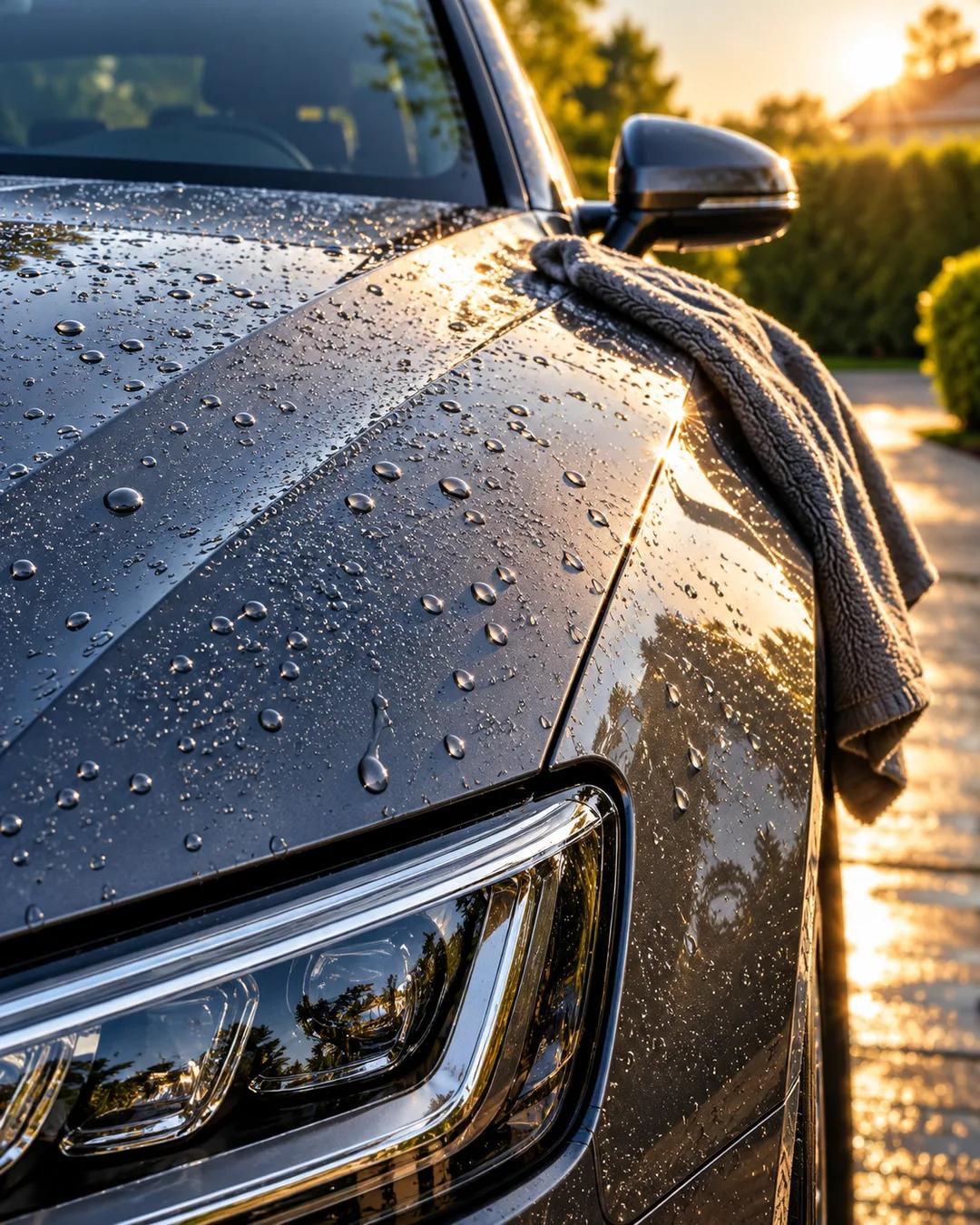
A washed car drives better

Nobody has changed the oil or done any work under the bonnet. Perception is leaky: people can't tell the difference between the quality of the food and the environment in which they eat it, or between the quality of a drive and the shine of the car. Do something perceptually bad in one respect, and it can damage the other.
Painkillers show the same leak. Branded analgesics are more effective at reducing pain than unbranded ones, and the difference holds in actual measured pain reduction as well as in reported pain.
Why does a clean car feel faster?
Edward Thorndike named the halo effect in a 1920 paper after finding that military officers who rated one trait of a soldier highly tended to rate his other traits highly too. An impression from one visible quality spills into unrelated ones. A car's shine is visible, while handling is not, so the visible quality colors the judgment. Thorndike's paper was titled A Constant Error in Psychological Ratings.
Does a label change how a painkiller works?
A 1981 study by Alan Branthwaite and Patricia Cooper, published in the British Medical Journal, tested headache remedies on more than 800 women. Branded aspirin gave more pain relief than unbranded aspirin, and the two contained the same ingredients. The label was the only thing separating the two.
More from TED