Korva is a scroll of the internet’s best ideas.
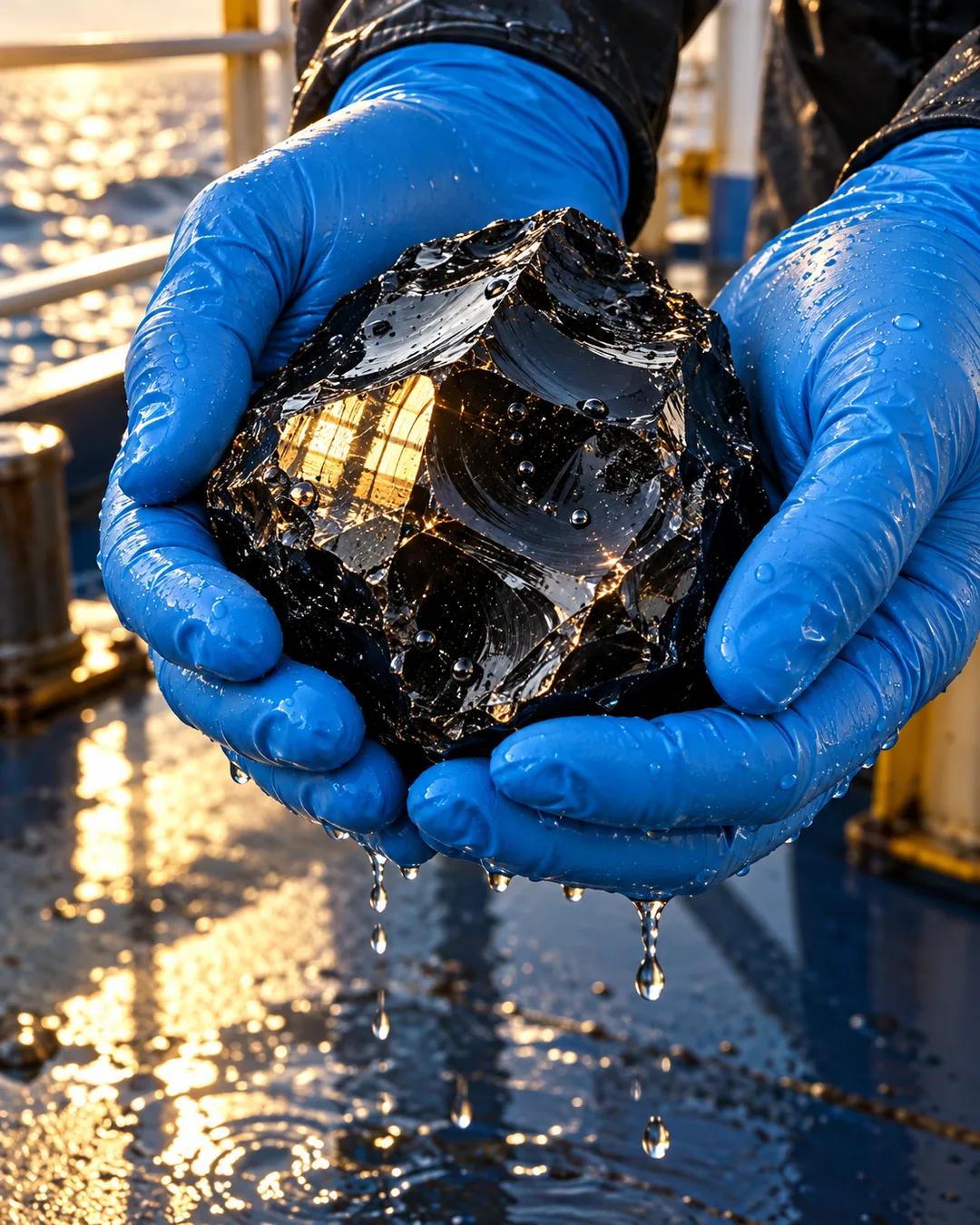
A year-old rock crackled

It was picked up with the Alvin submersible by a scientist who is not a geologist and grabbed it because it was shiny. It looked like obsidian, volcanic glass. A colleague at Woods Hole who is a geologist took one look and judged it really young, maybe a year old.
It was so fresh that it still had little gas inclusions, and they made it sound like Rice Krispies. Anyone who goes to a volcano is holding rock like that, a young magma baby. The same eruptions that make it build the sea floor, where animals live in total darkness.
How does lava turn into glass?
When lava meets cold seawater, its outer skin cools within moments. Crystals need time to grow, and a fast chill leaves the atoms frozen in a disordered arrangement, which is glass. This is why many sea floor lava flows have glassy outer rinds. Obsidian forms the same way when lava cools quickly on land.
Why does fresh volcanic glass pop?
Magma holds dissolved gas, and the amount that stays dissolved depends on pressure. When it erupts and cools, some of the gas is trapped as tiny bubbles in the glass. Bringing the rock up to the surface lowers the pressure around it, so the trapped gas pushes outward. The glass can crack, which makes the popping sound.
How can geologists tell a rock is young?
Fresh sea floor rock has a clean, glassy, unaltered surface. Older rock builds up a coating of manganese oxide and a dusting of sediment. Seawater also slowly alters volcanic glass into a duller, brownish material over time. A shiny rock with none of these features suggests a very recent eruption.
More from Ologies with Alie Ward