Korva is a scroll of the internet’s best ideas.
Abe deliberately weakened the yen

An earlier campaign
Japan had tried to pull in visitors before. In 2003, Prime Minister Junichiro Koizumi launched a campaign called Visit Japan, with a goal of lifting yearly foreign visitors from five million to ten million. The ad ran on the most stereotypical Japanese imagery a Western eye could imagine, and the campaign fell short because Japan was too expensive.
The yen move
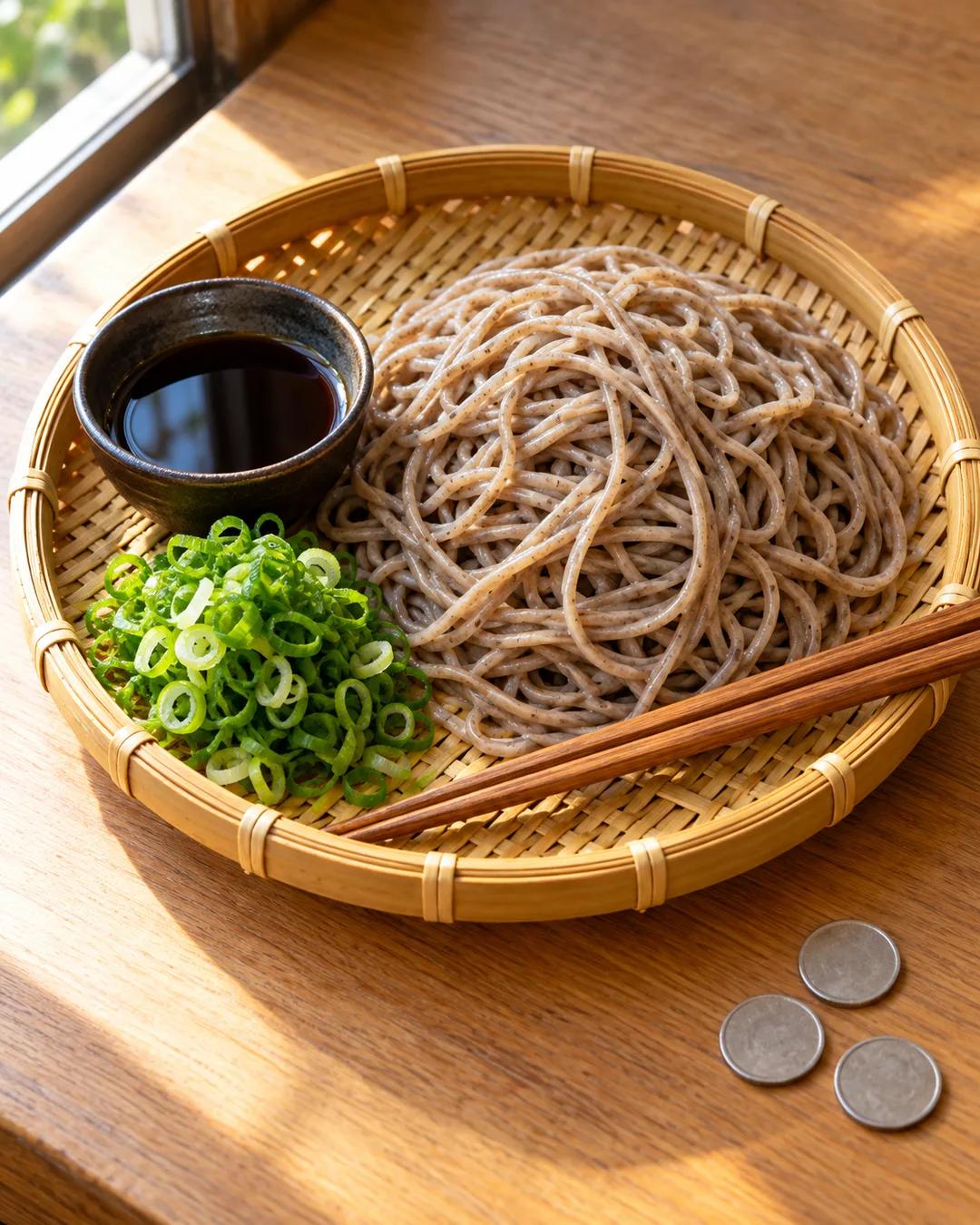
Abe came back to office as Prime Minister, and the yen move changed the math. The aim was exports, and the side effect was a country where a full, excellent soba lunch in Tokyo costs under ten dollars.
Visas and word of mouth
He went on to loosen entry rules. In 2013 he relaxed tourist visa requirements for visitors from Thailand and Malaysia, and soon after did the same for China and Indonesia. Asian tourists were the first big boom, with visitors from Taiwan, Hong Kong, Singapore, and Korea arriving through the 2010s, and English menus appeared at every restaurant. European and American tourists followed, with numbers exploding after COVID.
First-time visitors went home raving, told everyone around them to go, and began plotting their return. That word of mouth carried the rest.
How does a weaker yen help exporters?
Japanese exporters are paid in foreign currencies such as dollars. When the yen falls, each dollar converts into more yen, so revenue grows even if prices abroad stay put. Exporters can also cut prices overseas and sell more. Abe's economic program, nicknamed Abenomics, pushed the Bank of Japan to expand the money supply and aim for two percent inflation starting in 2013.
How did Japan finally hit ten million?
The Japan National Tourism Organization reported that foreign arrivals passed ten million for the first time in 2013, a decade after the Visit Japan campaign began. Arrivals kept climbing and reached about thirty-two million in 2019, before pandemic border closures cut them sharply. The government had set a target of forty million visitors for 2020, the year the Tokyo Olympics were originally scheduled.
Why did Asian visitors arrive first?
Seoul, Taipei, Hong Kong, and Shanghai are all within a few hours' flight of Tokyo or Osaka. Low-cost carriers expanded across the region during the 2010s, which made short trips cheap. Rising incomes in China and Southeast Asia in those years also put many more people in the market for foreign holidays. Japan National Tourism Organization figures show East Asian markets making up the large majority of arrivals through the decade.
More from Search Engine