Korva is a scroll of the internet’s best ideas.
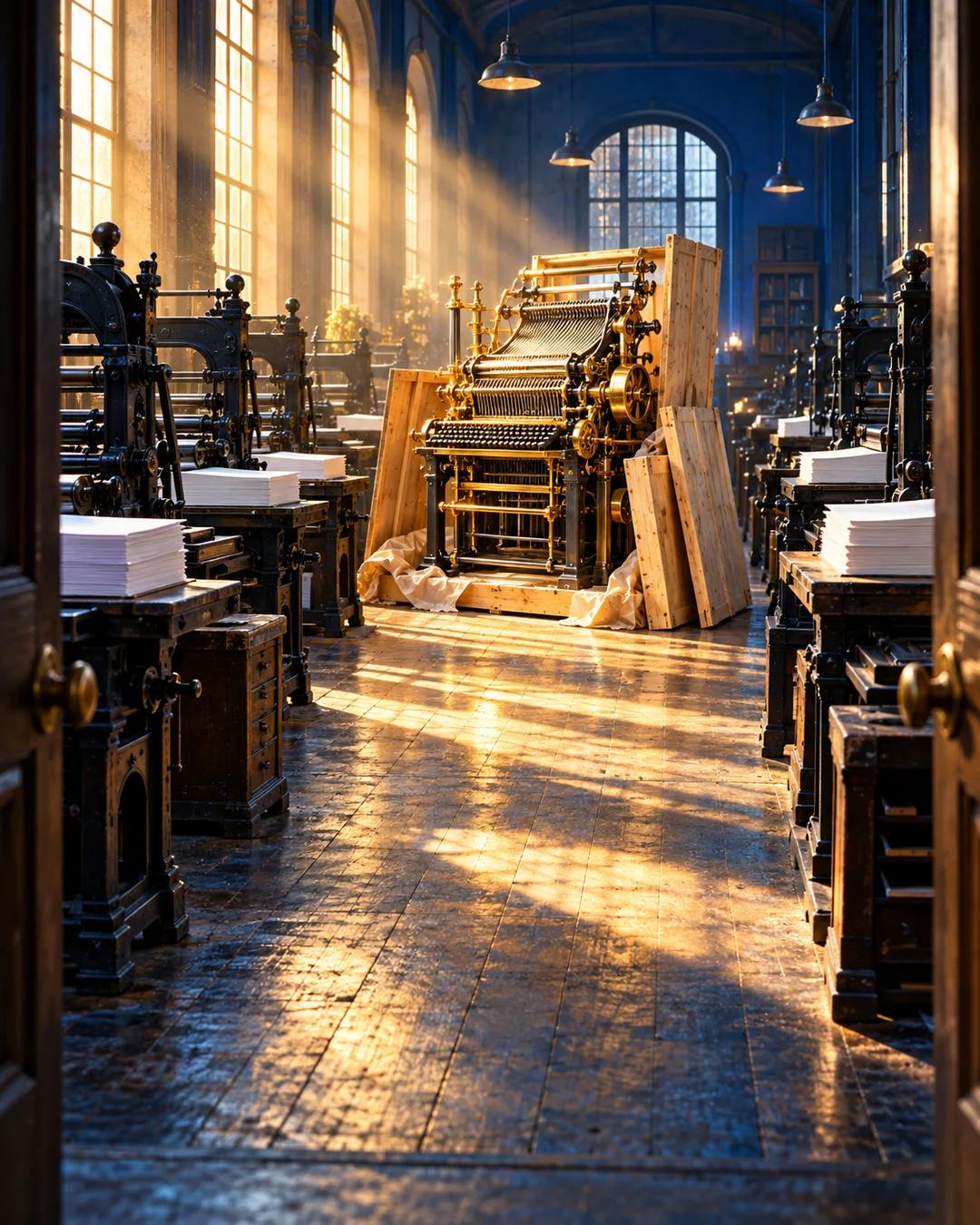
Adoption lags the inventor's forecast
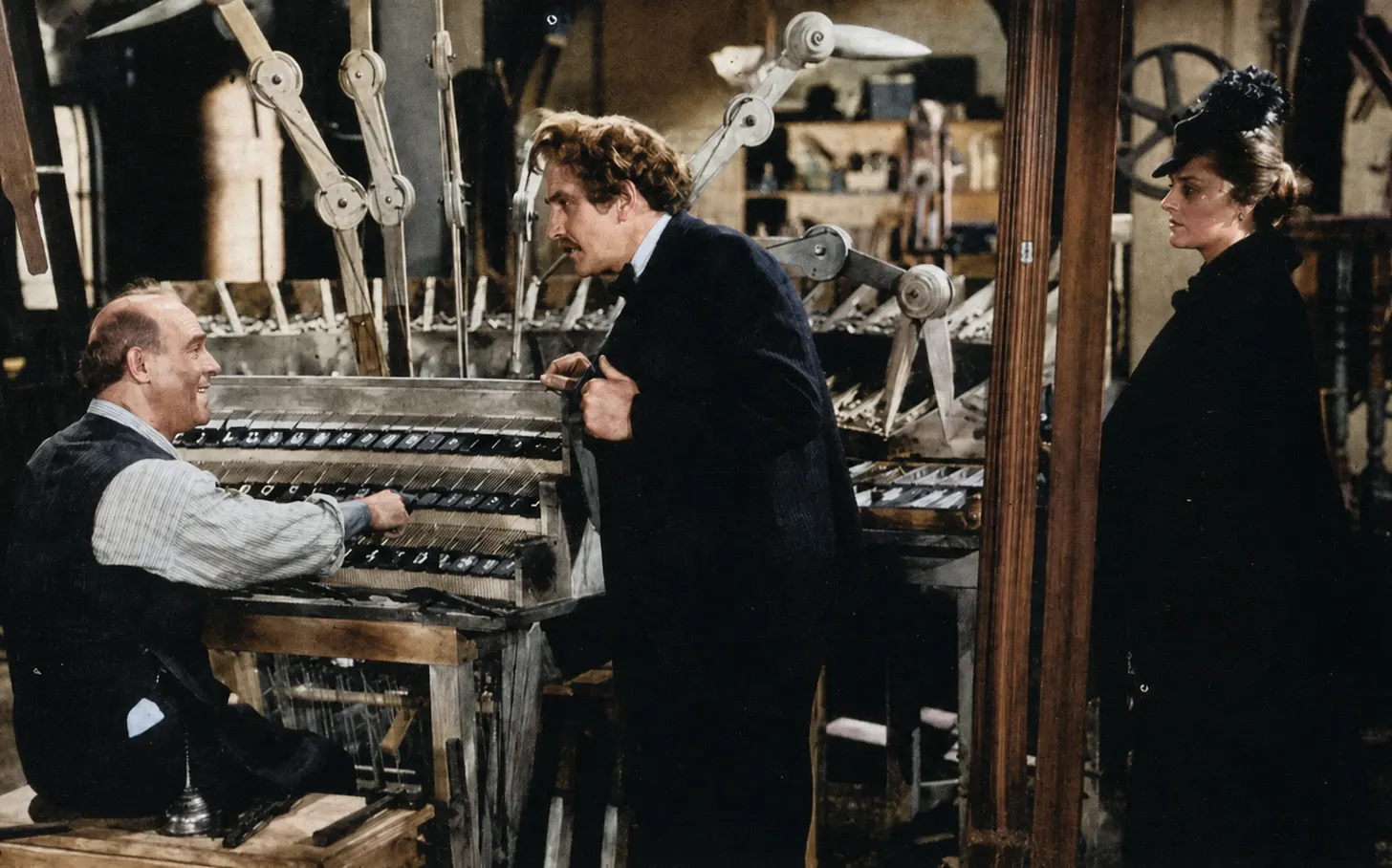
Twain's insider view
Twain felt he had an insider's perspective on publishing and could intuit how others in the trade would respond to the machine. But he was a printer's devil no longer. He was a famous, millionaire author, and that cushioned him from two views.
Two missing views
One was the view of the workers his machine might automate out of a job. The other was the view of the capital owners, who faced practical challenges of their own and were in no hurry to replace their costly existing machines with untested new ones.
The long wait
His housemaid later recalled how much he expected from the machine: he thought he'd make millions and own the world. His vision of hundreds of thousands of human-like language machines taking over the world would have to wait a century or two.
How long did factories take to benefit from electricity?
Economic historian Paul David studied this in his 1990 paper "The Dynamo and the Computer." Factories began installing electric motors in the 1880s, yet the productivity gains did not show up for decades. Steam-era plants were built as multistory buildings around a central power shaft, and benefits arrived only once owners redesigned their layouts around electric motors at each machine. The slow payoff is a standard example of how long a general-purpose technology can take to change an industry.
Why would printers hold off on buying new machines?
A printing plant represented a large sunk investment in presses, type, and trained staff. A new machine had to earn back its price and also cover the cost of disrupting a business that already worked. Owners also had to trust that the machine would run reliably, because a press that stood idle could mean missing a deadline for a customer. That is why adoption of a new machine often started with the buyers who faced the greatest labor costs.