Korva is a scroll of the internet’s best ideas.
Agents work best in folders

Where folders came from
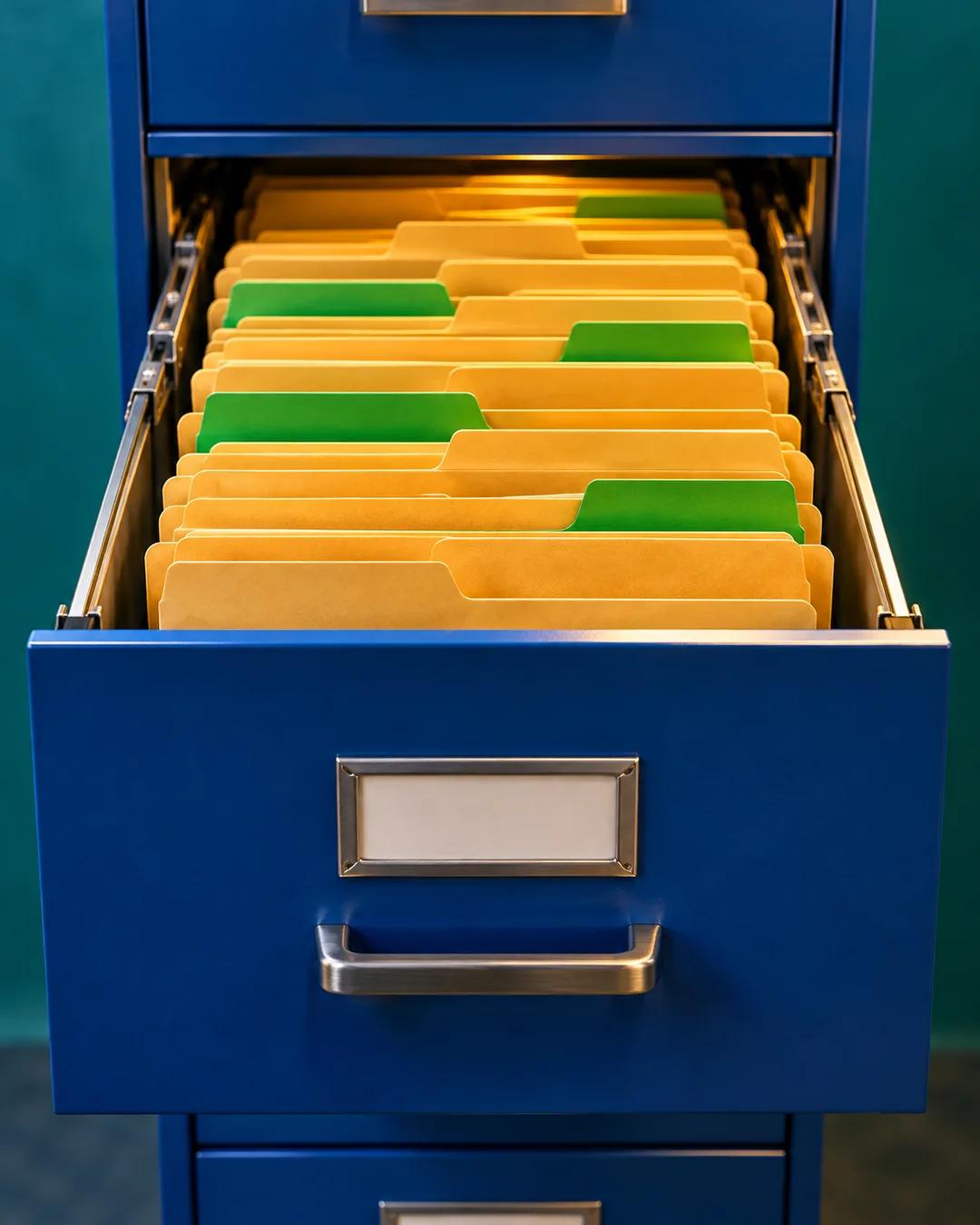
When the modern computer was being designed, its makers borrowed from the analog world: file cabinets holding folders full of documents. That idea moved onto computers, and people have lived with the file and folder paradigm for more than 50 years.
Why models know them
Ironically, it is making a return. Models were trained on information about humans interacting with computers through the file system, so a model already understands the concepts, how to navigate the file system, and which tools are available to it.
Agent file systems
The idea of the file system as the agent's environment has emerged especially in the last year, as agents have taken off. Founders are working on how to shape it so it is as native and easy to use for agents as possible. It is a great starting point, because the model already knows what it is doing on a laptop's hard drive.
Where did the folder metaphor come from?
Xerox's Star workstation in 1981 presented documents and folders as icons on a desktop. Apple's Lisa and Macintosh brought the idea to a wider audience in the following years. Hierarchical file systems themselves are older: the Multics system of the 1960s organized files into a tree of directories, and Unix inherited that design.
Why do language models handle shell commands well?
Shell commands are plain text, which fits how language models read and write. Training data includes huge amounts of documentation, tutorials, and terminal sessions showing them in use. Unix commands are small and designed to be chained, such as piping the output of one into another. That composability lets a model build a complex operation from simple steps it already knows.
How does Unix treat everything as a file?
Unix represents devices, terminals, and communication channels as entries in the same directory tree. A program reads and writes them with the same calls it uses for ordinary files. That uniform interface means one small set of operations covers a very wide range of tasks. Plan 9, a later system from Bell Labs, pushed the idea further.