Korva is a scroll of the internet’s best ideas.
AI companies were created to soak up capital

Too much money, too few companies
The supply of great companies is roughly fixed, probably because the supply of great founders is. As more capital flowed into venture, the same number of companies had to take in more money. Only so much can be crammed into a B2B software business, and those companies were getting cheaper to start. The money ended up going to landlords and compensation packages, and the amount companies raised became unrelated to the amount they needed.
Capital like water
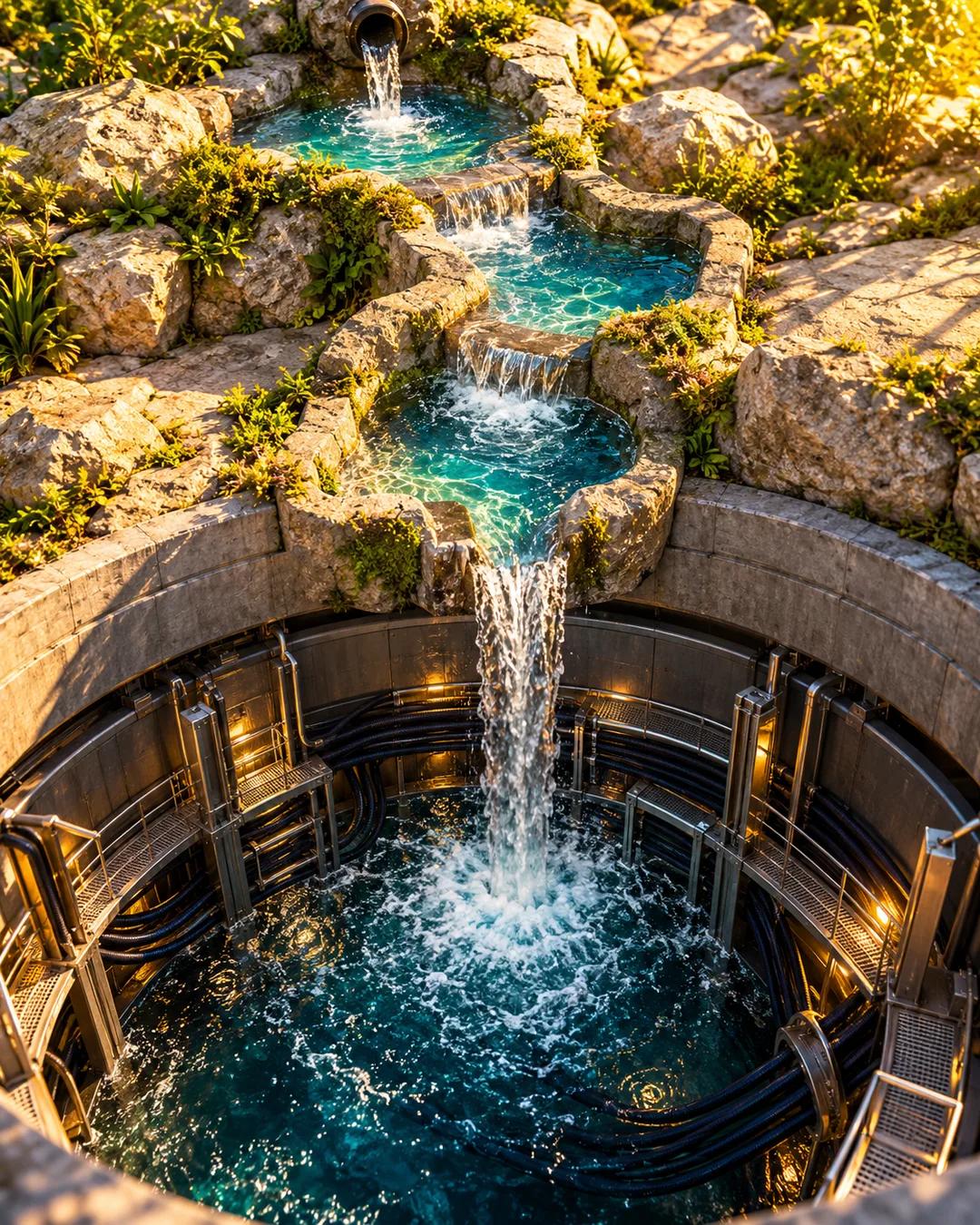
Capital hates getting blocked. It is like water, and it looks for the most efficient path. Businesses and assets are sponges for capital, and with negative interest rates, money that has nowhere to go creates somewhere to go.
AI as the outlet
AI, the ultimate high capex project, and the hardware that goes with it arrived as a kind of deus ex machina. Seen from the capital side, those companies were created downstream of capital that was desperately looking for a place to land.
How does cheap money push investors toward risk?
When central banks hold interest rates very low, safe assets like government bonds pay little. Investors then look for higher returns in riskier assets. The European Central Bank set a negative deposit rate in June 2014, and the Bank of Japan followed in 2016. Over the same decade, venture funding grew sharply year after year.
Has capital flooded into one industry before?
The British railway mania of the 1840s is a well-known example. Investors poured money into railway companies, and Parliament approved a large number of new lines, with authorizations peaking around 1846. Many of the lines were built, while share prices fell sharply once the boom ended. The railways left Britain with much of its national rail network.
More from Invest Like the Best with Patrick O'Shaughnessy