Korva is a scroll of the internet’s best ideas.
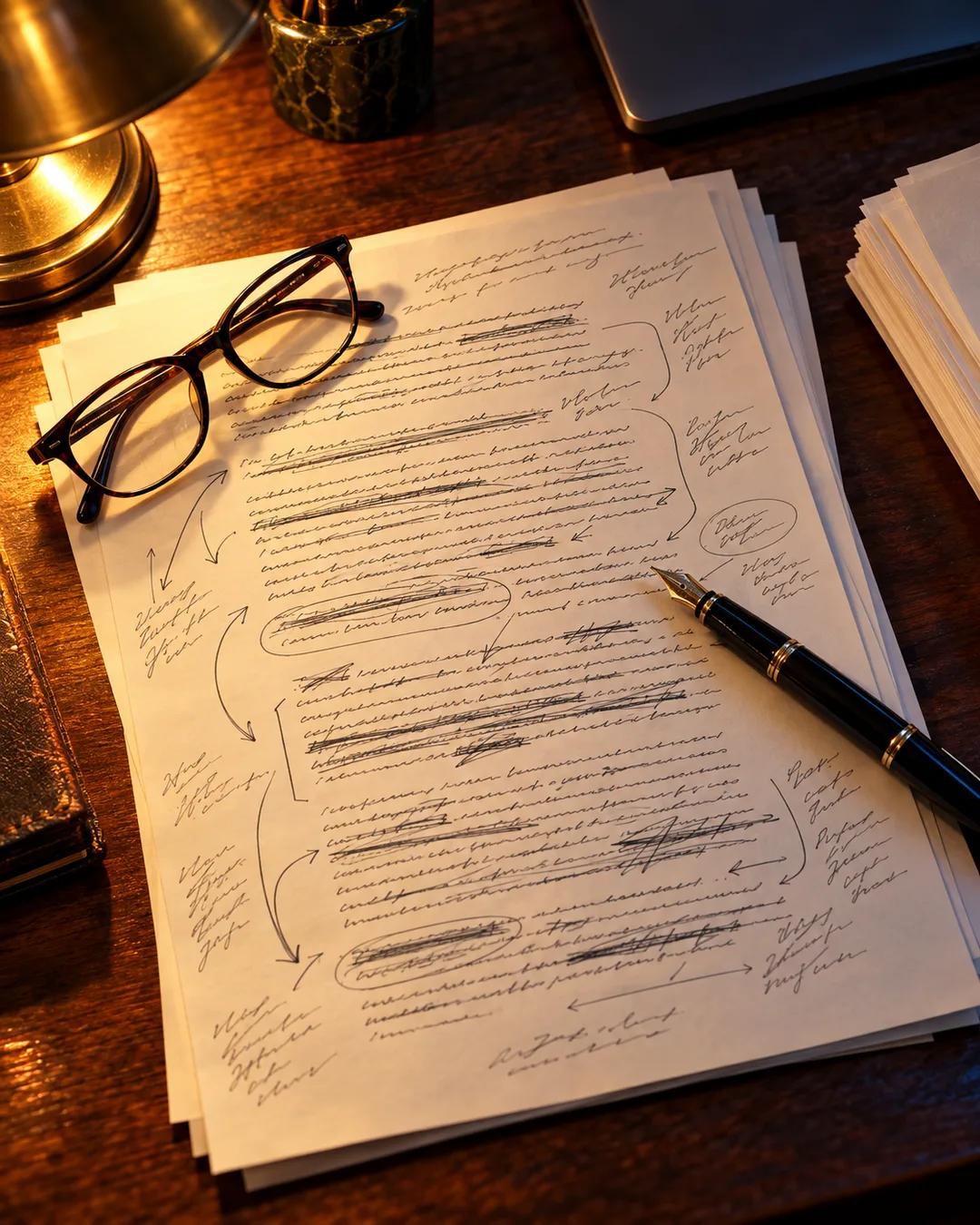
AI won't replace lawyers

Predictions that AI will make big law obsolete are no more valid than the old prediction that online research would eliminate legal research. AI can produce a good first draft of a brief, but it cannot produce a brief as good as a human's today, and maybe never will. The legal industry will still go through seismic changes, and for the most rote tasks a machine may do 90 percent of the work.
A lawyer in 2025 who does not use AI is underserving clients, because it gets work done more efficiently and sometimes better. Young lawyers need to learn to iterate with models on every task. Picture an interview transcript dropped into a model: within a minute or two it comes back as a near perfect transcription and a summary. From there the questions can go as deep as the prompt allows. What is the speaker's personality structure? Did he make factual errors? Which themes are most prominent, and how do they compare with other interviews? A human can't do that.
Why didn't online research end legal research?
Lexis and Westlaw moved case law into searchable databases in the 1970s, which made finding cases far faster. Faster search did not replace the work of deciding which cases control, which conflict, and how a particular judge is likely to read them. The volume of published decisions and statutes kept growing, so lawyers searched more, not less. West Publishing, the maker of Westlaw, was bought by Thomson in 1996.
Why do AI drafts cite cases that don't exist?
Language models generate the text that is most likely to come next rather than looking facts up in a record. A citation has a predictable shape, with a name, a volume number, and a court, so a model can produce one that looks right and points to nothing. Courts in several U.S. cases since 2023 have sanctioned lawyers whose filings cited cases that AI tools had fabricated. A 2024 Stanford study of legal research tools found that even products built for lawyers returned false information in a noticeable share of answers.
Why would machines handle rote legal tasks first?
Tasks like reviewing documents for relevance follow clear criteria applied to huge volumes, which suits software. In a 2012 ruling in Da Silva Moore v. Publicis Groupe, a federal magistrate judge in New York approved computer-assisted review of documents. The method ranks documents by likelihood of relevance after lawyers train it on samples. Since then, courts across the country have accepted such technology-assisted review.
More from Original Jurisdiction