Korva is a scroll of the internet’s best ideas.
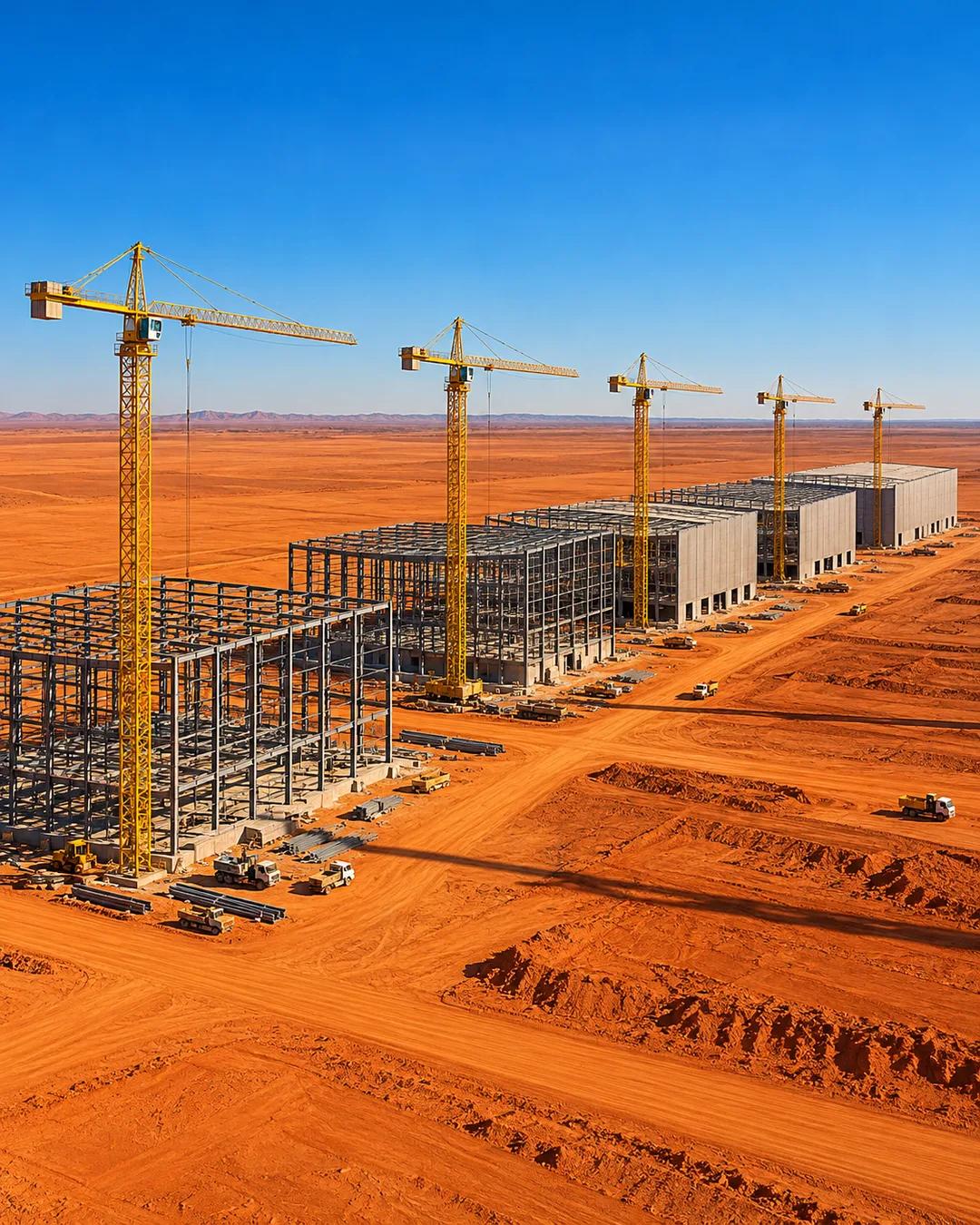
All five leading-edge makers build here

The timing of the act
CHIPS passed in August 2022, when mobile was still the biggest driver of leading-edge demand and Apple was the big gorilla in the room. That fall, ChatGPT had its viral moment, and the industry started shifting toward years of structural change with AI driving demand. Chips were going to be in huge demand wherever they were made, which left one open question: where the manufacturing would happen.
Five makers build here
Some pull toward geographic diversification already existed, and it could have produced some onshoring or supply chain diversification. The CHIPS incentives took it much further. Micron, TSMC, Intel, Samsung, and SK Hynix all have projects here, and the shape of global supply has been affected by the act.
Demand locks it in
Demand then helped lock the position in. When the CHIPS office director left in early 2025, many of these projects still carried real risks, and strong demand has a way of making risks disappear or at least shrink. Overwhelming demand for DRAM now drives Micron's production, which raises the stakes for its projects in New York and Idaho.
How did ChatGPT change chip demand?
ChatGPT launched on November 30, 2022. It showed that large language models could draw mass usage, and companies rushed to build data centers to train and run them. Those models run on AI accelerators, which are among the most advanced chips made. Demand for those chips, and for the memory that feeds them, climbed as a result.
Why does DRAM matter for AI?
AI accelerators are paired with high-bandwidth memory, which is built by stacking DRAM chips on top of each other. Stacking raises the rate at which data moves between the memory and the processor. Three companies, Samsung, SK Hynix, and Micron, make the large majority of the world's DRAM.
Why are there so few leading-edge makers?
Each new generation of manufacturing costs more to develop and to build than the last. A leading-edge fab costs tens of billions of dollars, and the process technology takes years of research. Many companies dropped out along the way. GlobalFoundries stopped its 7-nanometer development in 2018.
More from The Lawfare Podcast