Korva is a scroll of the internet’s best ideas.
All-nighters cost 40% of learning

Sleep prepares the brain
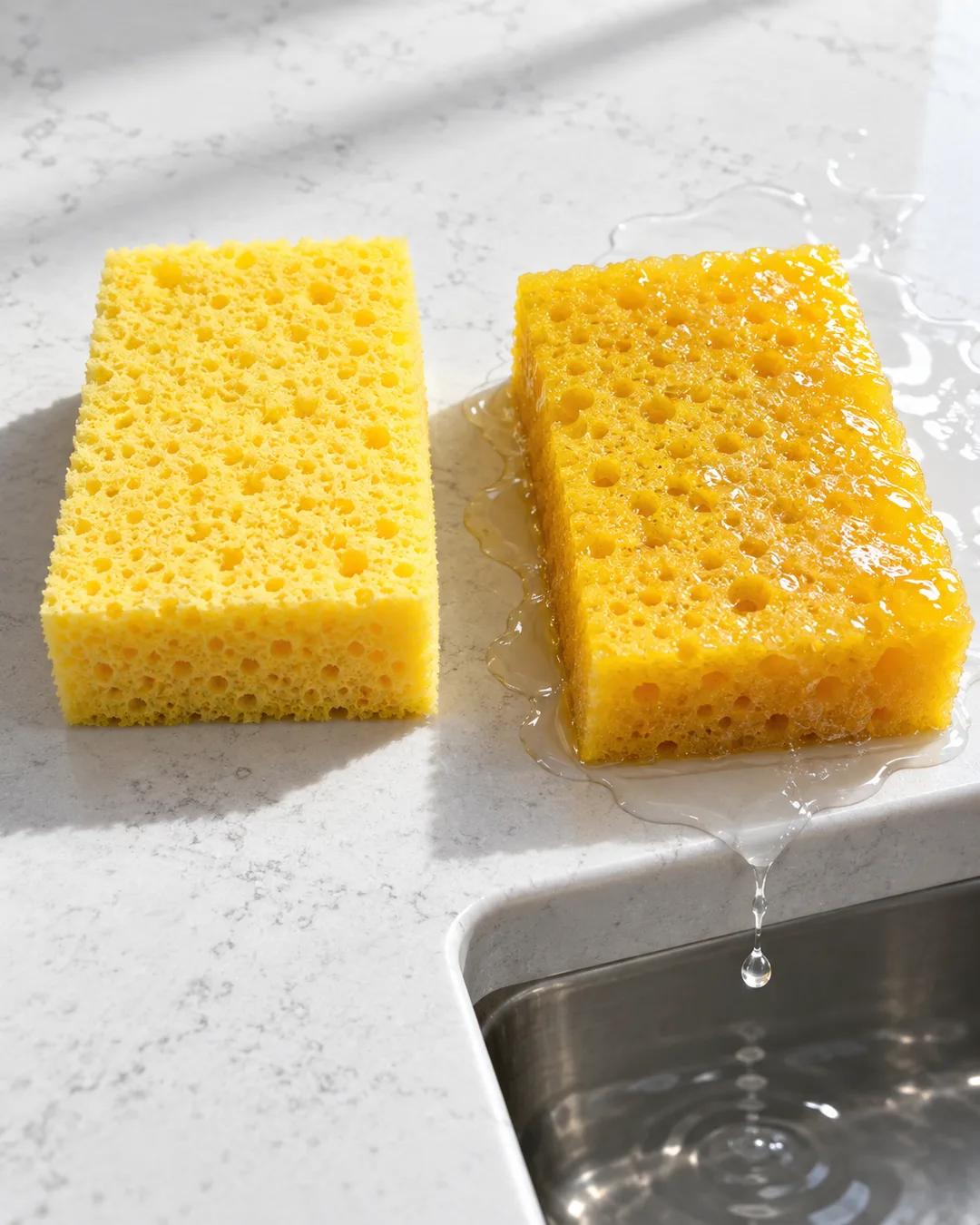
Sleep after learning saves new memories, and sleep before learning prepares the brain to take them in. A rested brain is like a dry sponge, ready to soak up new information. Without sleep, the memory circuits become waterlogged and cannot absorb anything new.
The scanner study
In the study, healthy adults were assigned to either a full eight hours of sleep or a night awake in the laboratory under full supervision, with no naps and no caffeine. The next day, each participant was placed inside an MRI scanner and asked to learn a list of new facts while snapshots of brain activity were taken. Then they were tested.
The hippocampus, which works like the informational inbox of the brain, showed lots of healthy learning-related activity in the sleepers. In the sleep-deprived group, no significant signal could be found at all. It looked as though sleep deprivation had shut down the memory inbox, and any incoming files were being bounced.
How does the hippocampus store new memories?
The hippocampus binds together the pieces of an experience, such as place, people, and sequence, into a single memory trace. Its role became clear through the patient Henry Molaison, known as H.M., whose hippocampus was surgically removed in 1953 to treat epilepsy. Afterward he could recall old events but could not form new lasting memories of facts and episodes. Researchers at McGill and elsewhere studied him for decades.
How does an MRI scanner show brain activity?
Functional MRI tracks changes in blood oxygen. Active neurons use more oxygen, and nearby blood vessels respond by delivering oxygen-rich blood. The scanner picks up the magnetic difference between oxygenated and deoxygenated blood. Researchers read this signal as an indirect measure of which regions are working.
Is sleep better than staying awake for memory?
Two Cornell psychologists, John Jenkins and Karl Dallenbach, tested this in 1924. Students learned lists of nonsense syllables and were tested later, after either a night of sleep or the same time awake during the day. The sleepers recalled more. The study is often cited as an early demonstration that sleep protects new memories.
More from Talks at Google