Korva is a scroll of the internet’s best ideas.
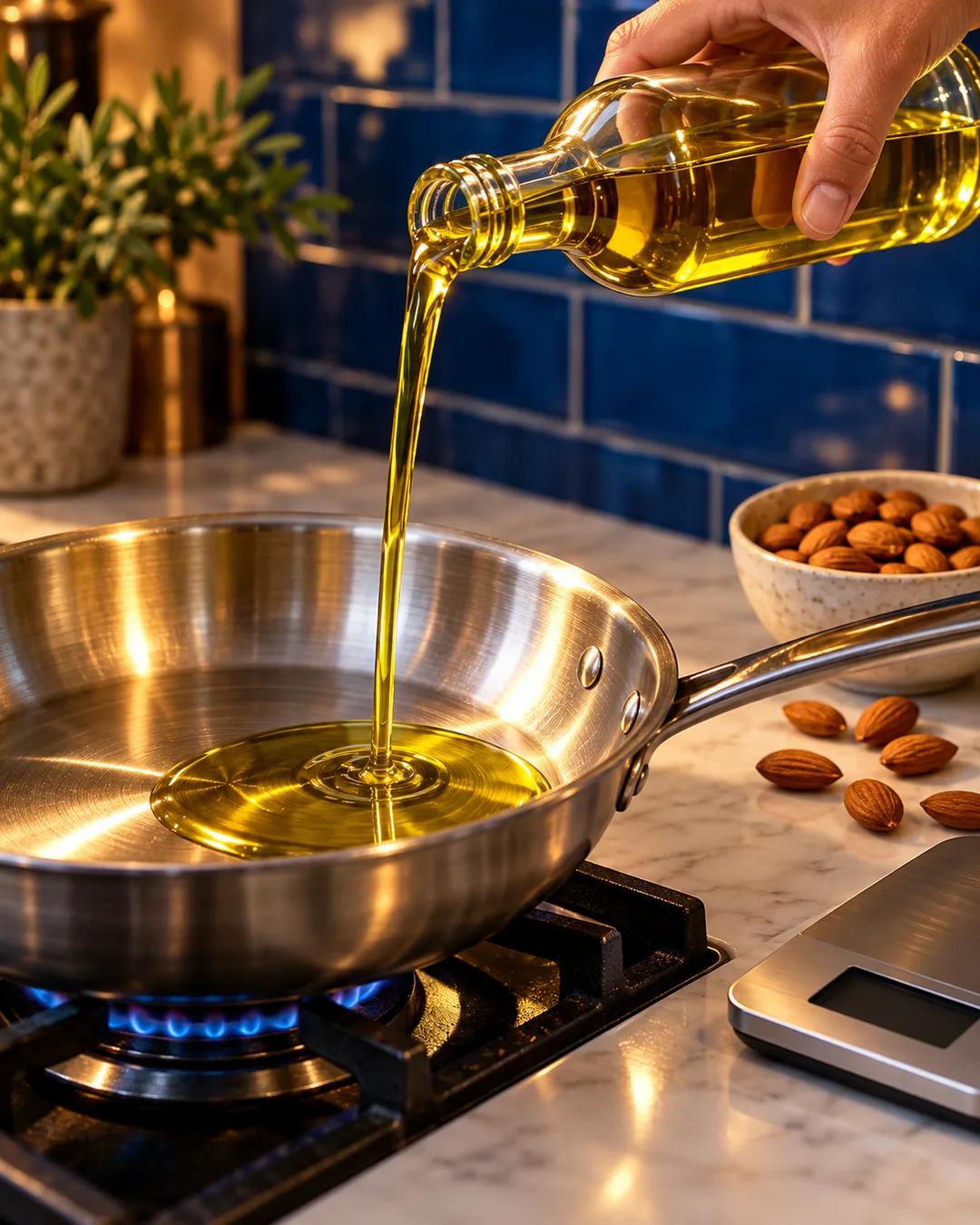
Almonds and olive oil add up

A handful of almonds, bites off a kid's plate, and the olive oil measured while cooking all add up easily. The gap is perception against reality, and the women who kept weight off became far more aware of it.
One client wasn't tracking her olive oil. When she started, she found she was eating 300 calories more a day, which meant she wasn't in a deficit during her fat loss phase and wasn't losing any weight. Tracking those small things honestly, even when it feels tedious, showed her what her days actually looked like.
Why do people underestimate how much they eat?
In a 1992 study in the New England Journal of Medicine, Steven Lichtman and colleagues followed people who described themselves as dieting without success. Their reported food intake was about 47 percent lower than what measurements showed they consumed, and they overreported their physical activity by about 51 percent. Actual energy use was measured with doubly labeled water, a method that does not rely on self-report.
Why is oil so dense in calories?
Fat provides about nine calories per gram, compared with about four for protein and carbohydrates, a set of factors developed by chemist Wilbur Atwater in the late 1800s. Oils are almost pure fat with little water, so they pack close to nine calories into each gram. A tablespoon of olive oil holds about 120 calories, according to USDA nutrient data.