Korva is a scroll of the internet’s best ideas.

Always time for what's important
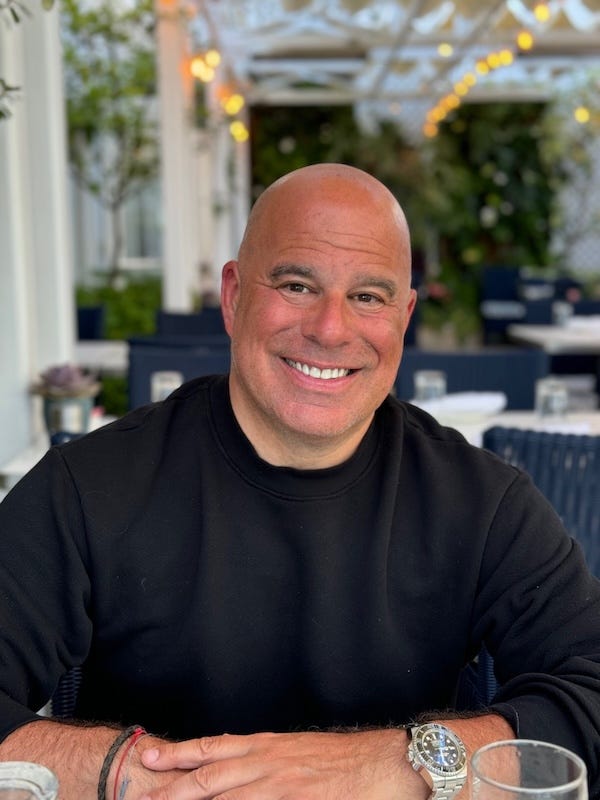
The lawyer co-chairs a trials practice and sits on his firm's executive committee. He spent a year putting the book first and cutting back on extracurricular events. Writing happened on trains and in the gaps between conference calls, all of it typed on a phone.
The rest of his days are arranged the same way. He meditates twice a day, watches little TV, and works to be efficient, and he is a fast writer. Writing turned out to be as immersive and satisfying as practicing law.
How do writers finish books around full-time jobs?
Anthony Trollope held a senior post at the British Post Office while publishing 47 novels. He wrote on trains and ships, and in his autobiography he described having a portable writing desk made so he could work on the move. He held himself to a quota of 250 words every quarter hour. Scott Turow drafted Presumed Innocent in longhand on his commuter train while working as a federal prosecutor in Chicago.
Why does work expand to fill the time?
Parkinson's law comes from a 1955 essay in The Economist by C. Northcote Parkinson, a British historian. He opened with the line that work expands so as to fill the time available for its completion. He drew the idea from the British civil service, where staff numbers grew even as the workload did not. The line became known as Parkinson's law.