Korva is a scroll of the internet’s best ideas.
America can't live on its own market

Supply Chain Worries
The pandemic showed how alarming the dependence on China is for all kinds of goods, and anyone can see the vulnerabilities in supply chains. Still, America can't make everything it needs at home or get all its raw materials there.
Farmers Need Exports
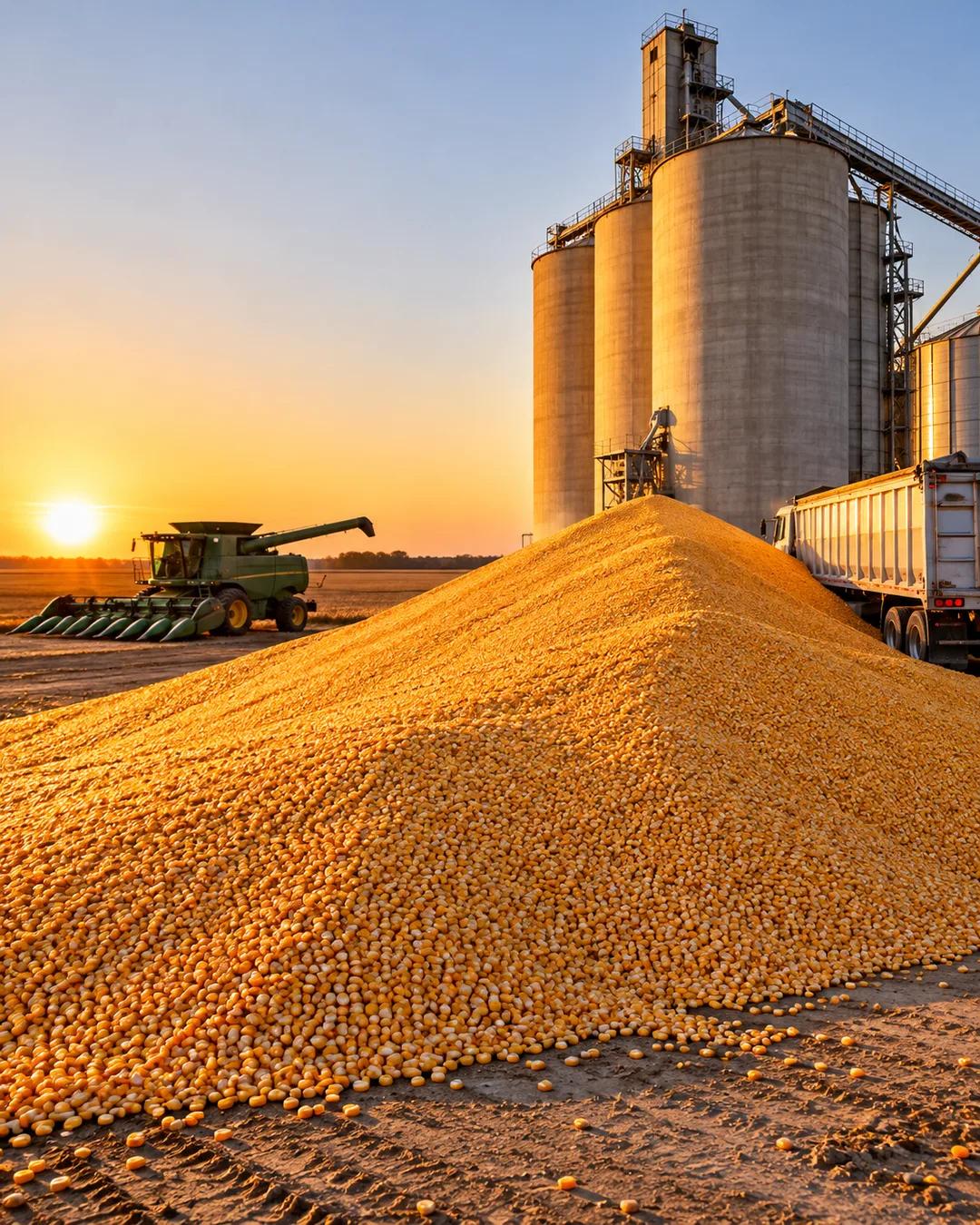
Its producers also need more than the American market. The most free-market lobby in the United States has traditionally been the agricultural lobby, because American farmers can feed practically the world. Reduced to feeding only the American market, they can't make money, since prices are so low.
Tech Needs Scale
Economies of scale work the same way for AI and tech companies. The internal American market alone isn't enough to generate the revenue and growth they need even to stay technologically equal to China, let alone be ahead and super profitable.
Nobody can make people buy their goods at the point of a gun, so the trading relationship has to work for both sides, and both sides have to agree to the trade.
Why is American farming so tied to exports?
American farms have become far more productive over time, while domestic food demand grows only about as fast as the population. The US population has grown by less than one percent a year in recent decades, according to the Census Bureau. The surplus has to go somewhere, and the US Department of Agriculture reports that a large share of American wheat and soybeans is sold abroad. That leaves farm prices tied to demand in other countries.
Why do tech companies need giant markets?
Training a frontier AI model costs a very large fixed sum, while serving one more customer costs comparatively little. Economists call this a low marginal cost, and it means profit per customer rises as the customer base grows. The same logic applies to chip design, where factory tooling and research are paid for once and spread across every chip sold. That is why firms with the biggest markets can invest the most in the next generation.
How did America come to depend on Chinese goods?
China joined the World Trade Organization in December 2001, which locked in lower tariffs on its exports to the United States. American imports from China then rose sharply over the following decade. Economists David Autor, David Dorn, and Gordon Hanson called the resulting jump in competition the China shock in a 2013 study. They estimated it eliminated about a million American manufacturing jobs between 1999 and 2011.
More from Invest Like the Best with Patrick O'Shaughnessy