Korva is a scroll of the internet’s best ideas.
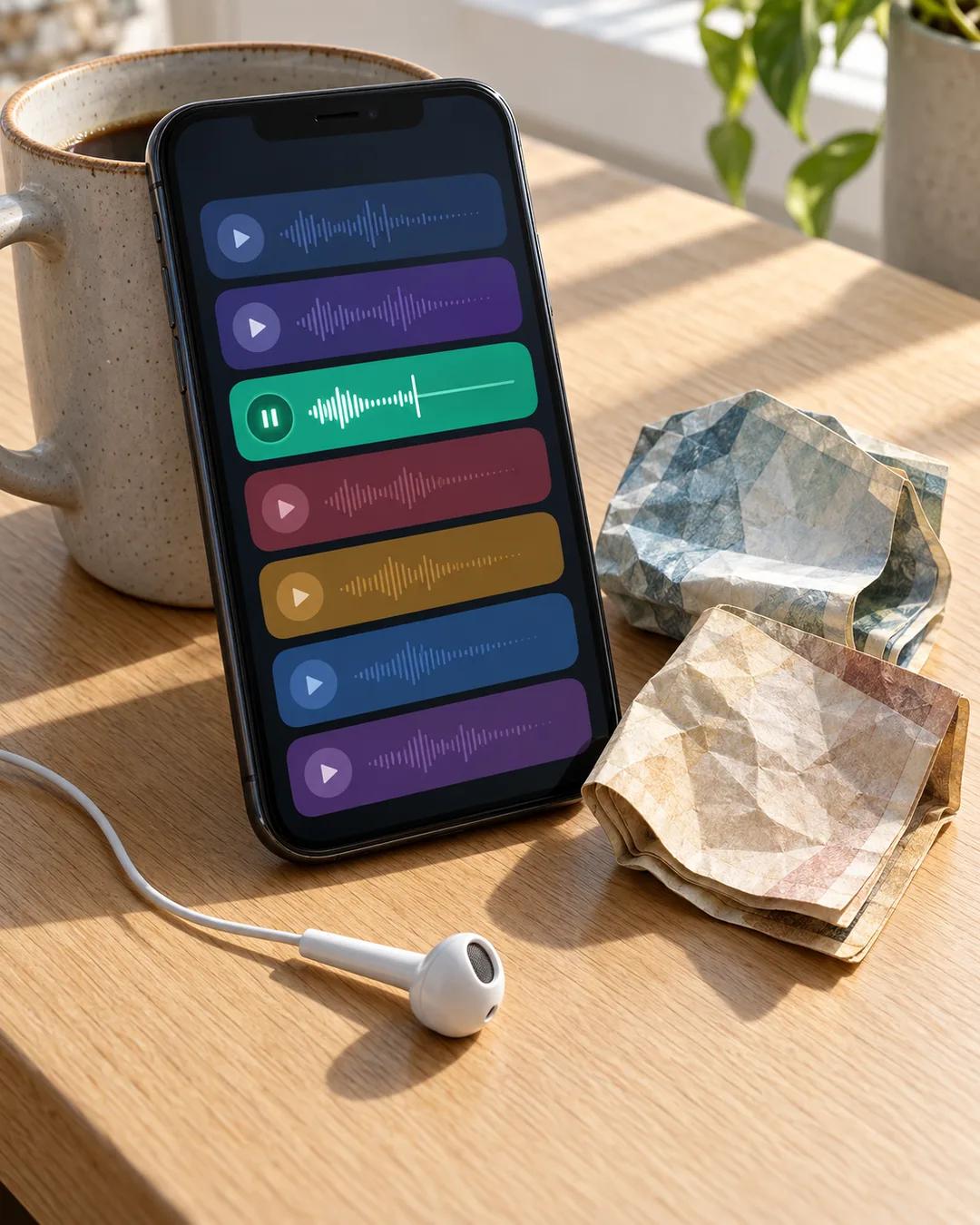
An $11 app, 1.1 million views

Building the app
Jason Calacanis was looking at his podcasting app and wanted something it didn't do: listen by subject instead of by show. Perplexity Computer served as the harness, and Grok's latest model, version 4.5, built the app.
The instructions were to go through the top 25 podcasts, now 75, and find every segment, since podcasters publish timestamps now. The segments were then organized by subject rather than by show. Hit play on the deep link stream and it runs through everything about China, then moves to the next segment, and the next.
The AI named the app Pod Me. It cost $11, and the tweet showing it off passed 1.1 million views. People asked whether they could use it, but it was made for its creator's own use, and he doesn't want to support it as a product.
The next feature
The next feature he wants is an export to audio. Picture a new model like GLM 5.2 being released and twenty podcasts commenting on it: the export would produce one MP3 that plays each take, with a next-up announcement between them. A condensed listen like that would also surface shows a listener had never heard.
How can an AI build an app for $11?
AI coding models write software from plain-language instructions, and their makers bill by the token, a chunk of text roughly three-quarters of a word long. A small app needs only a modest number of tokens to read the instructions and write the code. Prices for these models are typically quoted in dollars per million tokens, so a project of this size can cost only a few dollars. A harness, the layer around the model, gives it tools to run code and fix its own errors.
How do podcasts publish timestamps for segments?
Podcast episodes can carry chapter markers, which are labeled timestamps stored in the audio file or in a separate file that the show's feed points to. The Podcasting 2.0 project, a community effort that started around 2020, added a chapters format in JSON that apps can read directly. YouTube builds chapters from timestamps listed in a video's description. A program that reads those markers can cut an episode into segments without listening to it.
Why build software for an audience of one?
Writer Robin Sloan described the idea in a 2020 essay, comparing an app made for a small circle of people to a home-cooked meal. He had built a small messaging app for his family and argued that software does not have to serve a market to be worth making. Cheap AI coding tools have lowered the cost of such projects further. His essay is titled An App Can Be a Home-Cooked Meal.
More from This Week in Startups